
Reviewed · ROAD TO HANA TOURS
Ultimate Self-Driving Audio Tour of Road to Hana, Maui
Road to Hana gets easier with the right audio cues. This Ultimate Self-Driving Audio Tour turns the drive into a paced story with hands-free GPS-triggered narration, plus an offline map that helps you keep moving. I also like that the price is per car up to 4, so it feels fair for a family or small group, not a per-person ticket. The main drawback is that the audio timing depends on starting correctly and sticking close to the route, since it is not live, turn-by-turn navigation.
If you want a Road to Hana plan that you can stretch over one long day or split across multiple days, this one fits. Just be ready for the real Hana logistics too, like needing reservations for the black sand beach at Wai’anapanapa and bringing your own entrance fees for paid stops.
Key things to know before you go
- Offline GPS map and audio triggers: download on strong Wi-Fi first, then rely on the offline experience on the road.
- Per-car pricing (up to 4): you are paying for the vehicle, not stacking cost per passenger.
- Start anytime within a big window: the activity runs 8:00 AM to 8:00 PM daily.
- Flexible pacing: pause for pictures, snacks, or short walks, then resume when you are ready.
- It is self-driving, not turn-by-turn: you follow the route and audio cues, but you still own the driving decisions.
- Some stops need extra planning: you will still need reservations or entry fees for certain parks.
Price and what you actually get for your $16.99
At $16.99 per group (up to 4), this tour is built for car-based road trips. That matters on Maui, because the Road to Hana is already expensive in time, gas, and parking. Compared to full-day group bus tours, you are buying freedom plus guidance, not a seat in a van.
You also get lifetime access, with no expiry. That is a big deal if you are likely to return to Hana later, or if you want to re-listen at a slower pace once you know the road better. One more value point: you are not paying extra each time you want to use it on a new trip.
The tradeoff is that you are not getting a guide physically riding with you. When you hit a detour, a closure, or a wrong turn, you will need to re-orient yourself using the route and app behavior, not someone hopping out to help you. (A clear example of this comes up in support and setup guidance: audio sync is tied to the GPS-triggered flow.)
More Maui tours, island days, and ocean experiences



Offline audio GPS: the tech that makes this road trip work
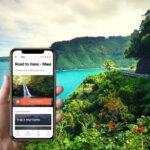
This tour runs through Action’s Tour Guide App. After booking, you get an email and text with setup instructions and a password. The key step is downloading the tour while you have strong Wi-Fi or cellular, because the road is not dependable for data.
Once downloaded, the app is designed to work without cellular or Wi-Fi. Your phone listens to your location and plays the stories at the right points, so you are not constantly tapping the screen.
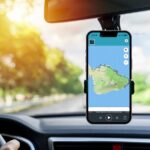
For the best drive experience, you connect your phone to your car stereo using Bluetooth, USB, or AUX. If you use Apple CarPlay, playback is compatible. If you like audio while walking, headphones can help too.
One practical caution: this is not built like live turn-by-turn directions. If you make a detour or go off-route, the audio timing can get out of sync, then later correct once you rejoin. The solution is simple, but you have to follow it: start from the set starting point, stay close to the route, and keep moving within the route speed guidance.
The Road to Hana reality check: closures and permits
The drive is famous for a reason, but it also comes with current-road variables. The tour notes a closure in Maui County for a section from Alelele Bridge to Lelekea Bridge near K’pahulu. Before you roll, check what is open, then plan your turnaround timing.
Also, not everything included is free. The tour flags that you will need:
- Wai’anapanapa State Park permit or reservations for the black sand beach
- Entrance fees for Garden of Eden
Other stops may be free, but for the ones with tickets, you should assume you will pay at the site unless you have already booked.
In other words, use this tour for guidance and story, but treat it like a planning tool, not a substitute for park rules.
From Pa’ia to Ho’okipa: starting where the culture feels weird and real
Most Road to Hana trips start with Pa’ia energy, and this tour begins there. Pa’ia is described as a quirky mix of creatives and characters, and the hint is right in your face when you see the sign about not feeding the hippies. You get the sense you are stepping into Maui’s independent side before the road turns wild.
Then you head toward Ho’okipa Beach Park, the first major coastal stop on the route. It is a state park with picnic areas and pavilions, plus it is a known surfing spot. This is a good moment to park, stretch, and let the tour’s audio rhythm set the pace.
The Road to Hana itself starts just after you pass Mile Marker Zero. The audio includes the origin story too, including how the path began as a footpath in the 1400s. That kind of context helps you see more than scenery, because you start noticing the road as history, not just asphalt.
Twin Falls and Waikamoi Ridge: where the views turn dramatic fast

Your next audio hits Twin Falls, and it is a perfect example of why stop-based narration works. Twin Falls are close enough for a quick pull-off, but they deliver big photo energy. If you like short breaks during drives, this is one of the best.
From there, you have the option of Waikamoi Ridge Trail. A ridge trail is not the same as a roadside waterfall view. You are trading car time for foot time, and the reward is typically big scenery.
Practical tip: when you see a trail option, decide early whether you are doing it. If you wait until the last second, you can lose time hunting parking or getting out the right shoes. And on Hana, “a little delay” adds up.
More Maui tours, island days, and ocean experiences


Garden of Eden Arboretum and Kaumahina: plants, stories, and a fee you should expect
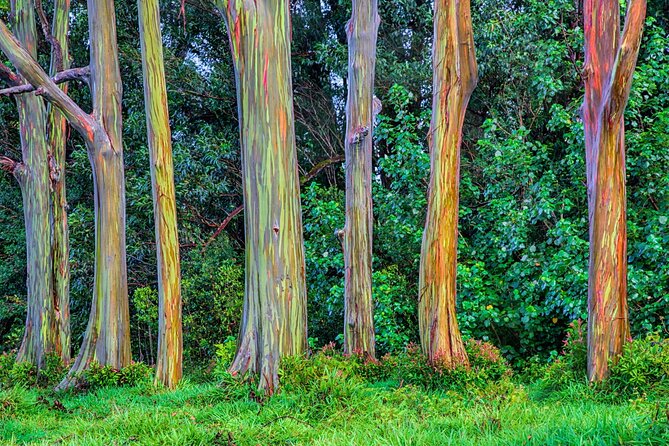
The Garden of Eden Arboretum is one of those stops that sounds like a throwaway until the audio frames it properly. You hear about the sheer variety, with more than 700 plant species, and there is a standout note about donated plants tied to former Beatle George Harrison.
The important part for your planning: this stop has an entry fee. If you show up assuming everything is included, you will feel the delay when you reach the pay point.
After the arboretum, the tour points you toward Kaumahina State Park, a coastal stretch that works well for a picnic or a quick photo stop. This is a good “reset stop” on Hana. By now, the road has your attention, and a calmer coastline view lets you regroup.
Honomanu Bay and Nua’ailua Viewpoint: black pebbles and rugged coastline
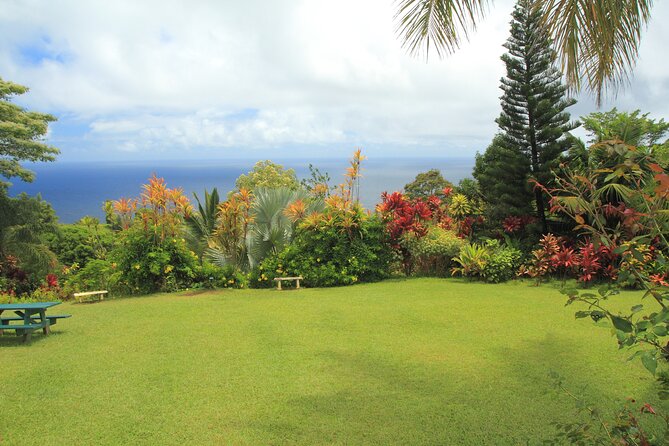
The route includes Honomanu Bay, noted as a black pebble beach. That’s the kind of scenery that feels extra special because it is not the usual postcard sand. If you want quiet, this is presented as a place where you can find some serenity.
Then you reach Nua’ailua Bay and the Nua’ailua Viewpoint angle. The audio emphasizes the rugged, rocky parts of Maui’s coastline. This is a classic Hana moment: the road keeps curving, and the ocean keeps looking different.
Photo tip: if you like pictures, bring a plan for quick stops. Use the narration’s “arrive and look” moments, rather than walking around trying to find a perfect shot for 20 minutes. Hana time is precious.
Ke’anae Arboretum, Ching’s Pond, and Wailua Valley: nature with caution built in
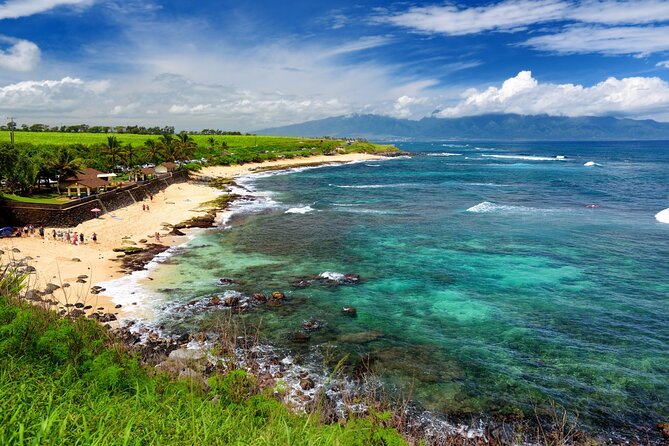
Next, the tour moves to Ke’anae Arboretum, which is described as changing over time, from a peninsula of jagged black rock to one of the greenest places in the area. Even if you do not walk far, it is the kind of spot where you can appreciate how the island shapes itself.
Then comes Ching’s Pond, a popular cliff-jumping spot. The tour does not hide the fact that people jump, but it also calls out caution. If you have kids, or you are the type who worries about safety rules, this is one to treat as a viewpoint, not an activity.
After that, Wailua Valley Lookout sets you up for remote jungle scenery. This is where the audio feels most useful, because the drive can be visually overwhelming. A lookout gives you a focal point, and the narration helps you understand what you are seeing.
The Hana waterfall stretch, mongooses, and Nahiku: the road gets playful
The tour describes a trio of waterfalls that merge into one tremendous waterfall during the wet season. That is a key planning idea. If your trip is in a drier stretch, the visuals might not look identical to wet-season photos you have seen.
Then Pua’a Ka’a State Park appears, with an unusual highlight: mongooses. The audio includes how they ended up on the island and what that means for native wildlife today. This is not just cute animal trivia. It is a reminder that Hana is not a theme park, it is an ecosystem with consequences.
Next is Nahiku Viewpoint, with strong ocean views, plus it is near George Harrison’s former home. If you like music history, this is a cool crossover moment. If you just want views, you will still enjoy the perspective.
The tour also schedules the Nahiku Marketplace for snacks or a souvenir. For many road trips, that is the difference between “we winged it” and “we ate well and kept going.”
Kahanu Garden to Wai’anapanapa: heiau, black sand, and a reservation check
Kahanu Garden is described as more than plants, with history built in. It includes an ancient Hawaiian temple called a heiau. If you tend to rush garden stops, the audio framing here is worth slowing down for.
Then you reach Wai’anapanapa State Park, home to Hawaii’s famous black sand beach. This is one of the big-ticket visuals on the route, and the audio flags it as a volcanic beach moment you should not miss.
But you also need to plan ahead: reservations are required for Wai’anapanapa. The tour also notes that permits or reservations are not included in the tour price. If you want to guarantee access, handle the reservation piece early so the day stays fun, not stressful.
Hana Bay, Koki Beach, and Hamoa: beaches that look like they come from different planets
After the black sand stop, the tour moves to Hana Bay, described as lively with BBQs, kayaks, and clear water. That is a good combination of activity and relaxation, and it works well as a “mid-to-late day” beach moment.
Then comes Koki Beach, a red sand beach. Red sand is one of those rare natural details that makes Hana feel extra. It is also a reminder that your beach stops will vary wildly in look and vibe.
Finally, Hamoa Beach is included with a specific note: Oprah owns around 200 acres of land. The narration gives that fact context, but the real payoff is the beach view and the chance to take a longer break.
If you want to reduce stress, plan two longer stops for the beaches and keep the rest quick. That balance keeps you from feeling like you spent the whole day just parking.
Waioka Pond (Venus Pool), Wailua Falls, and Haleakala: the high points that feel earned
The tour includes a hike to Waioka Pond, also called Venus Pool. It is described as secluded and picture-perfect, with a note that it is a spot for amateur cliff-jumping. Again, the activity warning matters. Even if you are not jumping, you will probably see it nearby, so approach with caution.
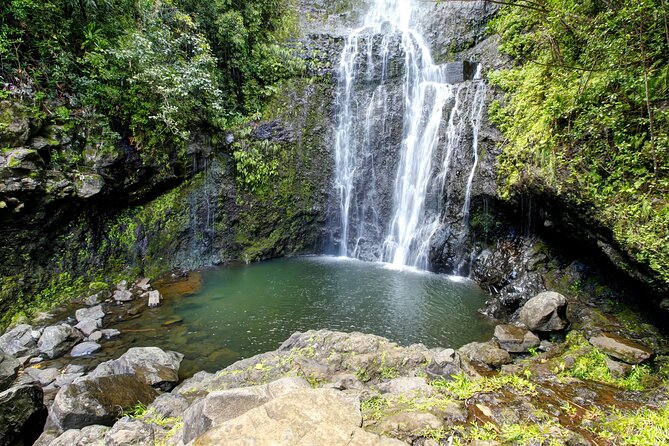
Then you hit Wailua Falls, described as about 200 feet tall. That is the kind of waterfall size that makes you stop without arguing. A waterfall break can also serve as a mental reset if the day has been nonstop.
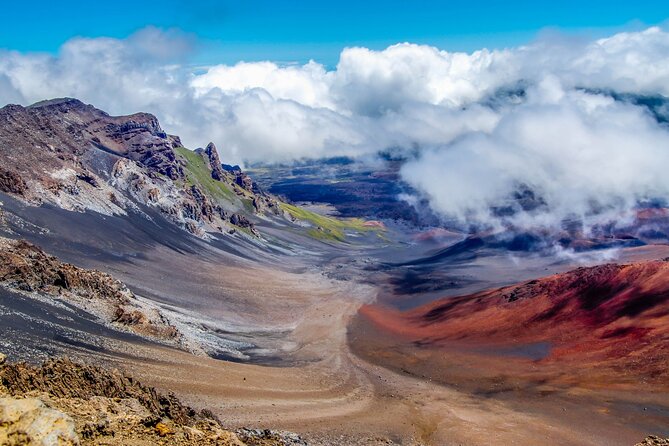
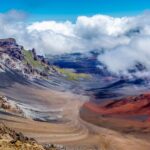
The tour then pivots toward Haleakala National Park, describing the top of a massive volcano and noting that the peak rises about 10,000 feet above sea level. This is a different kind of day trip element. You are moving from lush, coastal jungle scenes to high-elevation drama.
Wear layers if you go this high, even if Hana felt warm. Altitude can change everything.
Pipiwai Trail to Kipahulu Visitor Center: bamboo, waterfalls, and closure
The most active stop on the later part of the route is the Pipiwai Trail. The audio describes waterfalls, an incredible bamboo forest, and lush jungle scenery. Pipiwai is often the hike that makes people say, yes, it was worth driving.
If you do one trail on Hana besides the quick ones, this is the one that gets framed as a standout. Still, hike smart. If the trail is wet or crowded, you will enjoy it more if you move calmly instead of racing the clock.
The tour concludes at the Kipahulu Visitor Center, ending back near where you started. The narration wrapping up here makes it easier to leave the road behind without feeling like you missed the end of the story.
Hands-free driving done right: how to make the audio sync stay smooth
The biggest pro here is also the biggest responsibility: your phone must stay linked to the tour behavior.
Here are the things that keep the day easy:
- Start the tour in the correct direction and from the planned starting point, since audio triggers are GPS-based.
- Download the tour while you have strong Wi-Fi or cellular, so offline playback is ready before you leave signal range.
- If you make a wrong turn, rejoin the suggested route and give the app a moment to correct the sequence.
A small but useful detail from user experience patterns: people often want the car screen to show the map in CarPlay. The tour is compatible, but the app experience can still depend on your setup, so plan to glance at your phone occasionally before you commit to a longer stop.
Also, if you are doing a return drive, the tour guidance implies you may need the version for the drive back. If you use the same direction set, the stories can repeat even after you have passed that area.
Who this Road to Hana audio tour is best for
This tour is a strong fit if you want:
- A self-guided Road to Hana with planned stops, not an open-ended drive
- A car-based schedule where you can pause for photos and short walks without asking strangers for permission
- A way to cut cost versus full bus tours, especially if you have up to four people in one vehicle
- A story-and-history layer that helps you understand why places matter, not just what they look like
If you crave live turn-by-turn guidance, or you like to wander off-route frequently, you may feel boxed in. This tour rewards staying on the route and following the pacing.
Should you book this Road to Hana audio tour?
If you are doing the Road to Hana for the first time, I think you should book it. The offline GPS approach plus timed narration reduces the mental load, and the fact that it is per car makes it a budget-smart upgrade.
Book it with a clear plan for the two big planning items: reservations and fees. Wai’anapanapa black sand requires reservations, and Garden of Eden has an entry fee. If you handle those ahead of time, you can spend your energy on the drive and the stops where the audio is designed to make them click.
If your priority is live navigation that reroutes you turn-by-turn, this is not that style. But if your priority is a fun, story-led Hana day where you control the breaks, this is a very workable way to do it.
More Self-Guided Tours in Maui
More Tours in Maui






More Tour Reviews in Maui



Not for you? Here's more nearby things to do in Maui we have reviewed


Road to Hana Tours, compared.
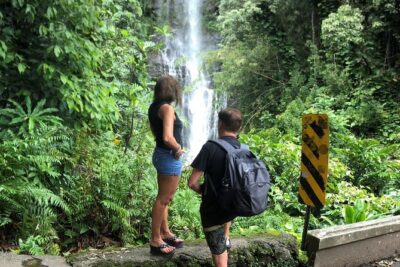 ★ 5.0Small-Group Road to Hana Adventure Tour with Pickup & LunchFrom $2092,637 reviews
 ★ 5.0Road to Hana Adventure Maui Tour with LunchFrom $2761,832 reviews
 ★ 5.0Famous Road to Hana Waterfalls and Lunch by Mercedes VanFrom $2491,129 reviews
 ★ 5.0VIP Private Road to Hana Tour with Pick UpFrom $6791,068 reviews
 ★ 4.5Small Group Road to Hāna Tour 6 to 8 passengersFrom $2501,012 reviews
 ★ 5.0Road to Hana Adventure with Farm to Table LunchFrom $259877 reviews
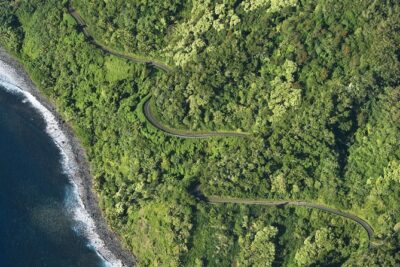 ★ 5.0Small-Group Road to Hana Luxury TourFrom $385863 reviews
 ★ 4.5Road to Hana: Full-Day Scenic Drive with Blacksand & WaterfallsFrom $209837 reviews
Browse the lists this tour appears in