

Reviewed · MAUI SCUBA DIVING TOURS
Maui: Intro to Scuba Diving from Shore – Lahaina
Turtles look easier when you are calm. This shore-based PADI intro to scuba in Lahaina mixes a quick pre-trip eLearning with close coaching, so first-timers can get comfortable fast and enjoy Maui’s reef life.
I especially like the small group size (max 4), because you get real feedback on gear and technique instead of feeling lost. I also like that the course starts with PADI eLearning (about 15 to 20 minutes), so you arrive knowing what to expect and what you will practice in the water.
One consideration: the underwater practice is focused and time-limited, so if you dream of long reef roaming, this will feel short. Also, you must complete the PADI Medical right away, since certain answers can delay or cancel your underwater session unless a doctor clears you.
Quick takeaways before you book

- Pre-arrival eLearning takes about 15 to 20 minutes and sets you up for the lesson.
- Shore-based start in Lahaina keeps things beginner-friendly and predictable.
- Core skills practice includes clearing your mask and recovering your regulator with an instructor right there.
- Small group of 4 max means more personal attention and quicker corrections.
- You can see turtles and reef fish, while following the rule to not touch marine life.
- Gear and PADI materials are included, so you only need swimwear and a little patience.
Shore-Entry in Lahaina: why this format helps first-timers

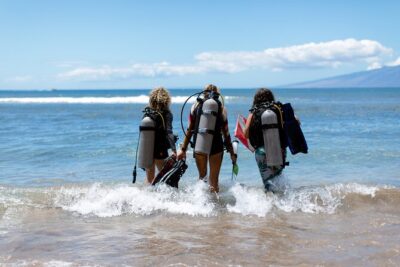
If you are new to scuba, the best part of this experience is not the reef. It is the training rhythm. You meet up with the operator team in Lahaina, then you get a short classroom-style session before you ever hit the water. That sequence matters because it turns nervous energy into something useful, like muscle memory for the skills you will actually do.
Shore-based setups tend to feel more manageable than open-water logistics, especially when you are trying to remember how to breathe comfortably through the regulator while also thinking about buoyancy and hand signals. Here, you focus on the fundamentals in a controlled progression: learn, practice, then continue on once you feel confident.
For me, the value is the close supervision by a PADI professional. When a lot is happening at once, you want one clear guide for what to do next. In this course, you get that coaching in a small group, not a crowded “good luck” situation.
You can also read our reviews of more tours and experiences in Lahaina.



The 3-hour flow: eLearning first, then skills, then reef time
The whole experience runs about 3 hours, and the pace is designed for beginners. Before you go, you get an eLearning login. You are expected to complete the reading and videos that take roughly 15 to 20 minutes.
On the day, the instructor greets you and reviews the eLearning with you. This is practical, not just paperwork. It helps you translate what you read into what it feels like underwater, like how breathing through the regulator works and how to handle the basics while moving in the water.
Then you head to the water location for hands-on practice. You start with core skills such as:
- Clearing your mask
- Recovering your regulator
- Practicing the basic safety guidelines you will use during the session
Once you demonstrate that you can handle those tasks comfortably, you and your instructor continue on for the fun part: exploring Maui’s coral reefs and looking for wildlife.
The timing is important here. The classroom portion is short, and the water portion is long enough to matter. You get enough practice that you leave with confidence, even if you are still figuring out how your body feels when it is calm and supported by the water.
Equipment, breathing, and the reality check of your first regulator

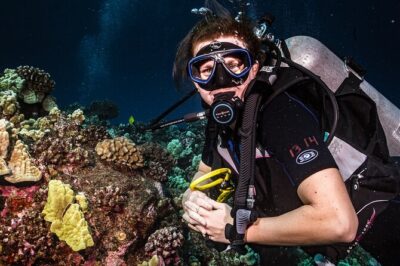
A lot of first-timers worry they will “mess it up.” That is normal. What I like about this program is that you do not just get a lecture about scuba equipment. You get personalized instruction on the equipment you use, including how to use it while swimming underwater.
The big moment for most beginners is breathing underwater. You learn what it feels like to breathe through the regulator, and you get guidance so it does not become a panic cycle. When breathing feels familiar, everything else gets easier: mask clearing, staying relaxed, and listening for the instructor’s cues.
Another plus is that all scuba gear rentals are included, along with the PADI materials. That means you do not arrive trying to figure out what to bring or how to rent the right parts. It also reduces the chance of mismatched gear, which is key when you are learning.
Only you can decide if this is “worth it.” But from a value standpoint, paying once for instruction plus gear plus materials is usually the simplest way to start. Your brain stays focused on learning, not on logistics.
Underwater time in Maui: coral reefs, turtles, and reef fish

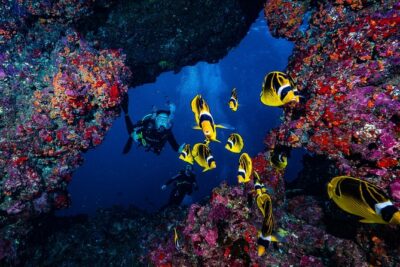
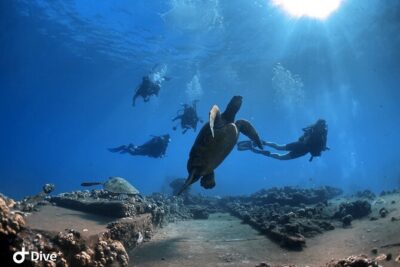
This is the part you picture when you book. You spend time exploring Maui’s coral reefs, and you are likely to see turtles and plenty of tropical fish.
For first-timers, seeing turtles is more than a cool photo moment. It reinforces that learning the gear and skills is actually helping you enjoy the ocean life you came for. And when you are calm enough to look around, the reef becomes the classroom.
A previous participant described a turtle sighting that was memorable for how close and frequent it felt, even using the playful phrase turtle car wash. I will say this in the plainest terms possible: you should not plan your whole day around seeing turtles. But the fact that wildlife encounters are part of what the course is built around is a real advantage.
Also, you get clear rules ahead of time. You are not allowed to touch marine life, which is good for the animals and good for your own learning. When you keep your hands to yourself, you spend more energy watching and less energy worrying about consequences.
Why the instructor matters: coaching that keeps you safe and relaxed

In beginner scuba, safety is not just equipment. It is the instructor’s tone and how clearly they break skills into steps. Here, you are guided by a PADI professional, and instruction is in English.
The names that keep coming up for this type of program are Matt and Scott. One participant thanked Matt as perfect, and others highlighted Scott for being excellent and making a group feel safe. That lines up with what you should look for in an intro course: calm, direct coaching, not scary surprises.
One participant also said they were nervous at first because sharks were mentioned, but the experience still felt peaceful. That is actually a useful reminder for you. You can expect safety talk, and sometimes it includes realistic context about ocean life. The goal is not fear. The goal is awareness, and then calm execution of the skills you practiced on land and in the water.
If you tend to worry before new activities, this matters. A good instructor turns anxiety into checklists and breathing. The course is structured for that kind of success.






Price and value: what $160 buys you, and what it does not

The price is $160 per person, and the duration is 3 hours. At this price point, you are paying for three big things:
- Personalized instruction from a PADI professional
- PADI materials plus all the gear you need
- A guided underwater experience built around beginner skills
That is meaningful value because the usual hidden costs for “try scuba” trips often come from gear rental, learning materials, and extra time needed to get set up. Here, those are handled for you.
What is not included is transportation and food. So if you are planning your day, budget time to get to the Lahaina meeting point and grab a meal afterward. Also, think of the experience as a focused training session first, wildlife outing second.
The upside of the short format is that you do not spend your whole day chasing logistics. The downside is that you are not buying a long, slow reef safari. You are buying a solid introduction that helps you learn the fundamentals and come back wanting more.
Skills you will practice: mask clearing and regulator recovery
This course keeps the in-water practice practical. You focus on skills you will use during every scuba session, not random tricks that look good in a training video.
The two headline skills are:
- Clearing your mask
- Recovering your regulator
Clearing a mask matters because it helps you stay composed if water gets where it should not. Mask recovery is often a confidence builder, because it shows you can fix a problem without losing control of your breathing.
Regulator recovery builds trust. If something comes loose, you learn how to retrieve it and continue breathing safely. That is the kind of skill that makes future underwater outings feel manageable.
You also practice the basic safety guidelines the instructor teaches you before you continue. The goal is that you leave with a mental framework for what to do and what not to do, so your next time feels less like a challenge and more like a hobby.
Rules, medical screening, and who this course is not for

Two rule-based things are important. First, bring swimwear. Second, remember the no touching marine life rule. You get to observe, not interact with your hands.
The other big piece is medical. Once you receive your eLearning access, you should log in and complete the PADI Medical as soon as possible. If you answer yes to any condition, you cannot be taken underwater until you are cleared by a doctor. The key point is timing: do this immediately so you know early whether you are cleared.
You should also note this is not suitable for:
- Pregnant women
- People with back problems
- People with heart problems
- Non-swimmers
- People with respiratory issues
- People prone to seasickness
These restrictions are not there to be picky. They are there because breathing underwater and physical strain can make certain conditions risky. If you fall into any of those categories, you should check with your doctor and your scuba provider before booking.
Practical tips so your first session feels smooth
Here is what I would do if I were helping a friend prepare for a first-time scuba intro in Lahaina.
First, finish your eLearning before you arrive. Even if it only takes 15 to 20 minutes, it changes the whole tone of the day. You spend less time figuring out basic concepts and more time practicing the skills.
Second, tell the instructor what you need in plain terms. If you are nervous, say so right away. A good instructor can slow down and use the coaching style that fits your comfort level. The small group setup helps here because they can watch you closely.
Third, plan your day around motion and comfort. The activity is not recommended for people prone to seasickness, so if you are even somewhat sensitive, consider that seriously.
Finally, pack only what you truly need. The only item specifically listed is swimwear, so keep it simple. You are there to learn, not to troubleshoot a wardrobe.
Should you book this shore-based scuba intro in Lahaina?
Book it if you want a structured first-time experience with PADI-led instruction, a small group (max 4), and hands-on practice that targets the skills that matter most: mask clearing and regulator recovery. You will also likely leave happy because the coral reef setting and wildlife encounters, including turtles, are part of the point.
Skip it if you are not able to swim, if you have the listed medical concerns, or if you are prone to seasickness. And if your main goal is long hours exploring, this focused training session may feel too short.
One more decision tip: choose this when you want a calm, beginner-friendly start in Maui where the focus is safety plus real learning. That is exactly what this format is built to deliver.
FAQ
How long is the experience?
It lasts about 3 hours total.
What does the course cost?
The price is $160 per person.
Is there anything I must complete before the day of the session?
Yes. You will receive an eLearning login for reading and videos to complete before you arrive, which takes about 15 to 20 minutes. You also need to complete the PADI Medical as soon as you receive your eLearning access.
What skills will I practice while learning?
You will practice key beginner scuba skills under direct supervision, including clearing your mask and recovering your regulator, plus basic safety guidelines and breathing underwater.
What is included in the price?
Personalized instruction from a PADI professional, all PADI materials, and all scuba gear rentals are included.
What should I bring, and are there rules about marine life?
Bring swimwear. You are not allowed to touch marine life.
Is transportation provided?
No. Transportation is not included.
More Tour Reviews in Lahaina

Not for you? Here's more nearby things to do in Lahaina we have reviewed


Maui Scuba Diving Tours, compared.
 ★ 5.02 Tank Lanai Cathedral Scuba Dive Via Boat for Certified DiversFrom $306548 reviews
 ★ 5.0Beginner Scuba Dive in Lahaina: Swimming RequiredFrom $229219 reviews
 ★ 5.0Small-Group Shark and Turtle Dive for Certified DiversFrom $135219 reviews
 ★ 5.0Discover Scuba Diving Class from LahainaFrom $158185 reviews
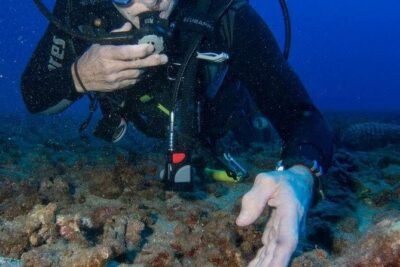 ★ 5.0Maui Scuba Diving Introductory Lesson from LahainaFrom $227179 reviews
 ★ 5.0VIP Aloha Nui Snorkel Adventure w/ optional SCUBA from LahainaFrom $235136 reviews
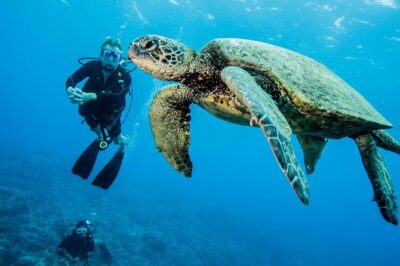 ★ 5.0Maui Certified Shore Diving from LahainaFrom $199107 reviews
 ★ 5.0Guided Scuba Dive in Lahaina: CertifiedFrom $18967 reviews
Browse the lists this tour appears in