
Reviewed · MAUI SCUBA DIVING TOURS
Maui Scuba Diving Introductory Lesson from Lahaina
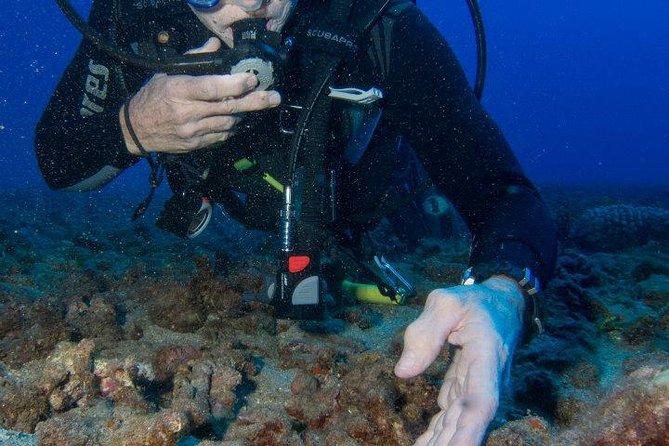
The ocean can feel intimidating at first. What I like is the 45-minute shore skills class that teaches mask and regulator basics before you ever enter the water, plus the small group of four so your instructor can give you hands-on help instead of rushing everyone through. One thing to consider, though, is the medical waiver and physical fitness requirements, and the need to be comfortable with basic swimming.
This is set up for comfort and control, not showmanship. If you decide you want to keep going, this outing can count toward certification with PADI at no extra cost, which makes the lesson feel like a smart first step, not just a one-time thrill.
Key Points You’ll Care About
- Shore-first training (45 minutes) means you learn skills on land before you’re trying to breathe underwater.
- Max 35 ft / 10.7 m keeps the experience focused and beginner-friendly.
- Small groups of four give you room to go at your pace, with real instructor attention.
- Green sea turtles and reef life are part of the point, with a guided pace to help you actually enjoy what you see.
- Certification support with PADI if you want to continue right after your first try.
Price and Time: What You’re Paying for in Lahaina
This intro scuba lesson costs $227.50 per person and runs about 2 hours 15 minutes total. On paper, that can sound pricey for a first-timer activity. In practice, the value comes from three things: the instructor time, the included gear and water, and the fact that you’re trained before you go in.
You’re not just handed equipment and sent to figure it out. You get a structured class, then a guided, controlled water entry and reef tour that’s designed around your comfort.
Also note the timing: it starts at 7:30am at the Lahaina meeting point. Early starts matter in Maui because conditions can shift fast, and operators need a calm window to keep that beginner water session smooth.
More Maui tours, island days, and ocean experiences


7:30am Logistics in Lahaina: Meeting, Gear, and Waiver Reality
You meet at 94 Kupuohi St, Lahaina, HI 96761. The tour ends back at the same meeting point, so you’re not stuck guessing where you’ll be dropped off later.
Before you go, you need to take care of the online medical waiver (medical clearance form). You must be able to answer no to all waiver questions to dive. If any answer is a yes, you’ll need a doctor’s note to participate. This is one of those rules that feels strict but is there for real safety reasons.
You’ll also want to plan around the travel restriction: no flying the same day, and you must wait 18 hours after scuba before a helicopter, airplane, or a Haleakala flight. If your itinerary includes later flights, this is the big decision point to check before booking.
Finally, the operator asks for a contact method that stays active on island (phone or WhatsApp). You’ll also get a message the day before with the meetup details.
The 45-Minute Shore Class: Mask, Regulator, Buoyancy, and Calm Breathing
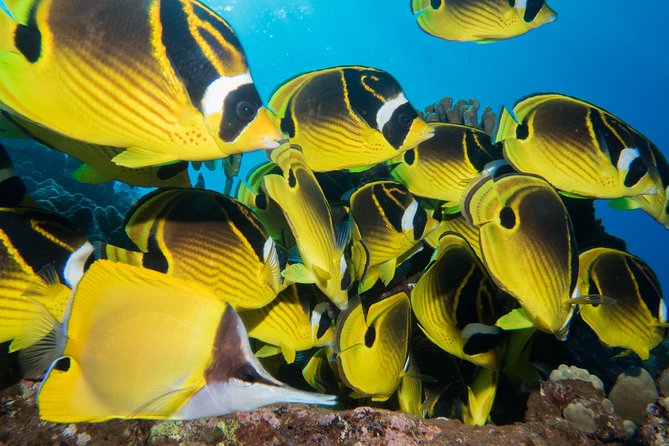
Your day starts at the shop with a 45-minute class focused on basic skills and safety. This is where the lesson earns its reputation with first-timers: you learn the motions and the safety steps before you’re dealing with buoyancy, breathing, and saltwater at the same time.
Here’s what that shore portion typically covers:
- How to don your mask properly
- How to breathe through the regulator
- How to control buoyancy underwater
- How to swim safely in the water
This matters because most first-timer stress comes from doing too much at once. When you practice the breathing and buoyancy mechanics on shore first, you arrive in the water with a mental checklist instead of guesswork.
And since this is a small group (max four people), you’re more likely to get corrections quickly. In the reviews, that attention and patience comes up again and again with instructors like Chris, Bruce, Emma, Maya, Philip, Maia, Shelby, Gu, Mia, and Brad.
Entering the Water: Wading Setup and Instructor-by-Your-Side Coaching
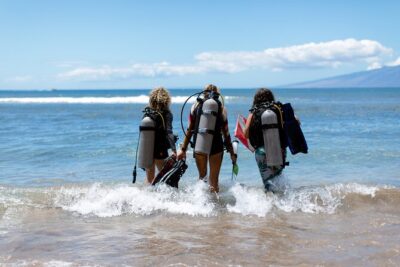
After the class, you head out to a nearby beach for the water entry. The plan is comfortable: you wade in, and your professional instructor stays right with you to talk you through the steps.
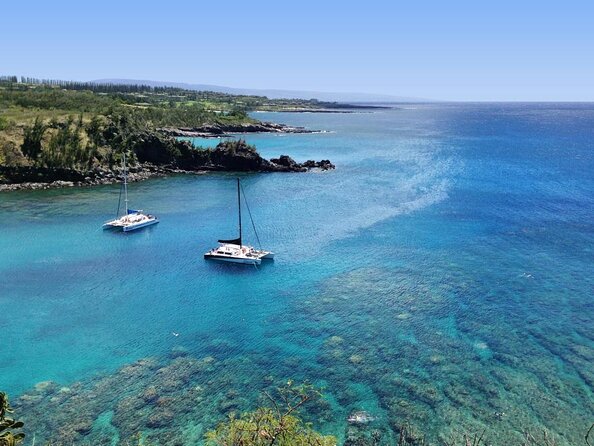
Because the exact location can shift with ocean conditions, the outing may happen at popular beginner-friendly areas such as Black Rock, Canoe Beach, and Kapalua Bay. The stated itinerary can also include Honolua Bay, The Spa at Black Rock, Extended Horizons, Kapalua Beach, and Baby Beach in North Lahaina.
No matter where you go, the lesson is designed to stay within beginner limits. Your maximum depth is capped at 35 feet (10.7 meters).
That depth cap is more than a number. It means you’re not out there far from training wheels, and the goal stays simple: learn the feeling of breathing underwater, watch the reef, and build comfort.
The Reef Session: Going at Your Pace While You Look for Turtles
Once you’re comfortable blowing bubbles, you follow your guide on a reef tour. The pace is intentional. If you need practice, you stop to work on skills rather than being forced to keep moving.
This is the heart of the experience: you get the chance to do the fun part while your brain is still focused on safety and breathing. In other words, you’re not just surviving your first lesson. You’re also actually seeing things.
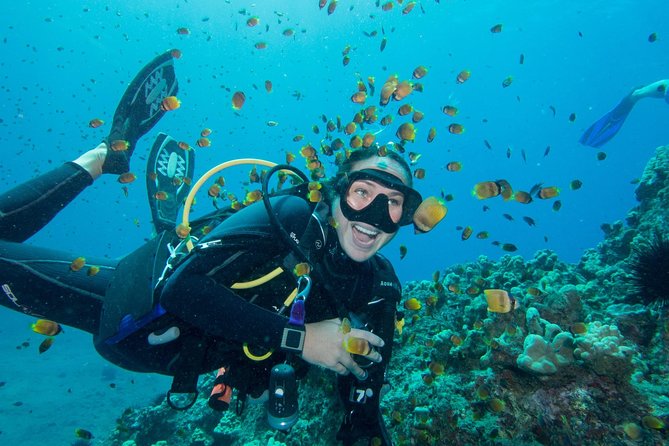
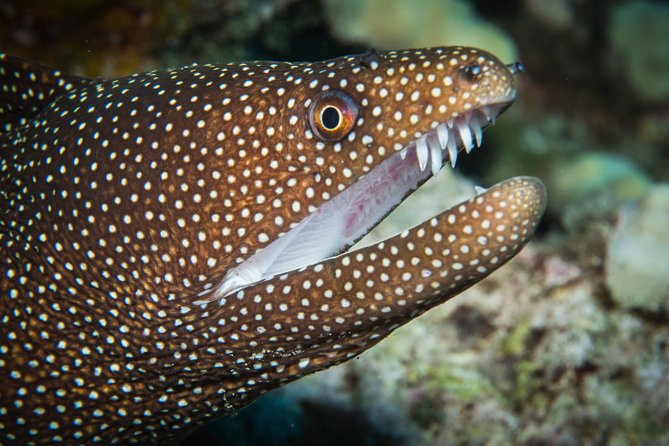
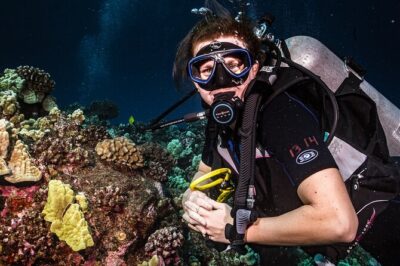
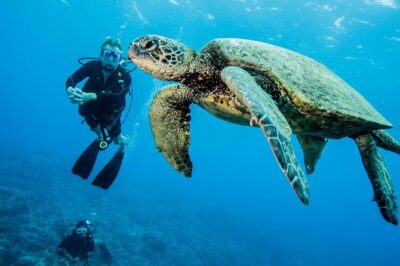
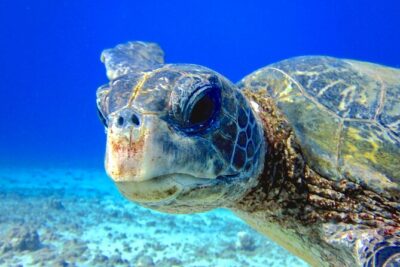
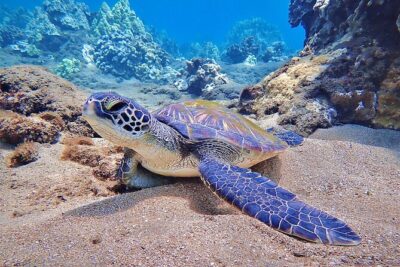
The big highlight is wildlife. You have a strong chance to spot green sea turtles along with other marine life on the coral reef. On multiple occasions in instructor feedback, people mention turtles and reef creatures up close, which is exactly what makes this lesson worth doing in Maui in the first place.
And since your group is small, you’re less likely to feel like you’re being herded like a snack on a schedule.





Where You’ll Go (and Why Each Spot Matters)
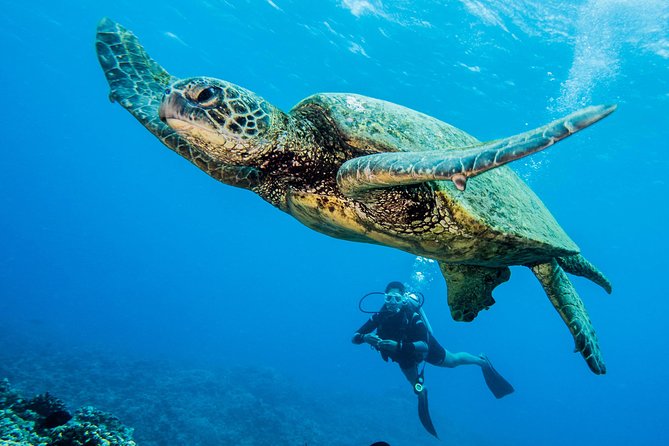
You won’t always get the same exact route, because the operator selects the site based on conditions. But the lesson centers on similar goals: calm water, manageable depth, and good reef visibility.
Here’s how to think about the likely stops:
- Honolua Bay: Often picked for its beginner-appropriate access and reef opportunities.
- The Spa at Black Rock: Black Rock is a go-to area around Lahaina, and the “Spa” label hints at a controlled, easier entry zone.
- Kapalua Beach: Another popular region for calm sessions and good wildlife viewing chances.
- Baby Beach in North Lahaina: The name says it all, and that usually translates to beginner comfort.
- Extended Horizons: This appears as a labeled stop in the route, and you can treat it as part of the operator’s planned flow that day.
Even if you don’t memorize each beach, you’ll feel the result. The operator chooses spots where first-timers can focus on breathing, buoyancy control, and looking around.
Instructor Quality: Small Group Attention Makes or Breaks Your First Hour
The most consistently praised aspect in the feedback is how supported people feel. Many first-timers talk about instructors who explain things clearly and keep them calm when learning to breathe underwater is scary.
You’ll see that pattern tied to names such as:
- Bruce (often praised for patience and making people feel safe)
- Chris (praised for being attentive and teaching reef facts)
- Emma (noted for explaining well and staying patient)
- Maya and Maia (praised for beginner-friendly instruction)
- Philip, Shelby, Gu, Mia, and Brad (praised for comfort and confidence-building)
That matters because intro scuba is emotional, not just technical. When the instructor reads your stress level and adjusts, you usually get the relaxing, wonder-filled experience you came for.
One drawback from a negative account is that patience can vary by instructor and situation. That person reported feeling pressured on equalization and described ear pain that affected the whole outing. I can’t pretend that issue doesn’t exist. So here’s the practical takeaway:
If you have trouble with equalizing or you’re a slow learner, say so early. Communicate your comfort level right away, and ask for slower depth changes and extra time for equalization. Your safety and comfort should lead the schedule.
Ear Pressure and Equalizing: The One Skill You Should Take Seriously
Medical waivers and buoyancy are important, but ear equalization is the big real-world comfort issue for many people. During the session, you’ll be expected to manage pressure while going down gradually and staying aware of how your body feels.
Because one report included ear pain linked to going deeper quickly, don’t treat equalizing like a background detail. If you feel discomfort, you should alert your instructor immediately and ask for a slower pace or a pause.
Also, the lesson format helps you manage this. You enter gently from a beach, you’re in shallow-to-moderate depth territory (max 35 feet), and your instructor is there to guide your steps. Use that advantage. Go slow on your equalization and keep asking questions until it feels normal.
What’s Included (and What to Bring Yourself)
Included:
- All required equipment
- A professional guide
- Water
Not included:
- Hotel pickup and drop-off
That means your responsibility is mainly transportation to the shop at 94 Kupuohi St and being ready for a morning start. If you’re using a taxi or rideshare, plan for a little buffer time for parking and check-in.
What you should have ready:
- Basic swimming skills
- The right gear for a beach-style morning (think water-friendly comfort and sun protection)
- Your medical waiver completed and confirmed ready before you arrive
One extra practical item: the operator requests your shoe size in men’s. That’s about fitting fins and keeping you comfortable during your water session.
Who This Is Best For (First-Timers, Refresher Divers, and Cautious Learners)
This lesson is perfect for:
- True first-timers who want structured training on land first
- People who want a refresher if it’s been a long time since they were in the water
- Anyone who values small group support and a calm pace
Restrictions to keep in mind:
- Minimum age is 12
- You should have moderate physical fitness
- You must have basic swimming skills
If you’re confident in the water and you’re excited to learn, you’ll likely enjoy the best part of Maui scuba-like experiences: breathing underwater, watching reef life, and possibly spotting green sea turtles.
If you’re anxious about breathing underwater or you learn slowly, this lesson can still work, but the key is choosing the right mindset. Go in expecting learning time, not perfection. And speak up if you need extra time for equalization or buoyancy practice.
PADI Certification Credit: A Smart Next Step if You Catch the Bug
If you decide you want to keep going toward certification, this intro lesson can count toward your certification. The operator also says you’ll be registered with PADI at no additional cost.
That’s a meaningful value add. A lot of “try it” activities stop at the experience itself. Here, the lesson is built to connect to the next stage, which is ideal if you want to turn curiosity into real training without starting over.
If you’re not sure yet, take the session as a test run. You’ll come away knowing whether your body likes the breathing, the buoyancy, and the calm attention of instructor guidance.
Should You Book This Maui Intro Scuba Lesson?
Book it if you want an organized, beginner-friendly first underwater experience in Maui with shore skills training, a small group, and strong odds of green sea turtles. The included gear, water, and instructor coaching make the price feel more justified than a casual “just try it” excursion.
Skip or think twice if you:
- Have medical concerns that might require a doctor’s note
- Have trouble with equalization and you know you need extra time
- Are planning to fly later that day, because you must wait 18 hours
- You hate early mornings and the 7:30am start will throw off your day too much
If you want a first scuba step that feels safe and practical, this is one of the more focused options around Lahaina.
FAQ
How long is the Maui introductory scuba lesson?
It runs about 2 hours 15 minutes (approx.).
Where do I meet for the experience?
You meet at 94 Kupuohi St, Lahaina, HI 96761, and the activity ends back at the same meeting point.
What do I learn before entering the water?
You get a 45-minute class covering basic skills and safety, including how to put on your mask, breathe through the regulator, control buoyancy, and swim safely.
Do I need to fill out a medical waiver?
Yes. You must complete the online medical waiver/medical clearance form before going scuba. If you can’t answer no to all questions, you’ll need a doctor’s note to dive.
How deep will we go?
The maximum depth is 35 feet (10.7 meters).
How many people are in each group?
A maximum of 4 travelers per booking.
Is hotel pickup included?
No. Hotel pickup and drop-off are not included.
Can I fly later the same day?
No. Flying is not permitted within 18 hours of scuba. You must wait at least 18 hours after diving before helicopter, airplane, or Haleakala.
Does this help with PADI certification?
Yes. If you continue with scuba and work toward certification, this lesson counts toward certification and you are registered with PADI at no additional cost.
What if it’s canceled due to weather or if I cancel?
If it’s canceled due to poor weather, you’ll be offered a different date or a full refund. You can cancel up to 24 hours in advance for a full refund. If you cancel less than 24 hours before the start time, you won’t receive a refund.
More Workshops & Classes in Maui
More Tour Reviews in Maui

Not for you? Here's more nearby things to do in Maui we have reviewed


Maui Scuba Diving Tours, compared.
 ★ 5.02 Tank Lanai Cathedral Scuba Dive Via Boat for Certified DiversFrom $306548 reviews
 ★ 5.0Beginner Scuba Dive in Lahaina: Swimming RequiredFrom $229219 reviews
 ★ 5.0Small-Group Shark and Turtle Dive for Certified DiversFrom $135219 reviews
 ★ 5.0Discover Scuba Diving Class from LahainaFrom $158185 reviews
 ★ 5.0VIP Aloha Nui Snorkel Adventure w/ optional SCUBA from LahainaFrom $235136 reviews
 ★ 5.0Maui Certified Shore Diving from LahainaFrom $199107 reviews
 ★ 5.0Guided Scuba Dive in Lahaina: CertifiedFrom $18967 reviews
 ★ 5.0Private and Personalized Scuba Diving Adventures for All Experience LevelsFrom $25062 reviews
Browse the lists this tour appears in