
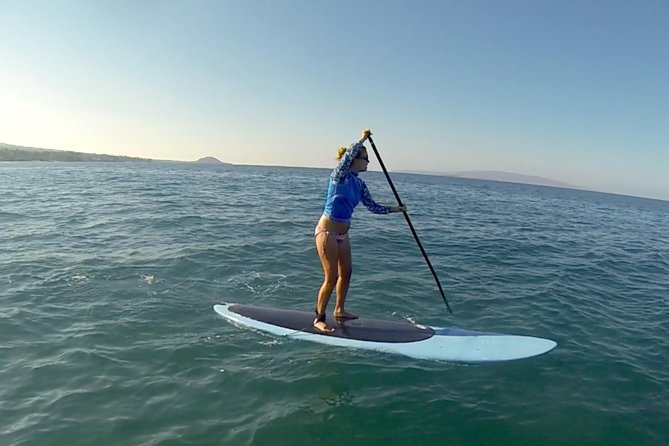
Reviewed · MAUI PRIVATE TOURS
Private Standup Paddleboard Lesson for Beginners in Kihei
Maui gets you upright fast. This private beginner standup paddleboard lesson in Kihei is a hands-on way to learn balance and technique in about 90 minutes, with your start time at 8am near the Mana Kai Resort. I like the small group setup that keeps the coaching close and practical, and I also like how much focus is placed on ocean awareness, not just standing on the board.
The main trade-off to consider is simple: it is early and it is not cheap, at $370 per person, plus there is no hotel pickup. If you hate mornings or you do not want to self-navigate to 1976 S Kihei Rd, plan ahead.
Key Things I’d Highlight Before You Go
- Max four people means less waiting and more direct feedback
- Safety briefing first so you learn how to read the ocean before you try your first strokes
- Beginner-level focus on stance, positioning, and paddling technique
- You choose the vibe after training, coastal paddle tour or extra wave practice
- Private group experience so you stay with your crew, not a big mix
Morning Start at Mana Kai’s Surf Shack in Kihei
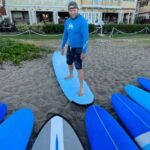
Your day kicks off early at the Surf Shack Shop at the Mana Kai Resort in Kihei. Arrive a little before 8am so you have time to check in, get your bearings, and meet your instructor before the lesson officially starts. The whole session runs about 1.5 hours, then you return to the beach to turn in your equipment and be free for the rest of the day.
That early start matters more than you might think. When you are learning SUP, the hardest part is often not the water, it is your first few seconds of balance. Morning timing usually makes it easier to focus, because you are not trying to figure things out while everything feels chaotic. You also get the satisfaction of being done by late morning, which makes it easier to build the rest of your Maui day around your paddle.
One more thing I appreciate here is that the lesson is designed for beginners. You are not being thrown into a skills contest. You are getting coached from the ground up, starting with how to stand, how to hold the paddle, and where to place yourself on the board.
More Maui tours, island days, and ocean experiences
The 90 Minutes of Beginner SUP Coaching, Step by Step
This is not a vague, “good luck” paddle. Your instructor walks you through the basics in a way that builds in order. The lesson covers safety and ocean awareness, then shifts into the physical skills you need to stay stable and move without fighting the board.
Here is what that typically looks like during the session:
- You get acquainted with your board and gear.
- You get a safety briefing before you go out.
- You practice balance and proper stance.
- You work on positioning so the board responds the way you expect.
- You learn correct paddling technique, including how to manage direction and control.
The coaching style seems to be the real win. In the feedback I saw, instructors were repeatedly described as patient and clear with newcomers, including groups that included kids and grandparents trying SUP for the first time. That matters because beginners usually need extra tries to get the hang of standing. Even if you are athletic, you will feel awkward at first. The board acts like a moving platform, and your body needs reps to stop overthinking it.
Also, your group is capped at a maximum of four people. That means you are more likely to get quick corrections, like small stance adjustments and paddle angle tweaks, instead of waiting while the instructor helps someone else.
Safety and Ocean Awareness Before You Paddle
SUP on Maui is not just a scenic activity. It is time on open water, and you have to understand what the ocean is doing. That is why the lesson begins with safety and ocean awareness, not just how to grip the paddle.
During your briefing, you will focus on basics like:
- how to stay alert to changing conditions
- how to think about balance and control on the water
- safety habits that help you paddle confidently
This is also where having a smaller group helps. When you are new, you may not know what questions to ask. A good instructor will guide you through the common beginner issues, then help you avoid the panic spiral that happens when something feels different out on the water.
And yes, the instruction includes plenty of time for you to practice. People often show up expecting SUP to look easy in photos. It is not. The first goal is to feel stable, then to feel in control while you paddle.
Coastal Paddle Tour or Waves: How the Choice Works
After the initial training, your group has to agree on what you want to do next. The lesson is built around that choice, either:
1) go on a coastal paddle tour, or
2) hit the Hawaiian waves for extra practice
This decision is smart for a beginner lesson. Some people want the calmer, scenic path first, so they can get comfortable without feeling overwhelmed. Others want challenge right away because they learn faster by testing their skills in real conditions.
Because it is “majority agreement,” you will likely find your group leaning one way or the other. If you are the one nervous about the ocean, speak up early before you vote. If you are the group’s adrenaline driver, you can push for wave practice, but keep an eye on your comfort level once you are actually out there.
From what I’ve seen in the experience feedback, the instructors did a good job keeping groups together and staying on top of what everyone needed. That is especially helpful if your crew includes different confidence levels, like parents and kids or mixed ages.
Getting the Most From Your Board Time
SUP is partly technique and partly body awareness. The board will teach you fast, mostly by making you realize you have been standing wrong. The good news is that the lesson is built around getting you to the correct stance and positioning, so the board stops feeling like it is working against you.
A few practical things to remember as you go:
- Your stance is your stability system. Small changes help a lot.
- Your paddle technique controls more than you expect. One minor adjustment can improve your direction and reduce wobbling.
- Practice matters. You are doing this to learn, not to conquer.
In feedback I reviewed, many beginners described that success came in stages. Some people got standing quickly, while others needed patience and repeated tries. That is normal. The best part is you are not practicing alone. You are working with an instructor who can correct your form while you are still in the learning curve.
One memorable detail from the experience buzz: you may even encounter instructors with personalities that make the session feel fun instead of intimidating. There was mention of an instructor team involving Church the Dog and his master, and that Church rode along on the board and even acted like a wave rider in the middle of the fun. Whether or not you get a similarly whimsical setup, the takeaway is clear: the lesson atmosphere seems to be relaxed and encouraging.



Private Means Your Crew Gets Attention
This is a private tour/activity, meaning only your group participates. It is not a mega-group situation. Combined with the maximum of four people during the lesson, this structure is ideal if you want focused coaching.
Private does not just mean privacy. It means the instructor can match pacing to your group. If you have one person who learns fast and another who needs more tries, you are more likely to keep moving without one person feeling left behind.
It also matters for groups with kids or mixed experience levels. In the feedback I saw, instructors were highlighted for being patient with younger participants and for making the whole group feel safe. That is what you want when you are teaching bodies that do not yet have balance memory.
If you want photos, keep your expectations realistic. The lesson includes instruction and gear, not extra services listed as part of the core package. That said, one group described that their instructor also helped with pics during the session. So you might get that kind of help, but do not plan your day around it.
Price and Value: Is $370 Per Person Worth It?
At $370 per person for about 1.5 hours, this is not a budget activity. So the value question is legit.
Here is what supports the price:
- Professional instruction focused on beginners, including safety and ocean awareness
- A small max group size that makes corrections realistic
- A private setup where only your group participates
- SUP board included, so you are not renting gear separately
Here is what might make it feel steep:
- no hotel pickup and drop-off means you handle getting to the meeting point
- you need to be okay with an early start
- you are paying for a guided learning experience, not a full-day adventure
So who is this best for? If you want the quickest, clearest path to getting comfortable on a SUP board, and you care about learning the right mechanics from day one, the price starts to make sense. You are paying for coaching time and a controlled learning environment.
If you already paddle confidently, you might find yourself wishing for more time on the water or a cheaper guided option. But for beginners, especially groups that want structure, this lesson is built like a good training session.
Who This Beginner SUP Lesson Suits Best
This experience fits a specific kind of traveler.
You should strongly consider it if:
- you are a true beginner who wants safety guidance and technique coaching
- you are traveling with a group that benefits from a private setup
- you want to try SUP early in your Maui trip and then enjoy the rest of the day
It also has clear age guidance: the minimum age is 12, and children must be accompanied by an adult. Most travelers can participate, but the session is still about learning balance and paddling control, so you should feel comfortable with basic physical activity.
It is also a great match if you want a local, practical activity in Kihei rather than a long, complicated tour day. Meet, learn, paddle, return. Then you are back on land with time left.
What to Expect After You Return to Shore
When your lesson ends, you go back to the beach where you turn in your equipment. That is when the training time stops and your Maui freedom begins.
This ending structure is useful. You get a clear finish line, instead of guessing how long it will take to feel comfortable. It also makes planning easier. You can build your afternoon around food, beaches, or a sunset plan without worrying you will be stuck in a longer activity.
Also, because this is structured as a short, focused beginner lesson, it helps you learn what kind of SUP experience you actually want next. Some people decide they want calm paddling and scenic routes. Others want to chase waves and more dynamic riding.
Final Call: Should You Book This SUP Lesson in Kihei?
If you are new to SUP and you want a calm, coached introduction with small-group attention, I think this is an excellent choice. The biggest strengths are the safety briefing, the beginner-level instruction, and the close group size that makes feedback feel personal instead of generic.
I would only hesitate if you strongly dislike early mornings, you do not want to transport yourself to 1976 S Kihei Rd, or you are hoping for a long, open-ended paddle day. This is a learning session, built for progress in about 90 minutes, not a full day on the water.
If that fits your style, book it. You will likely leave with that first real sense of control that makes standing on a board feel less scary and more fun.
FAQ
Where is the meeting point for the lesson?
The lesson meets at Surf Shack Shop at the Mana Kai Resort in Kihei, at 1976 S Kihei Rd, Kihei, HI 96753.
What time does the SUP lesson start?
The lesson starts at 8am, and you should arrive a little before 8am.
How long is the standup paddleboard lesson?
It lasts about 1.5 hours.
What is the minimum age to join?
The minimum age is 12 years old. Children must be accompanied by an adult.
How many people are in a group for instruction?
Your group has a maximum of four people.
Is this activity private?
Yes. It is a private tour or activity, and only your group participates.
What is included in the price?
The price includes professional instruction and a SUP board. Accommodation is listed as included according to your itinerary.
What is not included?
Hotel pickup and drop-off are not included.
Can I choose between a coastal paddle tour and wave practice?
Yes. After the beginner training, your group makes a majority agreement on whether to do a coastal paddle tour or wave practice.
Is there any refund if plans change?
Free cancellation is available. You can cancel up to 24 hours in advance of the experience start time for a full refund. Changes or cancellations within 24 hours are not refunded.
More Workshops & Classes in Maui
More Tour Reviews in Maui


Not for you? Here's more nearby things to do in Maui we have reviewed


Maui Private Tours, compared.
 ★ 5.0VIP Private Road to Hana Tour with Pick UpFrom $6791,068 reviews
 ★ 5.0PRIVATE- Air Tour: 5 Islands: (2-5 people): SEE Even MORE!From $536785 reviews
 ★ 5.0PRIVATE- Air Tour FUN: 3 Islands: (2-5 people): SEE it ALL!From $338559 reviews
 ★ 5.0Road To Hana: Maui Waterfall Hiking Tour in Private JeepFrom $299343 reviews
 ★ 5.0Maui by Storm: Epic Private Luxury Road to Hana Adventure TourFrom $1,399337 reviews
 ★ 5.0Private Stand Up Paddle Boarding Tour in Turtle Town, MauiFrom $169293 reviews
 ★ 4.0Arrival Shuttle: Kahului Airport(OGG) to Hotels &Private Residences -Maui IslandFrom $12289 reviews
 ★ 5.0Romantic Sunset Champagne -Private- Maui Air Tour: Intimate & Spectacular!From $420264 reviews
Browse the lists this tour appears in