
Reviewed · MAUI SURF LESSONS
Maui Lahaina Group Surf Lesson
First-time surfing starts with one good guide. This Maui Lahaina group lesson gets you into West Maui surf conditions year-round with a maximum of 5 surfers, so you spend less time waiting and more time standing. I love the mix of gear provided plus hands-on coaching that focuses on wave technique and etiquette. One possible drawback to weigh: if you are sensitive to how an instructor handles mistakes, know that your experience depends a lot on the specific coach assigned.
What makes this lesson feel especially “real” is the structure and pace. You get a short land lesson for safety, then you rotate through the water with close instruction, and a photographer captures the close-up moments you can later buy as keepsakes. It is a group format, so it will not feel like a private lesson, even though many beginners still get multiple chances to ride.
Key Takeaways Before You Go
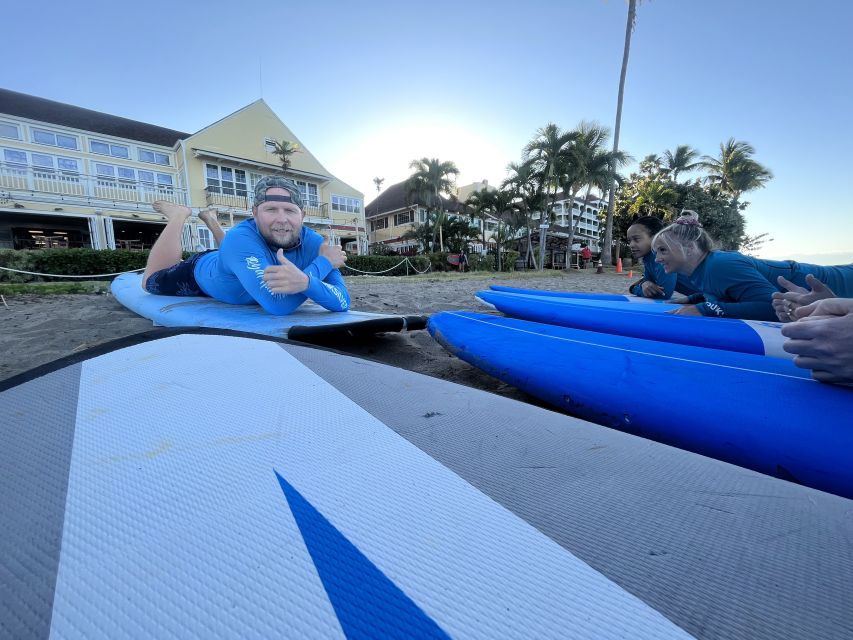
- Max 5 surfers means more turn time, not long stretches of watching.
- A 15-minute land lesson sets safety rules before you hit the water.
- Beginner-friendly West Maui breaks are calm enough to learn, with waves that can still keep you going.
- You are coached on wave technique and etiquette, not just standing up.
- A professional photographer works during the lesson, so you can document the moment.
- Age 10+ for the group lesson keeps the class focused and manageable.
Why Lahaina Works So Well for Your First Surf Lesson
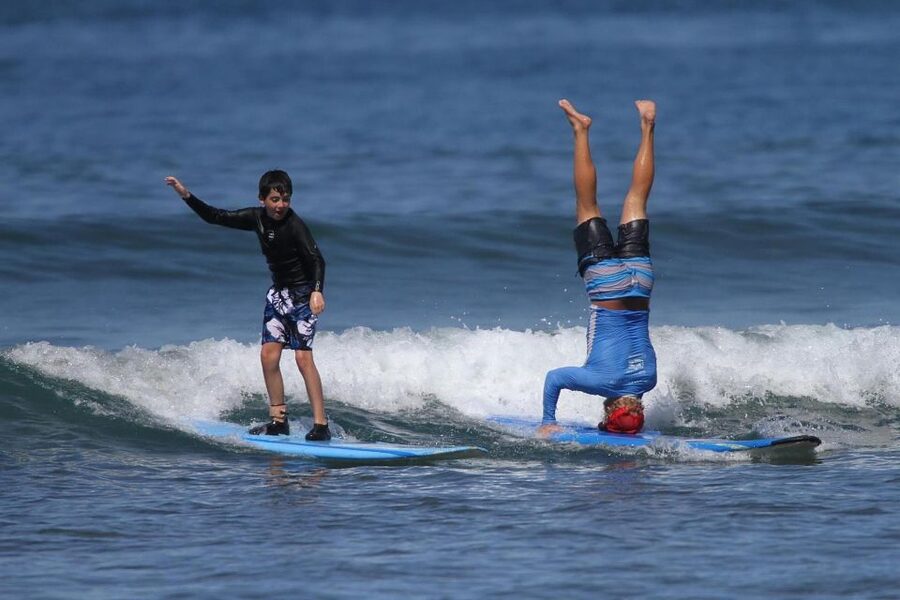
Lahaina is one of the best places on Maui to learn because surfing is part of the local culture, not an add-on. This lesson runs in West Maui waters where conditions can be ideal for beginners, including calmer spots that still offer enough wave energy to practice. The highlight promise is waves year-round, so you are not betting the whole trip on one perfect day.
The other thing I like is the coaching emphasis. You are not just handed a board. You learn proper wave technique and surf etiquette, which matters when you are sharing water with other surfers and trying to build confidence fast. In several cases, instructors pushed beginners toward real wave starts early, which is what you want for motivation.
More Maui tours, island days, and ocean experiences



The Two-Hour Flow: Check-In, Land Lesson, Then Real Wave Time
Plan for a smooth, no-nonsense timeline. You check in 30 minutes before your lesson at 505 Front Street, Lahaina, where you sign a liability release form. After that, you head to the operating area in Lahaina at guardrails.
Once you get to the beach, the lesson starts with a brief 15-minute land lesson. This is where the instructor sets safety measures and procedures. It is short, but it is timed well, so you understand what to do before you are out there trying to paddle, balance, and read waves at the same time.
Then the water time begins, and it is organized by turns. Each surfer gets their own stretch of riding time, and after your ride you move to the designated waiting area until the instructor calls you back in. At the beginning, it can feel slower because everyone is figuring out basic paddling and positioning. After the group settles in, the pace tends to speed up as more people start catching waves.
Throughout the session, there is also a professional photographer taking close-up shots. That means you can focus on the lesson, not on running for your phone every time you stand up. Your final return to the lesson flow happens when the instructor signals you back in, and the whole experience totals two hours from leaving the surf shop to finishing up in the water.
When the class ends, you carry your surfboards back to the shop. Then you head to the beach to shower off with fresh water before you wrap up. Finally, you have the option to check out and purchase your lesson photos.
Gear Provided, What You Must Bring, and the Stuff That Trips People Up
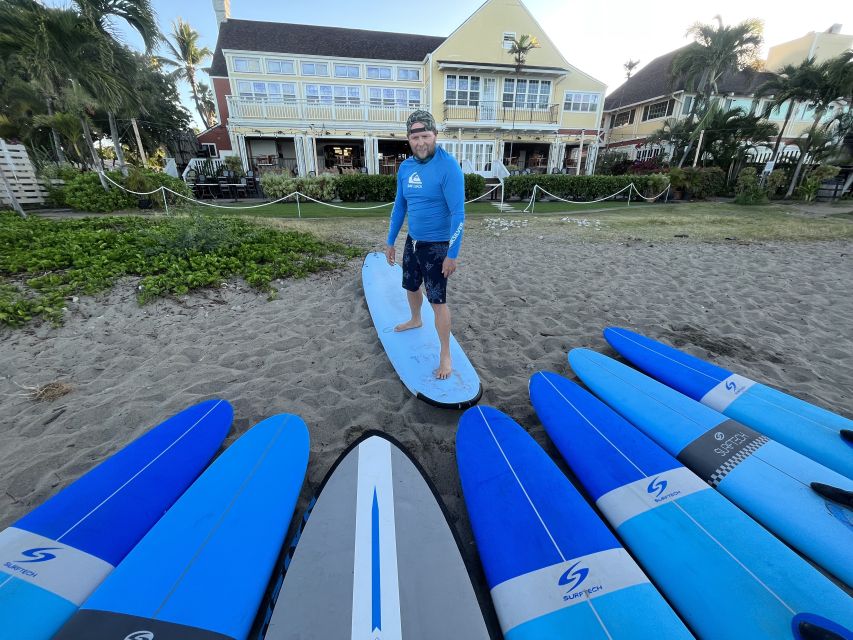
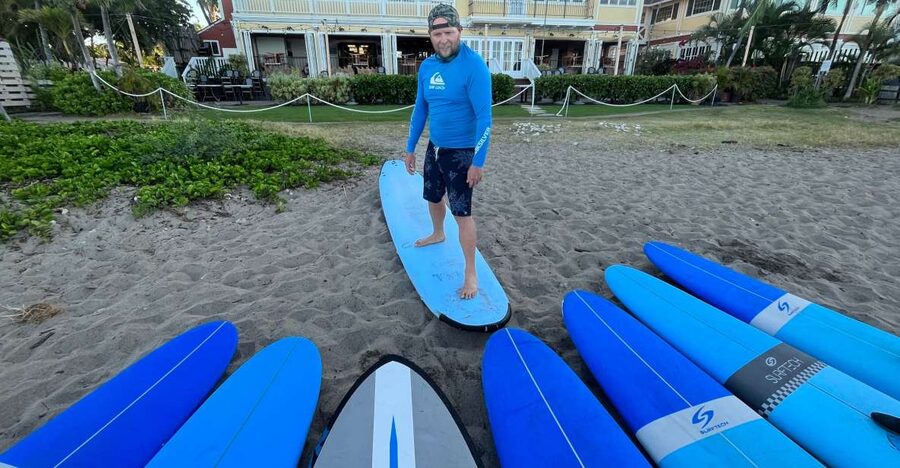
This lesson is set up to remove friction, especially for first-timers. You receive a surfboard, a long-sleeve UV rash guard, and water shoes. That is a smart package because it covers the two big beginner issues: cold shock or sun burn, and unstable footing when you are moving around on the shore.
What is not provided is equally important. You will need to bring a towel, sunscreen, and a swimsuit. Even if your rash guard helps, you still want sunscreen for the parts that do not get covered. Also, if you arrive without a swimsuit, you will lose time getting ready.
One small practical note I learned from how the day runs: you will be using cubicles at the surf shop to secure your belongings you do not want to get wet. So decide ahead of time what stays dry and floating-free. Bring what you need, keep it simple, and you will enjoy the water more.
Small-Group Coaching: How You Get Better Without Waiting Forever
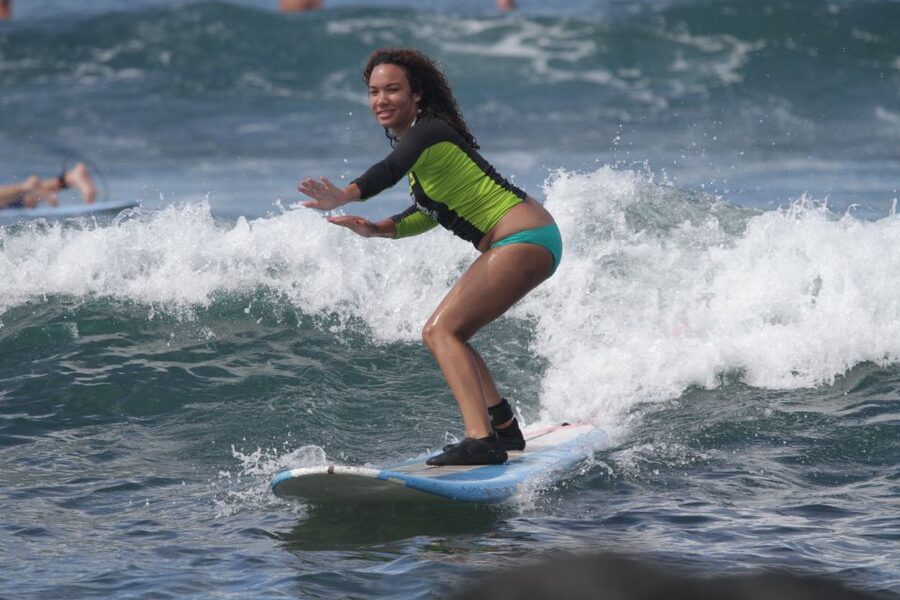
This is a group lesson with a strict limit of up to 5 participants, and that number changes everything. When the group is small, the instructor can correct your posture, timing, and wave positioning without shouting over a crowd. You also get multiple attempts, because the class is designed to rotate you back into the lineup.
The coaching style shows up repeatedly in the strongest feedback: instructors are patient, helpful, and focused on getting you standing. Names that come up often include Lee, Inaldo, Connor, and Felipe, along with guides like Josh, J.B., and Marcelo. You will also see references to staff like Steve who helps run the operation and, in at least one case, worked to add another lesson the same day.
What you should expect from good coaching here is not just technical tips. It is confidence-building. Several beginners describe getting up quickly, including cases where instructors towed or assisted paddling out when someone tired. That matters because fatigue is usually what ends the fun, not the lesson itself.
Also, the staff includes a CPR-certified instructor. That is not the most exciting line on a brochure, but it is a comfort factor when you are learning in open water.
The Wave Etiquette and Technique Lessons That Actually Matter
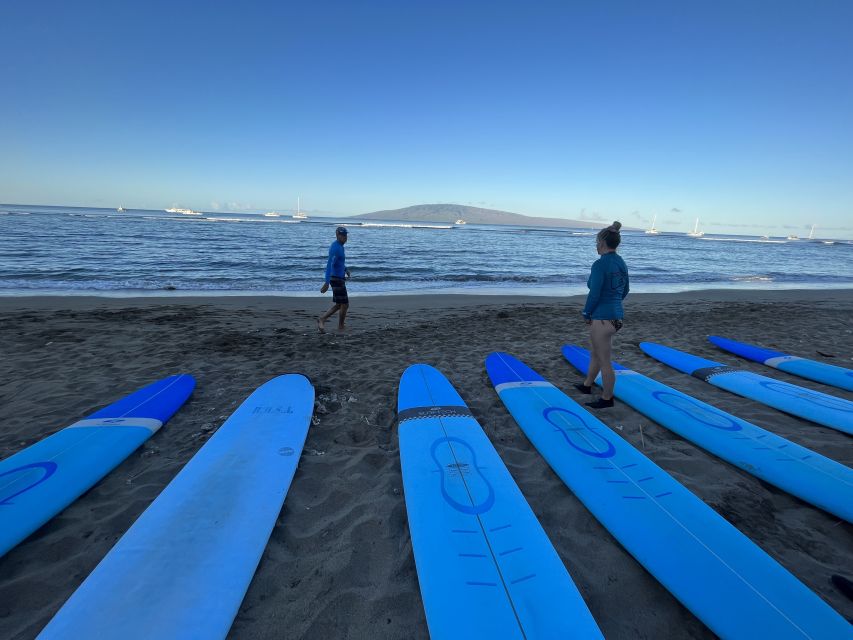
The lesson explicitly teaches proper wave techniques and etiquette, and you can feel why that matters once you are in the water. Surfers follow unwritten rules, like understanding where to enter, when to paddle, how to avoid cutting in, and how to respect other people working the same waves. If you skip that part, you spend your energy on confusion instead of surfing.
You also get instruction on how to handle your time in the lineup. The “ride, then wait” rhythm is not just scheduling. It teaches you to stay aware, watch sets, and listen for instructor signals so you do not waste your turn. A lot of the success in beginner surfing comes from timing your attempt, not from strength.
In addition, the coaches help you learn the basics in an order that makes sense. You get a short safety and technique start on land first, then you practice immediately. That means you are not trying to memorize everything underwater while also balancing on a moving board.






Meeting Point at Lahaina Guardrails: Logistics That Keep You Focused
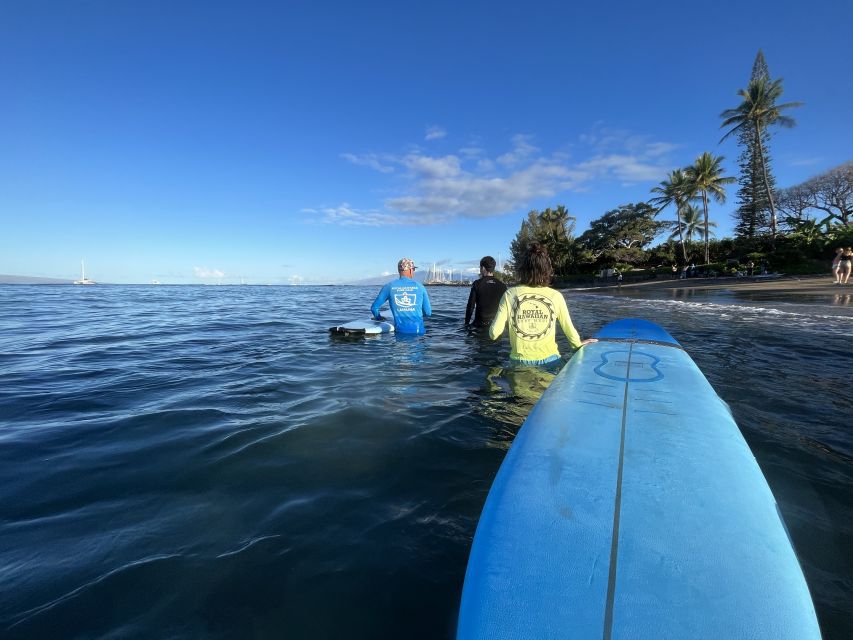
For the location, the lesson operates in Lahaina at guardrails, positioned between Puamana Beach Park and Launiopoko Beach Park. Parking is requested at the yellow flag on the mountain side of the highway. That detail matters because Maui driving and parking can eat your energy if you show up late or confused.
Once you are there, the flow is straightforward. Check in at 505 Front Street, then follow the group to the beach. The lesson moves quickly, so you will want to arrive with sunscreen and a swimsuit ready, not still hunting down a place to park.
Price and Value: Is $125 a Fair Deal for a Beginner Lesson?
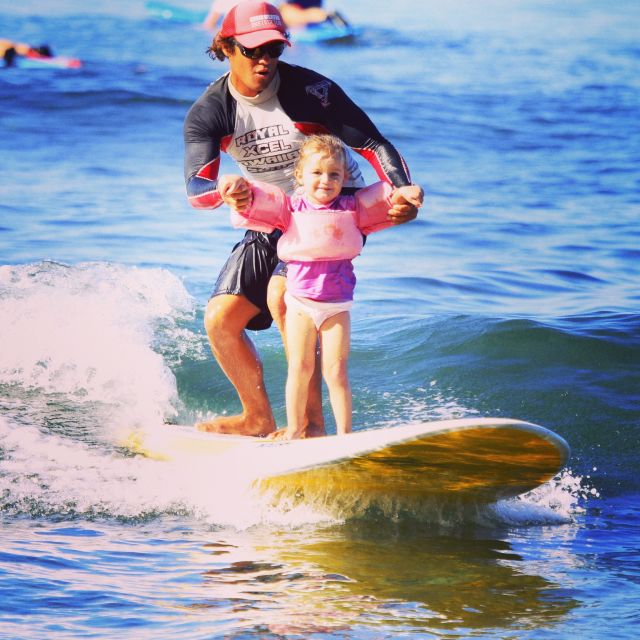
At $125 per person for a two-hour small-group lesson, you are paying for two things: equipment and coached practice.
The equipment part is real value. A surfboard, rash guard, and water shoes are included, which is not always the case with cheaper lessons. It also saves you from packing bulky gear or renting multiple items on your own. For many people, that alone makes the price feel more reasonable.
The coaching part is the bigger value driver. With only up to five surfers and a professional surf instructor, you get feedback and corrections without waiting through huge gaps. Many beginners aim for one or two standing attempts. This format is built to maximize attempts within the two-hour window.
Photos are also part of the experience, since a professional photographer takes close-up shots. Your photos are available for purchase, and that can add cost if you want prints or digital copies. Still, the fact that photos exist is a meaningful part of the lesson value, especially if you want proof you actually did it.
And yes, this lesson can be pricier than the very cheapest options. The best way to judge value is this: if you want the highest chance of standing up with real coaching, not just a board rental, then the $125 is easier to justify.
What You Can Learn From the Best-Feedback Stories
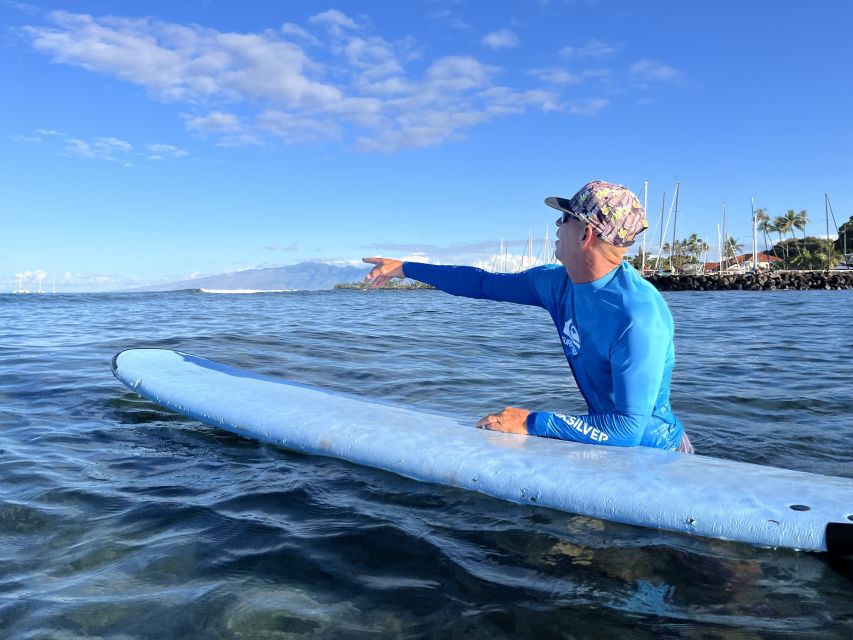
The strongest repeated theme is simple: the instructors are patient and good at turning nervous beginners into confident beginners. Many groups report they were encouraged, supported, and taught step-by-step. People mention specific instructors by name, especially Lee and Inaldo, and those guides show up in positive stories about getting first-timers up on waves.
Another big theme is the feeling of safety and comfort. Even when conditions are not perfect, like rainy or choppy moments, the instruction and guidance helped people keep going and still enjoy the experience. That is important because the ocean rarely feels controlled on day one.
You also see the benefit of staff attention beyond the instructor. One family described additional help when a participant lagged behind. Another mentions the staff helping with towing or push assistance when paddling out took too much energy. That kind of support is what turns a potentially frustrating first session into a successful one.
The One Clear Caution From a Less-Positive Experience
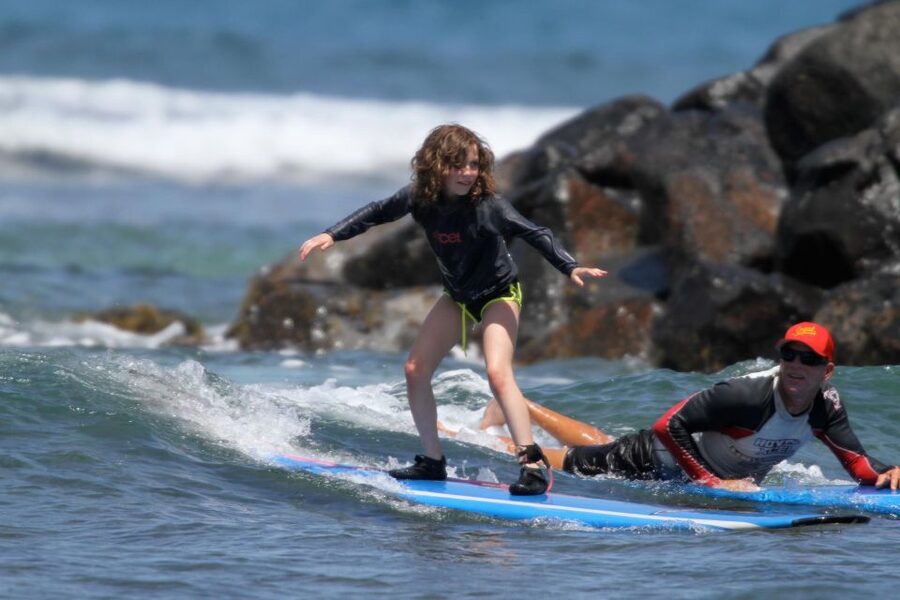
Most feedback is very strong, but there is one noticeable caution you should take seriously. One review described a problem with an instructor being impatient and using rough handling during an incident involving the rocks. That is not the standard you want to hear for a beginner lesson.
How do you protect yourself without spoiling your trip? Go into the lesson expecting safety-first coaching and clear communication. If you are worried, pay attention to how staff responds to mistakes and whether they keep instruction respectful. If anything feels off, ask for help from the onsite manager or lead staff right away. That said, the overwhelming pattern in the positive stories is caring coaching and supportive guidance.
Who This Lesson Fits Best on Maui
This group surf lesson is a strong match if you are:
- A beginner who wants a guided, structured first attempt
- Someone who values a small class with more turn time
- A family or group where different ages and skill levels still need supportive coaching
- A traveler who wants photos of your first standing attempts
There is also an age rule for the group format: 10 years old and older for group lessons. If your child is 9 or younger, you are recommended to choose a private or semi-private lesson instead. So plan based on age, not only on confidence.
If you are an advanced surfer looking for big challenges, this might not be your top pick unless conditions and the instructor decide the waves are appropriate. The lesson is designed around beginner learning, not advanced performance training.
Should You Book This Maui Lahaina Group Surf Lesson?
I would book this if your goal is a first surf experience with the highest chance of standing and learning real etiquette. The combination of up to five surfers, included gear, and instruction that focuses on technique and wave rules is exactly what you want when you are new. The two-hour structure also gives you enough time to improve within one session.
I would think twice if you are very sensitive to teaching style or if you need a totally private environment. In that case, you might want a private or semi-private option, especially if you have younger kids or you want maximum control of the coaching approach.
If you want a beginner lesson that feels organized, safe, and fun, this one checks a lot of boxes.
FAQ
How long is the Maui Lahaina group surf lesson?
The lesson lasts 2 hours in total.
Where is the meeting point in Lahaina?
It operates in Lahaina at guardrails, between Puamana Beach Park and Launiopoko Beach Park. You park at the yellow flag on the mountain side of the highway.
What time do I need to check in?
You must check in 30 minutes prior to the start time at 505 Front Street, Lahaina.
Is there a minimum age for the group lesson?
Yes. The group lesson age limit is 10 years old and older. Children 9 and younger are recommended to sign up for a private or semi-private lesson.
What should I bring?
Bring sunscreen. Also note that a towel, swimsuit, and other swimwear basics are not included.
What gear is included?
You get a surfboard, rash guard, and water shoes, plus a professional surf instructor and a CPR-certified instructor for the group lesson.
Does the lesson include photos?
A professional photographer takes close-up shots throughout the lesson, and your photos are available for purchase.
Is the instruction in English?
Yes. The instructor language is English.
More Workshops & Classes in Maui



More Tour Reviews in Maui



Not for you? Here's more nearby things to do in Maui we have reviewed


Maui Surf Lessons, compared.
 ★ 5.0Two Hour Beginner Group Surf Lesson in KiheiFrom $98950 reviews
 ★ 4.5Outrageous Surf ScHool Lesson on Lahaina SideFrom $75547 reviews
 ★ 5.0Group Surf Lesson at Kalama Beach in KiheiFrom $108264 reviews
 ★ 5.0Private Surf Lesson for Two Near LahainaFrom $145189 reviews
 ★ 5.02 Hour Beginner Group Surf Lessons154 reviews
 ★ 5.0Group Surf Lessons from Kaanapali BeachFrom $120143 reviews
 ★ 5.02 Hour Private Group Surf Lesson in Lahaina MauiFrom $125129 reviews
 ★ 5.0Waves Hawaii Surf School in Kihei MauiFrom $103118 reviews
Browse the lists this tour appears in