
Reviewed · MAUI WHALE WATCHING TOURS
Private Paddleboard (SUP) Whale Watch: All Skill Levels Welcome
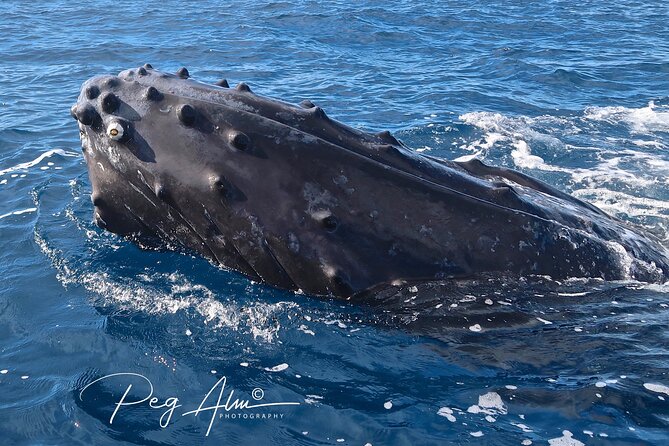
Whales feel close when you’re low on a paddleboard. This private SUP whale watch pairs all-skill instruction with time on the Wailea-Makena coast in the Hawaiian Humpback Marine Mammal Sanctuary, and I like that it keeps the experience calm and personal. I also love that you get a guide who can add local context, including Hawaiian history shared by guides like Brittany, while you look for humpback whales from the water. The one real consideration: good whale viewing depends on conditions, and the tour requires good weather, so it may be rescheduled if conditions are poor.
With a price of $189 per person and about 2 hours on the water, you’re paying for more than a scenic paddle, you’re paying for a private setup and hands-on help while you search in a protected area. It’s designed for mixed skill levels too, so it can work well if you’re confident, but your friend is brand new. Your start point is Makena Landing Park, and it finishes back there.
Key highlights you should care about
- Private tour pacing with only your group, so you are not squeezed into a crowd
- Beginner-friendly lesson included, so you can learn basics and still join the whale search
- Makena Landing Park launch point on Maui’s south coast area
- Search in the Hawaiian Humpback Marine Mammal Sanctuary, where the whales are a focus
- Instruction plus Hawaiian history, with guides like Brittany mentioned for teaching and context
Why a private SUP whale watch in Makena makes sense
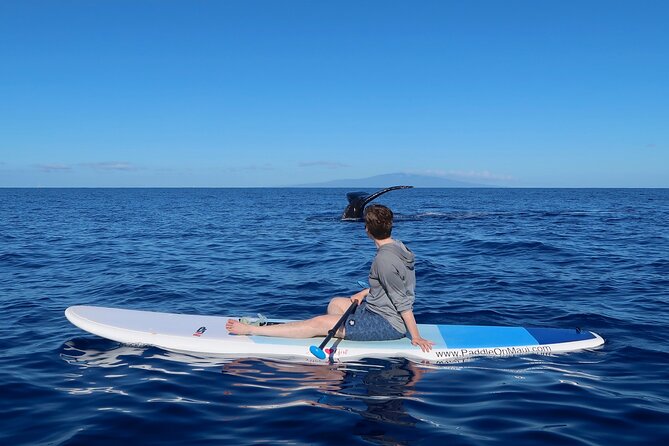
If you’re choosing between a boat tour and something from the water, a paddleboard whale watch has a certain logic. You’re quieter. You’re lower. And you’re in control of your position. Instead of watching from above the surface, you are part of the scene, moving at a human pace alongside your guide as you scan for Hawaiian humpback whales.
This tour is built around that idea, but with a key comfort factor: it’s not a do-it-alone situation. You get a lesson so beginners can participate, and because it’s private, you can go at your pace. That matters, especially in water sports where nervous paddling can snowball fast. A guide who stays with you the whole time helps keep things smooth and safe, so the whale watching remains the main event.
The private angle is also where the value starts to show. At $189 per person for about 2 hours, you’re paying for focused attention rather than a mass-group format. You also get the flexibility to match different comfort levels, since mixed skill levels are not just allowed but encouraged. In other words, you do not need everyone to be an experienced paddler.
More Maui tours, island days, and ocean experiences


Getting to Makena Landing Park and starting well
The meeting point is Makena Landing Park, 5083 Makena Rd, Kihei, HI 96753, and the activity ends back at the meeting point. That end-to-end simplicity is underrated. When a tour starts and finishes in the same place, you can plan your day more cleanly, whether you are pairing it with beach time or a meal in Kihei.
Makena Landing Park is also the kind of location where a launch feels straightforward. You’re not bouncing around multiple stops, and you’re not dealing with long transfers. The tour is described as near public transportation, which is helpful if you are not driving or you’re trying to keep logistics easy on Maui.
One more practical note: the tour calls for moderate physical fitness. That doesn’t mean “athlete only,” but it does mean you should be ready to paddle steadily for roughly 2 hours. If you know you get tired easily, plan for a slower pace and focus on technique early, especially if you are new.
The “whale search” part: what you’re actually doing at sea
Once you’re set up, you spend time searching along the Wailea-Makena coast with a focus on Hawaiian humpback whales. The tour specifically references the Hawaiian Islands Humpback Whale National Marine Sanctuary area, described as the heart of the sanctuary. That wording matters, because it signals you are not just cruising randomly and hoping for sightings. The search is oriented toward a protected zone where whale viewing is the point.
What does that look like from your perspective? You’re scanning the water surface while you paddle, staying aware of your spacing and your balance. Your guide is right there with you, and the goal is to keep the experience engaging even when the whales do not pop up immediately.
A key consideration, and I say this up front because it affects your expectations: sightings are never a guaranteed product. Even when the operator is doing everything right, whales move on their own schedule, and ocean conditions matter. The tour also requires good weather, and poor conditions can trigger a change of plans. So if you are booking on a tight itinerary, build in a little flexibility.
Stop by stop: what each moment is for
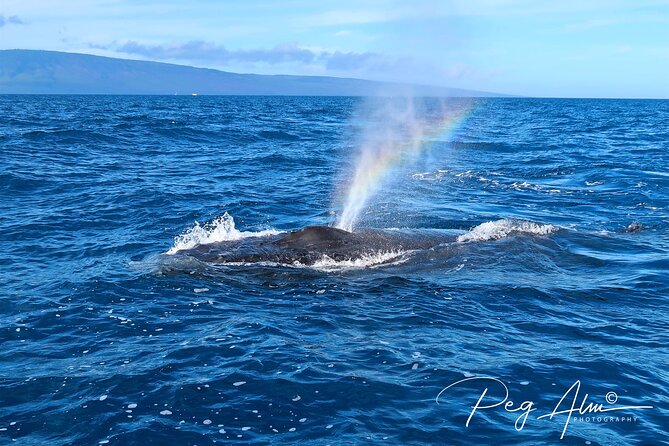
Makena Landing Park (your launch and lesson moment)
The first stop is Makena Landing Park. This is where the experience earns its beginner-friendly promise. The tour description specifically says private tours include a lesson, and mixed skill levels are okay and encouraged. That combination usually means you’re not thrown onto a board and told to figure it out.
A good lesson at the start changes everything. It gives you a baseline for how to paddle, how to stay balanced, and how to move without fighting the board. It also helps you relax, which is crucial for whale watching. If you are tense, your paddling becomes jerky, and that is the opposite of what you want when you’re searching quietly for marine life.
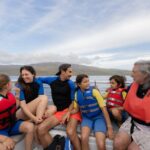

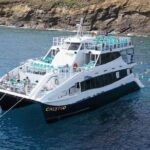
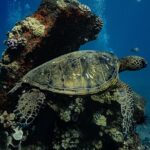


Hawaiian Islands Humpback Whale National Marine Sanctuary (the viewing focus)
The second stop is in the Hawaiian Islands Humpback Whale National Marine Sanctuary area. This is the core of the tour, the reason you are on a SUP in the first place. Your guide leads the whale search along the Wailea-Makena coast, and your job is to paddle, listen for cues, and keep your eyes open.
There’s also a subtle benefit here: you can feel why this matters. The tour is explicitly framed around the sanctuary setting, so it’s not just “nice scenery.” It’s a purposeful location tied to the whales you’re hoping to see. That makes the paddle feel like a real hunt, not a random outing.
The drawback is simple: the ocean decides some of your pace. Even with a private tour, you still have to deal with real conditions. That’s why the operator flags good weather as required. If conditions are not right, rescheduling becomes the plan.
Private by design: the difference between being “guided” and being supported
Most whale watches tell you to show up, hold on, and look around. This one leans into coaching and control. It’s a private tour, so only your group participates, and the description is clear that you go at your pace. That can sound like marketing, but it matters in practical ways.
If you are brand new to paddleboarding, the included lesson helps you build confidence before the search gets more focused. If you are intermediate, you still benefit from the guide staying close and helping you fine-tune technique. And if your group has mixed experience, the tour is structured to handle that. That means you can go together without one person feeling stuck behind or everyone getting frustrated waiting on a single learner.
This is also where guides like Brittany get praised. One write-up highlights that Brittany combined paddling instruction with Hawaiian history. Even if your group is not there for a lecture, local context can make the time feel more meaningful. It shifts the trip from “I saw a whale” to “I understood where I am and what I’m looking at.”
What “2 hours” feels like on a SUP whale watch
The tour duration is about 2 hours. On paper, that seems manageable. On the water, it’s long enough to get into rhythm, but not so long that you’re dragging your energy for the whole day.
For first-timers, 2 hours is also the sweet spot where you can learn basics and still have time to enjoy the search. The lesson comes early, then the whale viewing portion becomes a moving target. Your brain stays engaged, and you avoid the pattern where you spend half the time learning and the other half waiting.
Also, because the tour ends back at the meeting point, you can plan the rest of your day without adding extra travel complexity. That’s a real convenience when Maui days can feel packed.
Pricing and value: is $189 per person worth it?
Let’s talk money in plain terms. $189 per person for a roughly 2-hour private SUP whale watch is not a budget activity. But it also does not price itself like a mass experience either. You’re paying for three main value drivers that are clearly stated:
- Private tour format (only your group participates)
- Lesson included for all skill levels
- A targeted sanctuary search focused on Hawaiian humpback whales
When a tour includes instruction and private pacing, it usually costs more because the guide time is real and the setup takes effort. Here, that cost is bundled into the price you pay, which makes the “value” side easier to justify.
And because this is described as space limited, the higher price can also reflect demand. If you want a more personal experience and you’re traveling with someone who does not paddle often, the private structure can end up being more efficient than trying to piece together separate lessons, rentals, and group tours.
Who should book this (and who should consider another style)
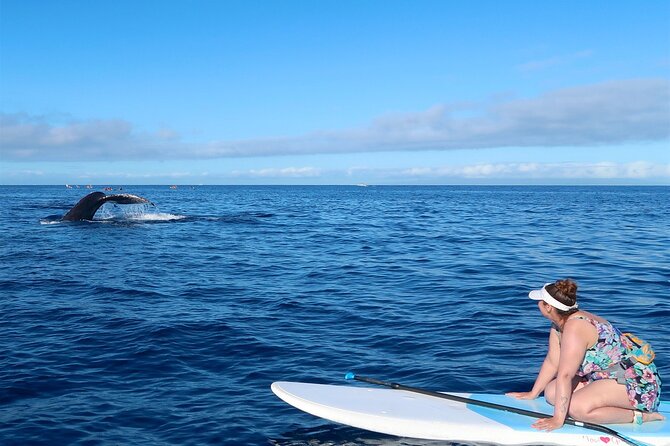
I think this tour fits best if at least one of these is true:
- You want a private, relaxed outing rather than a crowded group paddle
- You have mixed skill levels in your group, and you want everyone to participate
- You want a lesson included, not a “good luck out there” situation
- You care more about the water-level experience than just seeing whales from far away
If you’re someone who gets seasick easily, or you are not comfortable with moderate physical activity, you may want to think twice. The tour requires moderate fitness, and it also requires good weather. That combination means it will not work as a casual, sit-and-snap-photos option.
Also, if your entire schedule is rigid and you cannot flex for weather-driven changes, build in a backup plan. When a tour depends on good conditions, rescheduling can become necessary.
Booking timing: why planning ahead helps
On average, this experience gets booked about 71 days in advance. That’s a useful sign. It suggests limited space and steady demand for a private whale watch from a paddleboard.
If you’re traveling during a popular season or you have a specific date in mind, I recommend booking early. The tour itself notes space is limited, and booking ahead gives you a better shot at your preferred day and time.
A practical way to set expectations for your whale watch
When you paddleboard for whales, you’re choosing a “chance to see” experience, not a guaranteed checklist. Here’s how I’d set expectations so you enjoy it either way:
- Treat the lesson and technique as part of the experience, because that’s what lets you scan effectively.
- Remember that your guide is guiding your paddle and your search in the sanctuary area, but whales are still animals with their own timing.
- Keep your schedule flexible enough to handle weather requirements, since the tour needs good conditions to run.
If you go in with that mindset, the day tends to work out more smoothly. Even if sightings are slow, you’re still getting time on Maui’s south coast and a very hands-on SUP experience guided at every step.
Should you book Paddle On! Maui Private Tours?
Yes, I’d seriously consider booking if you want a private, coach-led SUP experience that includes a lesson and focuses on whale watching in the sanctuary area. At $189 per person for about 2 hours, it’s priced like a premium small-group activity, and the value comes from instruction plus private pacing, not just the view.
Book it with confidence if your group includes beginners or mixed skill levels, since the tour is explicitly designed for that. Add flexibility if you are traveling on a tight calendar, because good weather is required and the activity may need to shift if conditions are not right. And if you want extra local flavor, keep an eye out for guides like Brittany who are praised for sharing Hawaiian history along with paddling instruction.
FAQ
What is the duration of the private SUP whale watch?
The tour is approximately 2 hours.
Where does the tour start?
It starts at Makena Landing Park, 5083 Makena Rd, Kihei, HI 96753, USA.
Is this a private tour?
Yes. It is a private tour/activity, and only your group will participate.
Do beginners need experience paddleboarding?
No. A lesson is included, and all skill levels are welcome, including beginners.
What language is the tour offered in?
The tour is offered in English.
What if the weather is poor?
This experience requires good weather. If it is canceled due to poor weather, you will be offered a different date or a full refund.
What is the cancellation policy?
Free cancellation is available. You can cancel up to 24 hours in advance of the experience for a full refund. Canceling less than 24 hours before the start time is not refunded.
More Workshops & Classes in Maui
More Tour Reviews in Maui

Not for you? Here's more nearby things to do in Maui we have reviewed


Maui Whale Watching Tours, compared.
 ★ 5.0Maui Eco-Raft Tour: Eye-Level Whale or Dolphin Watching – LahainaFrom $852,482 reviews
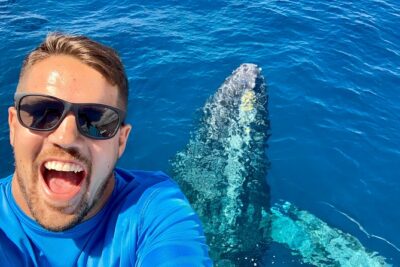 ★ 4.5From Maalaea: Whale Watching Tour Aboard the QuicksilverFrom $491,461 reviews
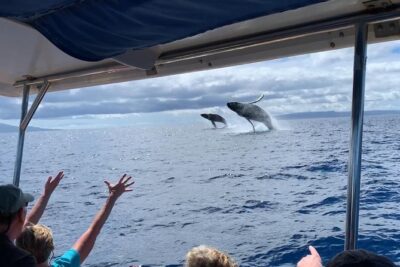 ★ 5.0Ultimate Whale Watch from LahainaFrom $771,162 reviews
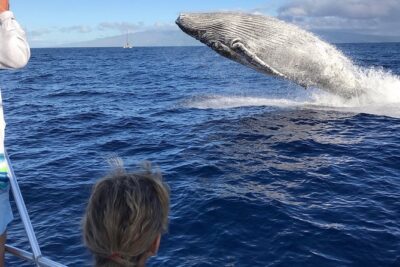 ★ 5.0WHALES GUARANTEED Maui Whale Watching Makai AdventuresFrom $971,081 reviews
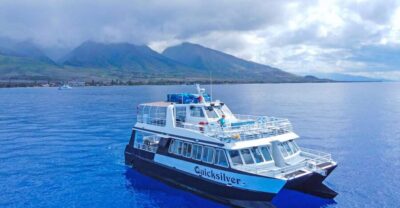 ★ 4.6Ma’alaea Harbor: Whale Watching Tour Aboard Power CatamaranFrom $49979 reviews
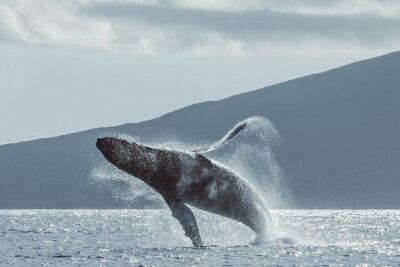 ★ 5.0Whale Watching Cruise with Open Bar from Ka’anapali BeachFrom $115802 reviews
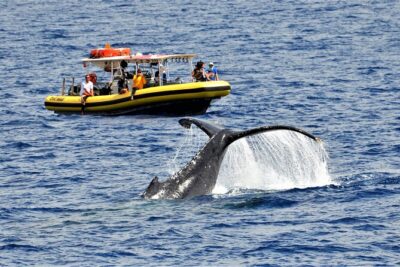 ★ 5.0Whale Watching Maui: 2-Hour Small Group Raft Tour from LahainaFrom $80661 reviews
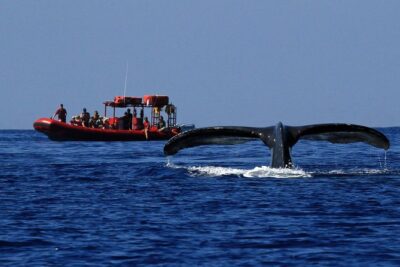 ★ 5.0Maui Whale-Watching Tour by Raft from KiheiFrom $84646 reviews
Browse the lists this tour appears in