
Reviewed · MAUI WHALE WATCHING TOURS
Maui: Whale Watching Tour – 1.5 hours
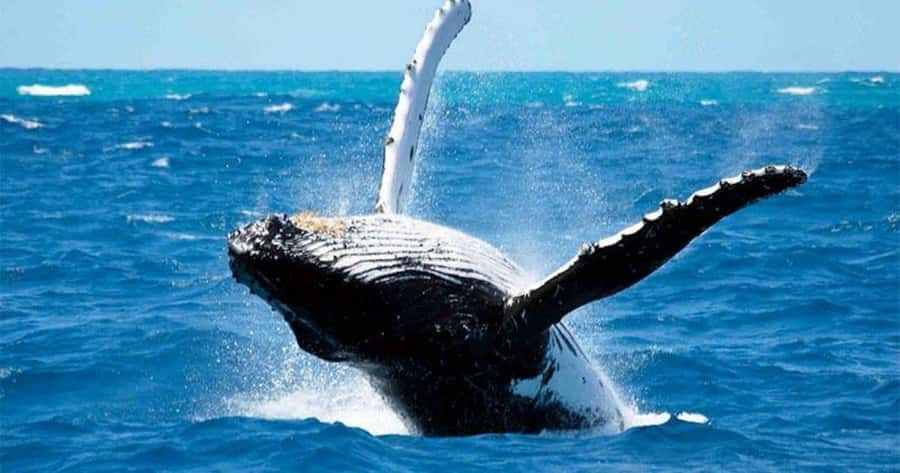
Whale songs start the trip. I like that this guaranteed whale sighting tour from Kihei pairs close viewing within 100 yards with a hydrophone sound system so you can hear humpback calls, not just spot them. The ride is built for comfort, and the south shore timing helps you get real whale time, not just a quick pass by.
One consideration: this boat tour is not suitable for pregnant women or for people with back problems, since you’ll be out on the water during a 90-minute outing. Also, you’ll want to plan for early check-in, 30 minutes ahead of departure.
Key points at a glance
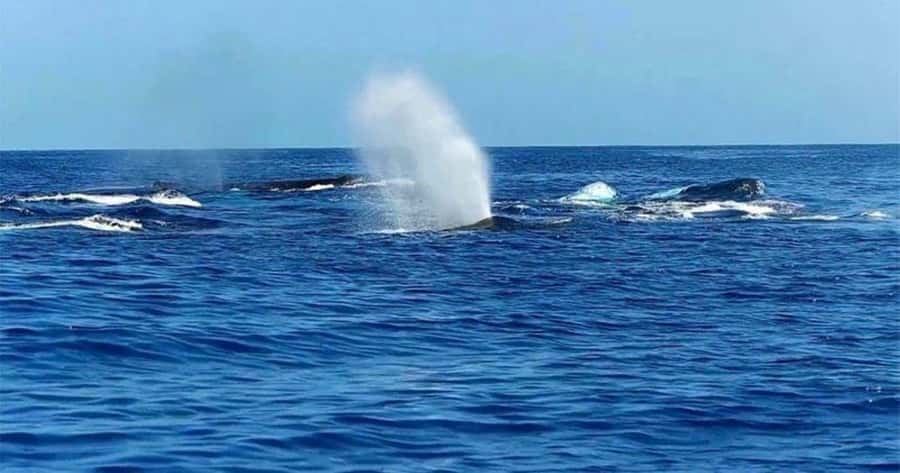
- Guaranteed humpback spotting (or the next ride is free), so you are not gambling with your time.
- Hydrophone listening lets you hear whale song through a dedicated sound system.
- Close viewing within 100 yards gives you a better chance at memorable, clear sightings.
- Morning departures on Maui’s south shore tend to mean calmer water for a smoother trip.
- Easy access from Kihei Boat Ramp with free parking, about 10 minutes from many Kihei and Wailea resorts.
- A live English guide keeps the focus on the whales and what you are seeing.
Maui whale watching from Kihei: the setup that matters
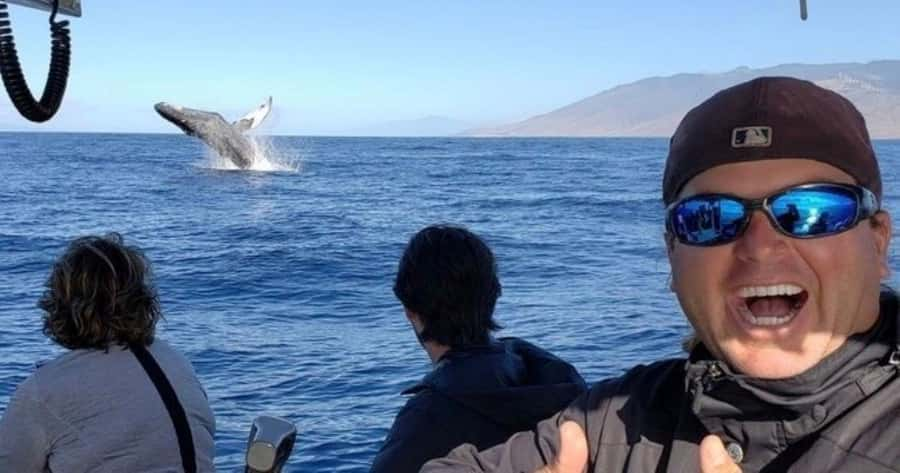
This is a 1.5-hour (90-minute) whale watch built for value and certainty. For $82 per person, the headline feature is the guaranteed whale watch approach, meaning you get either a whale sighting or the next ride is free. That matters because whale watching is one of those activities where the scenery is only half the story. The real product is time on the water with humpbacks, and this tour is structured to protect that.
Another thing I really like is the hydrophone sound system. Many whale trips give you the sight and then leave you guessing about the sound. Here, the sound is part of the experience, so you can connect the whale you see with the whale you hear. It is a small tech detail that makes a big difference when the sea is quiet enough to notice.
The tour runs with Blue Water Rafting, and the whole outing is guided in English. That sounds basic, but in Hawaii it helps you actually understand what you are looking at, especially when your guide is explaining things like whale behavior and what you might notice about juveniles.
You can also read our reviews of more tours and experiences in Kihei.



Where the tour starts: Kihei Boat Ramp and why it helps
The tour departs from the Kihei area, centered around Kihei Boat Ramp, with free parking on-site. The practical advantage is simple: Kihei and Wailea are close to each other, and the ramp is about 10 minutes from most Kihei and Wailea resorts.
If you have ever done a tour that starts farther away than you expected, you know how that can steal your best light and your best mood. Here, you spend less time in transit and more time where it counts, on the water with a real chance to spot humpbacks.
Also, the meeting and check-in flow matters. You check in 30 minutes prior to departure. Plan to arrive early enough that you are not rushing in flip-flops, sunscreen in hand, while everyone is already forming up.
What a 90-minute whale watch feels like on the water
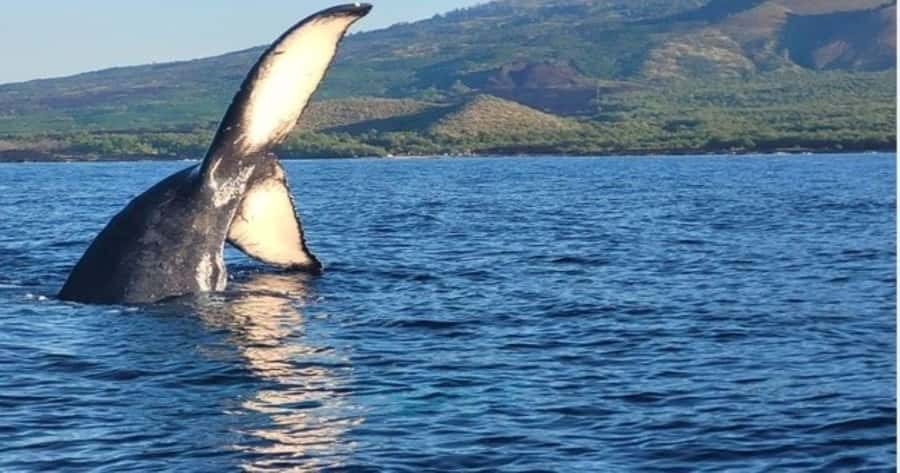
Think of the tour as three phases: getting out, finding whales, then settling in for viewing and listening.
First, you start from the boat ramp and head out into the calm-water area of Maui’s south shore. Morning departures are part of the design because the south shore tends to be calmer earlier in the day. That calm is not just for comfort. It helps you watch longer and hear more clearly through the hydrophone, since wind and chop are the enemies of both spotting and sound.
Second is the actual search phase. The tour is set up so you are not wandering around forever. Pods of whales are expected to show up quickly, and when they do, you get time to view and listen rather than racing past them.
Third is the close viewing window. The tour includes close encounters within 100 yards, which is where you start to get the real “wow” factor. At that distance, your camera framing gets easier and your guide can point out details you would miss from farther out.
Guaranteed whale sighting: what that really means for your plans
A guaranteed whale watch does two things for your trip planning.
It protects your schedule. If you are visiting Maui for a limited number of days, you do not want to waste one of those days on a maybe. Knowing you either see whales or the next ride is free lets you treat this like a core activity, not a gamble.
It also changes how you should prepare. Since you are committing to a specific outing, you should show up ready for the weather and the sea conditions. Bring what you need for the sun, hydrate, and dress for a light day even if it starts mild.
One more practical note from real-world experience on water tours: if there is a disruption at the dock, get clarity fast. One booking issue I found involved a day-of cancellation around boarding and a rescheduled situation that did not go as expected. That does not mean the trip is unreliable, but it does mean you should keep your phone charged, watch for day-of updates, and make sure you have clear confirmation for any change in time.
The hydrophone: hearing humpbacks is the secret upgrade
The hydrophone part is the biggest “upgrade your money buys” element of this tour.
Humpback whales are known for vocalizations, and with the hydrophone sound system, those calls come through in a way you can actually follow. In practice, it means you can look out at the surface activity, then switch attention to what your guide is playing through the speakers. It is a much more complete experience than just scanning for spouts.
This is also where morning calm helps. When the water is smoother, background noise is lower, and the whale sounds feel more distinct. You are not just relying on the whales to come close enough to see. You are also making it easier for the sound system to do its job.
If you like nature experiences that use your senses, this is built for you. If you prefer quiet sightseeing with minimal explanation, you will still get plenty of time for looking. The sound portion makes the listening feel like part of the trip, not a gimmick.
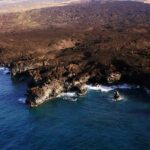
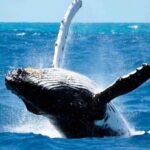
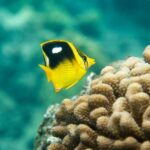
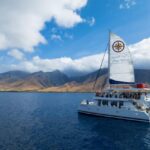
What you’ll likely see: humpbacks and young in Maui’s south shore waters
The south shore is the setting, and the target animal is the humpback whale. The tour focuses on spotting humpbacks and their young, including the kind of behavior often seen when whales are nursing.
That matters for two reasons.
First, juvenile sightings can be easier to connect with because you often notice movement patterns around adults. Your guide can help you interpret what you are seeing, instead of making it feel like random splashes.
Second, nursing-related behavior tends to happen when the whales are staying in an area longer. Longer presence usually means you get better viewing time. The tour is also designed so you should have ample time for observation and listening once pods are found.
Also, the experience is centered on real close contact within 100 yards. That does not guarantee perfect clarity for every camera shot, but it does mean the viewing odds are higher than tours that keep you far out.
Your guide’s role: facts without turning it into a lecture
A good whale guide walks a line: share enough to make you smarter in the moment, but not so much that you stop watching.
On this tour, you get a live English guide who explains what you are seeing and adds context about humpbacks. From what people describe, the best parts are the whale facts that stay tied to the sightings, like how migration patterns relate to what you might be observing, and what nursing or young behavior can look like on the water.
For you, that translates into a more “in the moment” experience. You are not waiting for an interesting talk. You are listening while you watch, and you can compare your observations to the guide’s explanation in real time.
Boat ride comfort and safety: what to expect from the operation
This outing is built around a comfortable and safe ride on a fast, convenient boat. That “fast” part is practical. The quicker you can reach areas where whales are likely, the less time you spend doing the least fun thing on a boat: waiting for something to happen.
The tour also includes extra time between tours for safety and compliance with federal regulations. That detail sounds operational, but it can be a comfort factor. It suggests the company is not rushing turnaround.
Still, be realistic about motion. Even calm mornings can include some swell. You will be better off if you dress for it and keep your expectations tied to the fact that whale watching is on the water, not a dockside viewing.
Not allowed on the boat is smoking, and you also cannot feed animals. Simple rules, but they protect wildlife and keep the experience cleaner.
What to bring (and what to leave in the bag)
Bring items that help you enjoy the full 90 minutes without turning it into a chore.
You’ll want:
- Hat
- Camera
- Sunscreen
- Water
That list is refreshingly specific. You are out in open sun for a short window, and glare can be intense. A hat and sunscreen are not optional. Water matters because the sun and breeze can trick you into drinking less than you think.
If you wear sunglasses, you might find them handy for spotting activity on the surface. For your camera, consider that “close within 100 yards” is close enough for framing, but still far enough that zoom and stabilization can matter.
Who should book this Maui whale watch, and who should skip it
This tour is a strong match if:
- You want a high-confidence outing with a guaranteed whale sighting option.
- You care about hearing whale song via a hydrophone, not just snapping photos.
- You are staying around Kihei or Wailea and want easy access from Kihei Boat Ramp with free parking.
- You prefer a shorter, focused tour at 90 minutes rather than an all-day excursion.
It is not a match if:
- You are pregnant or you have back problems, since the tour is listed as not suitable for those situations.
- You are expecting a fully static, gentle experience with no movement. This is a boat outing, even with morning calm conditions.
If you are traveling with older kids, you might find this works well because it stays focused on a single goal, whales. It also gives you a sound experience, which helps make the viewing more engaging.
Price and value: is $82 a good deal?
At $82 per person for 1.5 hours, the value comes down to what you get besides “we went out and looked.”
Here’s what you are paying for:
- A guaranteed whale sighting or a free next ride
- Hydrophone sound system for whale calls
- Close encounter within 100 yards
- A guided experience in English
- Morning-friendly conditions on Maui’s south shore
If you have ever paid for whale watching that felt uncertain, the guarantee can justify the price. You are buying a better chance at both the visuals and the audio experience, and that is the difference between “we tried” and “we got it.”
Also, free parking at the Kihei Boat Ramp is a small but real value add. If you are staying in the Kihei and Wailea area, it reduces logistics friction, which makes the day feel smoother.
The day-of checklist that makes the tour better
You can’t control whale behavior, but you can control how prepared you feel.
Plan to:
- Arrive at check-in 30 minutes early
- Bring your hat, sunscreen, and water
- Charge your phone and confirm you have your booking details ready
- Dress for bright sun and wind, since you will be outside the whole time
- Keep expectations flexible for sea conditions, while trusting the morning calm approach
And if anything changes at the dock, move quickly. Ask questions and get confirmation on your reschedule plan right away. That kind of calm, no-panic approach helps in the rare cases where operations shift.
Should you book this Maui whale watching tour?
Yes, you should seriously consider booking if you want a short, focused whale watch from Kihei with a guaranteed sighting and the bonus of hearing whale calls through a hydrophone. The combination of close viewing within 100 yards, morning-friendly conditions, and free parking makes it a solid value, especially if you are staying in the Kihei or Wailea area.
Skip it if boat time is a problem for you due to the listed limitations, like pregnancy or back issues. And do yourself a favor by showing up early and staying alert for day-of updates, so you are not scrambling if plans shift.
If your goal is humpbacks, real viewing time, and whale song you can actually hear, this is one of the more complete 90-minute options on Maui.
FAQ
How long is the Maui whale watching tour?
The tour lasts about 1.5 hours, which is 90 minutes.
Where does the tour depart from, and is parking available?
It departs from the Kihei area, with departures tied to the Kihei Boat Ramp. Free parking is available at the Kihei Boat Ramp.
Is whale spotting guaranteed?
Yes. The tour is described as a guaranteed whale watch, or the next ride is free.
Does the tour include whale sounds through a hydrophone?
Yes. A hydrophone sound system is included so you can listen to the whales.
What should I bring?
Bring a hat, camera, sunscreen, and water.
Is the tour suitable for pregnant women or people with back problems?
No. The tour is not suitable for pregnant women or for people with back problems.
More Tours in Kihei

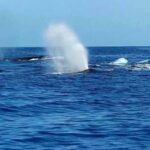
More Tour Reviews in Kihei
Not for you? Here's more nearby things to do in Kihei we have reviewed
Maui Whale Watching Tours, compared.
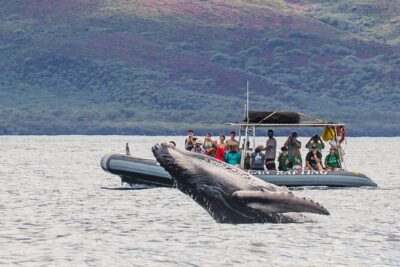 ★ 5.0Maui Eco-Raft Tour: Eye-Level Whale or Dolphin Watching – LahainaFrom $852,482 reviews
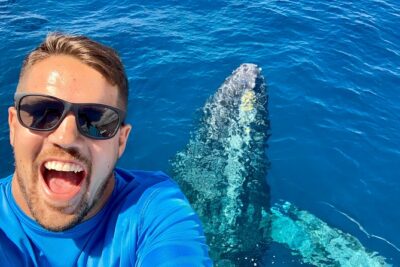 ★ 4.5From Maalaea: Whale Watching Tour Aboard the QuicksilverFrom $491,461 reviews
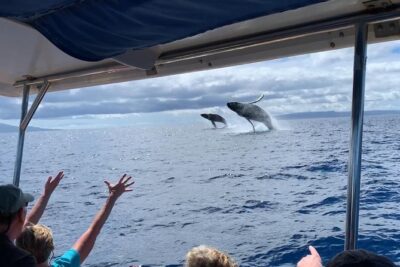 ★ 5.0Ultimate Whale Watch from LahainaFrom $771,162 reviews
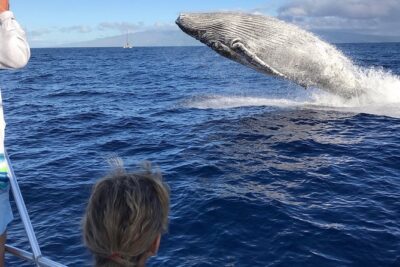 ★ 5.0WHALES GUARANTEED Maui Whale Watching Makai AdventuresFrom $971,081 reviews
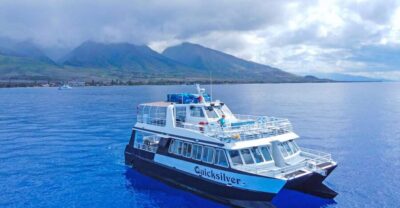 ★ 4.6Ma’alaea Harbor: Whale Watching Tour Aboard Power CatamaranFrom $49979 reviews
 ★ 5.0Whale Watching Cruise with Open Bar from Ka’anapali BeachFrom $115802 reviews
 ★ 5.0Whale Watching Maui: 2-Hour Small Group Raft Tour from LahainaFrom $80661 reviews
 ★ 5.0Maui Whale-Watching Tour by Raft from KiheiFrom $84646 reviews
Browse the lists this tour appears in