
Reviewed · MAUI SURF LESSONS
Maui: Surf Lessons for Families, Kids, and Beginners
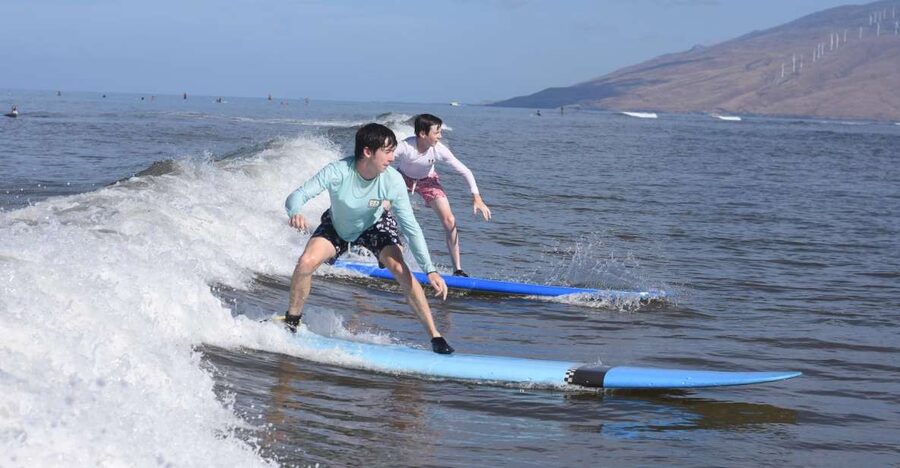
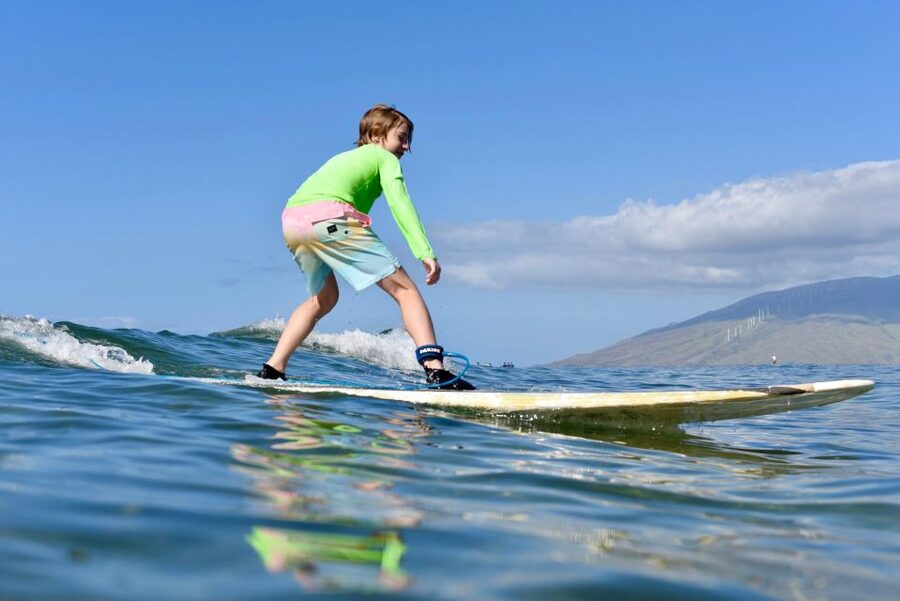
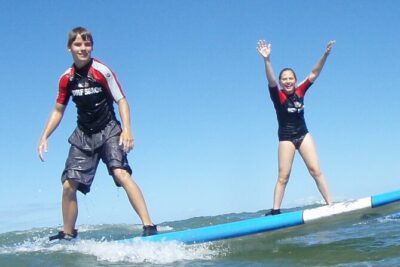
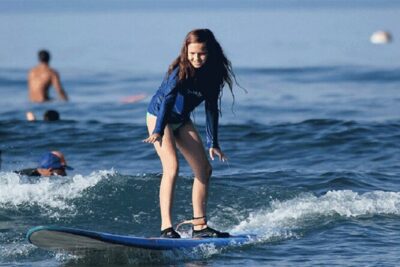
Maui water is the best classroom for surf skills. This 2-hour family surf lesson is built for kids, beginners, and first-timers, with patient, encouraging coaching at one of Maui’s easier-learning spots. I especially like that you get a full land lesson on safety and pop-up technique before you hit the waves, plus all the gear you need. One thing to plan for: surfing is physical, and falls happen, so you will want to follow the guidance about how to fall safely near coral.
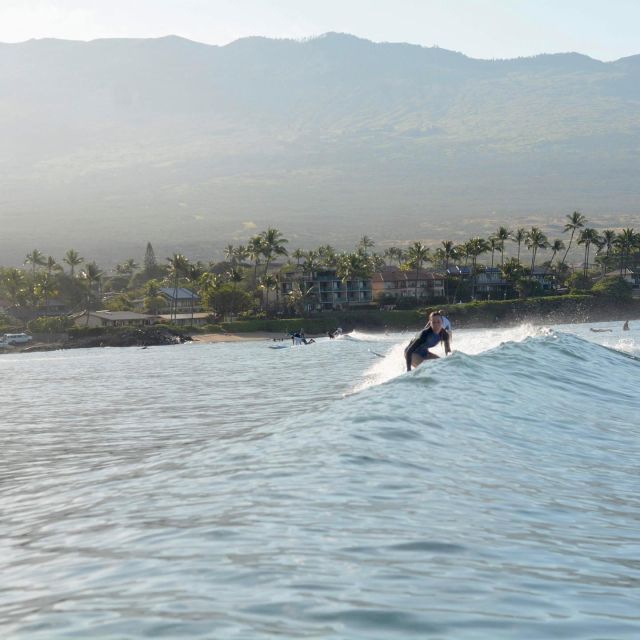
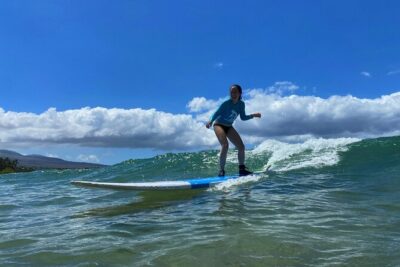
The lesson runs in the mornings near Wailea, at Kihei’s Kalama Park, which gives you a semi-shallow setup and a gentle break that helps beginners progress faster. You can also relax while you wait, since the park has a grassy area for watching, plus restrooms, an outdoor shower, a walking path, and a playground. If you are coming from further west, just leave extra buffer for Maui traffic and road delays.
Key things I’d focus on before you go
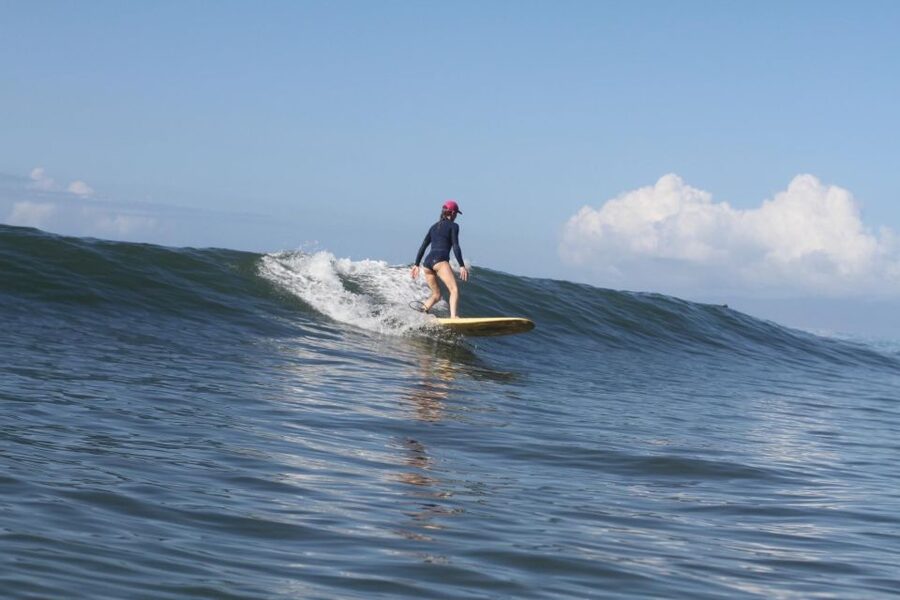
- Kalama Park near Wailea: semi-shallow water and a gentle break make it beginner-friendly.
- Land lesson first: safety rules and pop-up technique come before you paddle out.
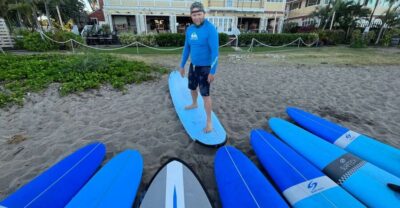
- All equipment included: board, reef shoes, and a rash guard are provided.
- CPR-certified, English-speaking coaching: you learn with an instructor who’s trained for safety.
- Private group format: your family works with your own instructor.
- A viewing-friendly park: grassy shoreline watching, restrooms, and a nearby food scene across the street.
Why Kalama Park near Wailea is where beginners start strong
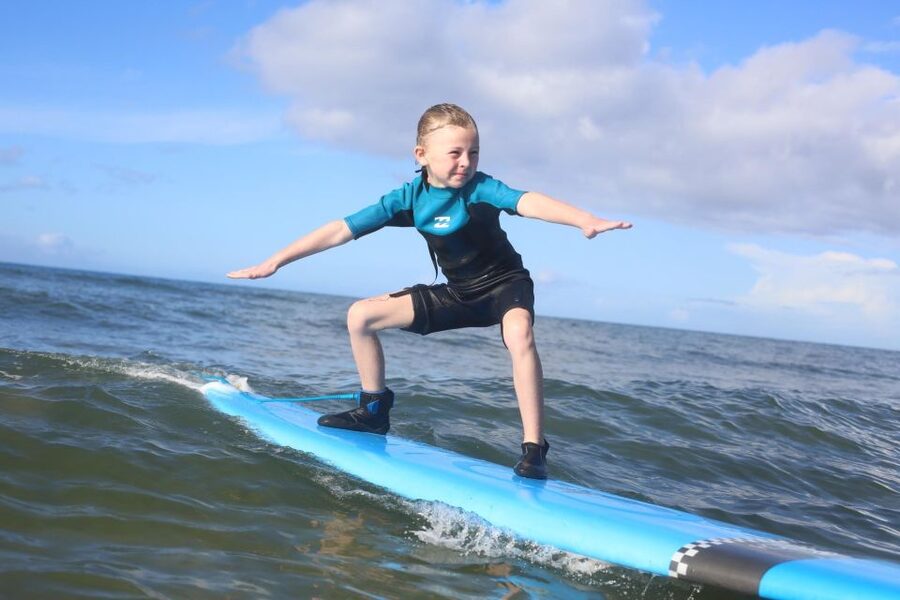
Choosing the right first surf spot matters more than people think. This lesson is based in Kihei at Kalama Park, just a short drive from the Wailea area. The big reason it works for first-timers is the water setup. You get semi-shallow conditions and a gentler wave break, which means you spend more time actually riding and less time fighting for position.
Kalama Park is also practical for families. There’s a large grassy area where friends and family can watch from shore. That is huge when you have kids who get nervous at the water edge, or adults who want to focus on the lesson without needing to “do everything” at once. On-site you will also find public restrooms, an outdoor shower, and a beachfront walking path. Across the street, there are little cafes or food trucks, so you can turn this into a smooth morning routine and not a logistical headache.
More Maui tours, island days, and ocean experiences

The 2-hour lesson flow: land safety, then first waves
This is a true beginner sequence, not just a board handoff. You check in at the surf van, then your instructor helps you get equipped and ready to go into the water. The lesson structure keeps you moving, but it also slows down at the right moments.
First, you do a land lesson. This is where you learn:
- Basic safety expectations
- Pop-up technique (the quick move from lying to standing)
- How to handle falls safely
Then you head into the water. Beginners usually overestimate how fast they will “figure it out.” The land coaching helps you get the hardest part out of the way before you paddle. It also gives you something to focus on once you’re in the ocean, like committing to the pop-up motion and staying aware of your surroundings.
If you want a simple way to think about it, the lesson is designed to reduce chaos. You practice the moves where you are stable and can hear instructions clearly, then you transfer that practice onto the waves. That reduces wasted time and helps kids and nervous beginners build confidence.
Gear is included, but your comfort still depends on your prep
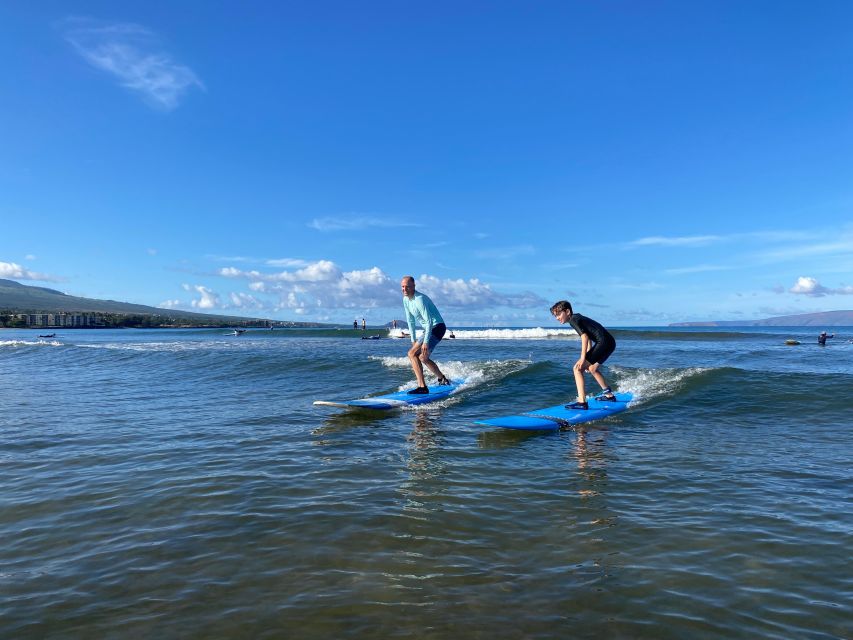
The lesson includes the gear that usually makes surfing feel out of reach: board, reef shoes, and a rash guard. That means you do not have to source equipment, and you start the lesson wearing something made for the water and the shoreline environment.
You still need to bring a few key items:
- A towel
- Biodegradable sunscreen
- A swimming suit
I like this setup because it keeps the experience straightforward. You can travel lighter and focus on getting ready at your own pace. Reef shoes and a rash guard also matter in Hawaii. You will want that extra protection as you move around the break and learn where falls can happen.
One more practical tip: pay close attention to the instructor’s safety reminders. In one family story, the instructor specifically emphasized how falling can lead to hitting coral, so you should take those instructions seriously rather than assuming it is just general “don’t do that” talk.
The coaching style that helps kids actually relax
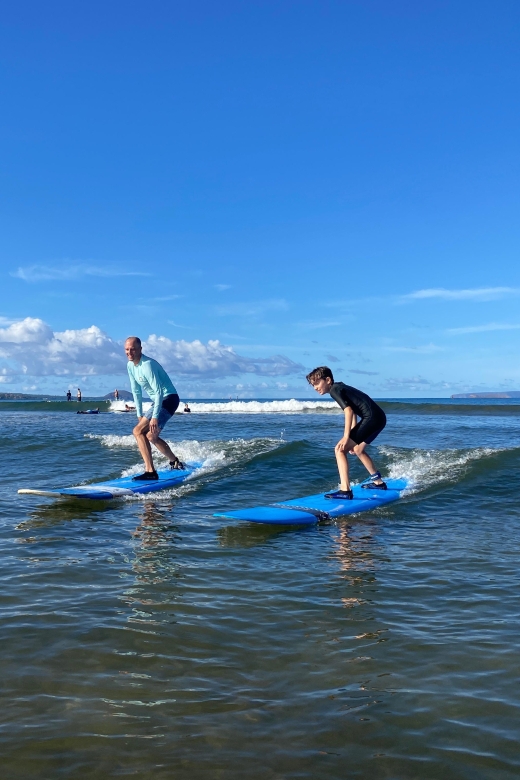
This lesson stands out for families because it is coached in a calm, structured way. The instructors are described as friendly, patient, and encouraging, which matters when your child is nervous or underestimates how physical surf can be.
An instructor named Eddie is specifically mentioned for tailoring lessons to the student, especially for a 5-year-old who was excited but apprehensive. That tailoring is the difference between a generic demo and a lesson that feels like it was built for your child.
Here’s what that kind of coaching usually looks like on the ground:
- Clear instructions you can understand quickly
- More encouragement when someone falls
- Adjustments based on what the student can physically do that day
- Respectful handling that keeps the mood positive
Even if you are an adult beginner, the same approach helps. You are still learning balance, timing, and paddling effort. When an instructor keeps the lesson supportive, you are more likely to keep trying after the first wipeout.
Also, the format is private group coaching with your own instructor. That means you are not competing for attention in a larger class, and kids can stay focused on the lesson instead of getting distracted.
Price and value: $172 for a lesson that includes the big costs
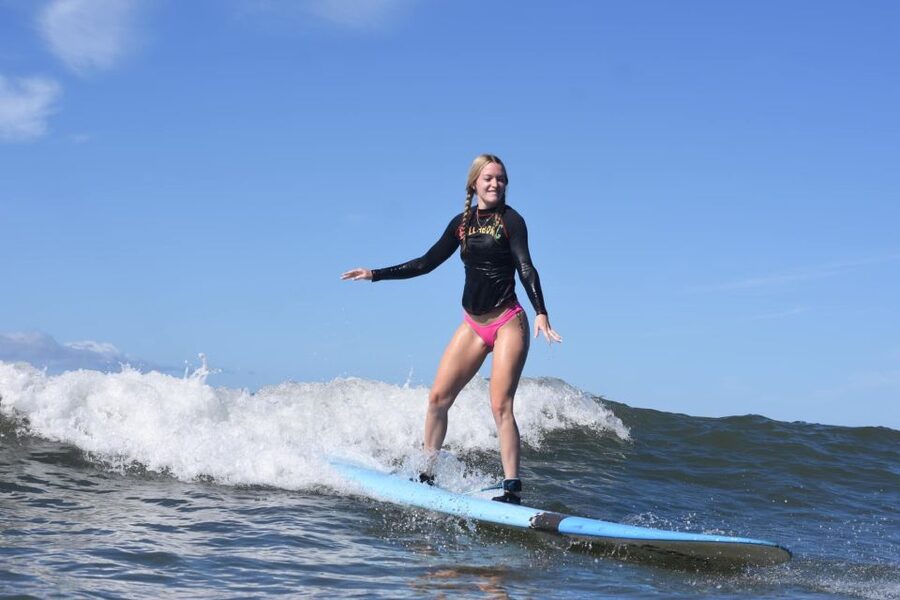
At $172 per person for a 2-hour lesson, the question is value. Here’s how I look at it for families.
You are not just paying for an instructor. The price also includes equipment (board, reef shoes, rash guard) and a dedicated coaching session for your family. That added value matters because buying or renting gear can add up fast, especially if you have kids who might need more frequent sizing swaps or replacements.
You are also getting a safety-minded setup. The lesson notes include a CPR-certified instructor. That does not mean the ocean is risk-free, but it does mean the people teaching you are trained for emergency response. For families, that extra confidence can be worth real money.
If you are comparing options, this is likely best when:
- You want a guided start, not trial-and-error
- You have kids and want patient coaching
- You would otherwise need to rent multiple pieces of surf gear
If you already have your own gear and feel comfortable in the basics, you might find cheaper alternatives. But if this is your first time, paying for the complete package usually saves time, stress, and decision-making.



Morning timing: why early usually makes the lesson easier
Surf lessons here run in the mornings, and the lesson guidance is to pick earlier when you can. Better morning water conditions can make the waves more manageable and the session feel smoother.
There’s also a family rhythm benefit. If you surf early, you often get your “adventure activity” done before the rest of the island day heats up or fills with plans. It can help you avoid the stress of squeezing a lesson late in the day when everyone is tired.
One small reality check: Maui roads can be slow, especially when you are coming from other areas. In one family case, the team stayed in contact when they were delayed, which helped them keep the plan moving. I recommend leaving extra time, even if your schedule looks close on paper.
What to expect once you arrive at Kalama Park
When you reach the parking area, look for the white van labeled WAVES HAWAII Surf School. Once you check in, your instructor helps you get your equipment ready to go in the water. That includes getting you into the right gear and making sure you understand how the first steps work.
From there, you will move through the land lesson, then transition into the water. Because it’s a family-focused surf lesson, you should expect a slower, teaching-oriented pace rather than a “go catch waves” free-for-all. The park setup supports that. If you are accompanying younger kids, you’ll have a place to wait and watch without standing in a tight crowd.
Who this surf lesson suits best
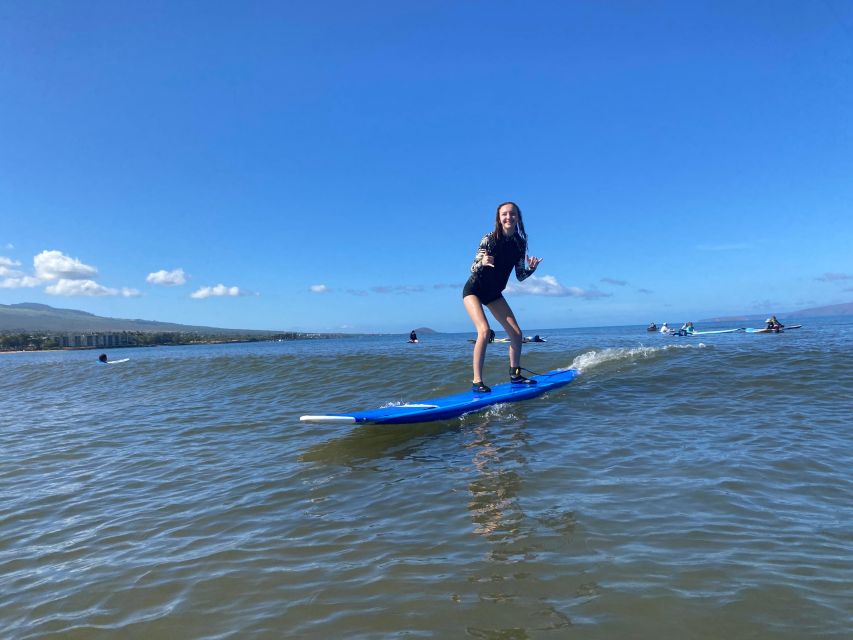
This is a strong fit if you are:
- Traveling with kids who need patience and clear steps
- New to surfing and want a beginner-friendly wave setup
- A family that wants to learn together with one instructor
It’s also a good choice for adults who are nervous about getting started. If you get anxious about balance or about looking foolish, a land lesson plus a supportive coach can help you get past that first mental block.
You might want a different plan if:
- Your group is mainly advanced surfers looking for expert barrels
- You do not have the mindset for falls and repetition
- You are hoping to cover a lot of technical progression in one session
Remember: this is a first-step lesson. The goal is learning to surf and progressing from the first rides, not becoming a lifelong expert by the end of two hours.
Should you book this Maui family surf lesson?
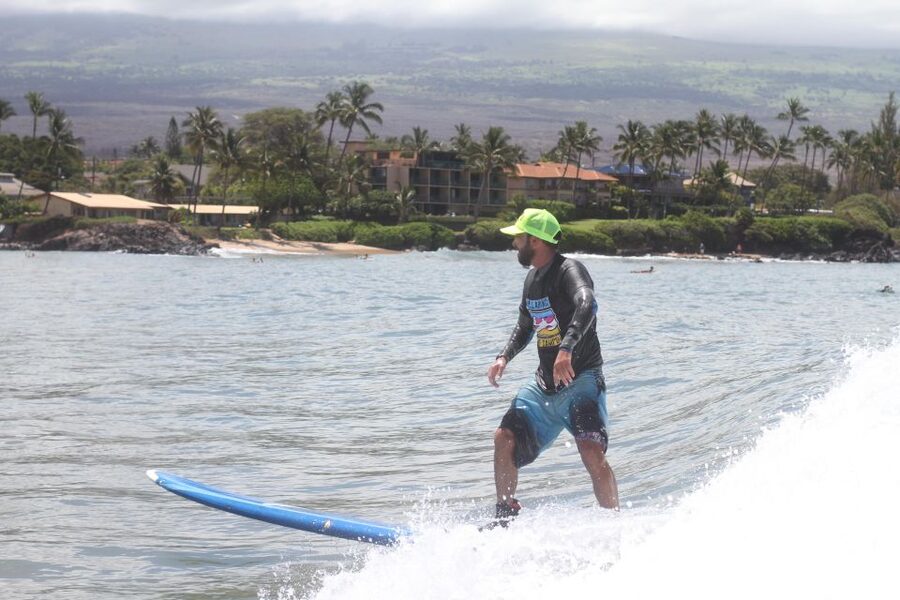
I’d book it if your top priority is a calm, structured start to surfing with gear included and an instructor who can support nervous beginners. The combination of Kalama Park’s semi-shallow, gentle break and the land lesson on safety and pop-up technique makes it a smart choice for families who want progress without chaos.
Skip it if you are looking for transportation to be included, or if you want an all-day surf trip with multiple locations. You will handle towel, sunscreen, and your swimsuit, and you will need to get yourself to Kihei.
If you want a morning activity that feels authentic to Maui and still works for kids, this is an easy “yes” to consider. Book early when you can, because morning lessons can fill up in peak travel season.
FAQ
How long is the Maui surf lesson?
The lesson lasts 2 hours.
Where is the meeting point?
You meet at the surf van at Kihei at Kalama Park, across the street from the 76 Gas Station and Kihei Caffe.
What’s included in the lesson price?
You get a surf instructor, a private lesson setup for your family with your own instructor, and all equipment including a surfboard, reef shoes, and a rash guard.
Do I need to bring a swimming suit?
Yes. A swimming suit is not included, so plan to bring one.
What should I bring besides my swimsuit?
Bring a towel and biodegradable sunscreen.
Is transportation included?
No. Transportation is not included.
Are the lessons for kids and beginners?
Yes. The experience is specifically described for families, kids, and beginners.
Is there a cancellation option?
Yes. You can cancel up to 24 hours in advance for a full refund.
Are the lessons taught in English?
The instructor language is English.
More Workshops & Classes in Maui
More Tour Reviews in Maui

Not for you? Here's more nearby things to do in Maui we have reviewed


Maui Surf Lessons, compared.
 ★ 5.0Two Hour Beginner Group Surf Lesson in KiheiFrom $98950 reviews
 ★ 4.5Outrageous Surf ScHool Lesson on Lahaina SideFrom $75547 reviews
 ★ 5.0Group Surf Lesson at Kalama Beach in KiheiFrom $108264 reviews
 ★ 4.9Maui Lahaina Group Surf LessonFrom $125235 reviews
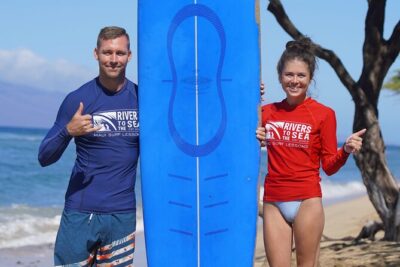 ★ 5.0Private Surf Lesson for Two Near LahainaFrom $145189 reviews
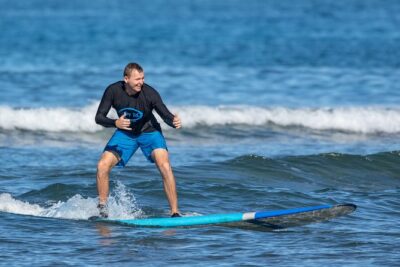 ★ 5.02 Hour Beginner Group Surf Lessons154 reviews
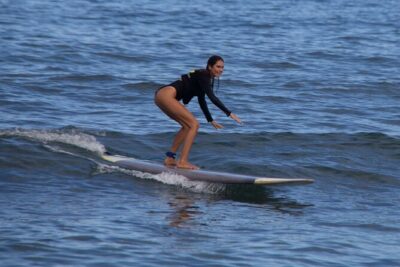 ★ 5.0Group Surf Lessons from Kaanapali BeachFrom $120143 reviews
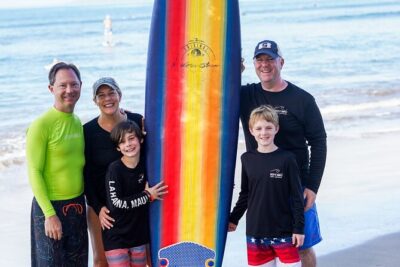 ★ 5.02 Hour Private Group Surf Lesson in Lahaina MauiFrom $125129 reviews
Browse the lists this tour appears in