
Reviewed · MAUI HELICOPTER & AIR TOURS
First Class Waterfalls of West Maui and Molokai Helicopter Tour
Maui looks different from 1,000 feet. What I love most is the first-class seating with floor-to-ceiling windows, and the Bose-grade noise-cancelling headsets paired with clear, 2-way communication. One practical catch: there’s a 240 lb weight limit, and if you’re over it you’ll need an adjacent empty seat for safe balance.
I like that the narration comes from a State of Hawai‘i Certified Tour Guide who is also the pilot, so the story stays accurate and tied to what you’re actually seeing. This is also a short, focused flight, about 50 minutes, so you spend your time looking out, not waiting around.
You’ll fly through West Maui’s rainforest valleys, knife-edged ridges, and waterfall country, then cross the Pailolo channel to Molokai for sea cliffs and the Kalaupapa area, before heading back along the Ka‘anapali and Kapalua coasts and ending with Pelekunu Valley.
Key highlights worth your attention
- Front-row first-class windows for nonstop views over West Maui’s valleys and waterfalls
- Bose Aviation-grade electronic noise-cancelling headsets plus 2-way headset communication with the pilot
- Pilot-guide narration from a State of Hawai‘i Certified Tour Guide, timed to the scenery overhead
- Small plane feel since the tour has a maximum of 2 travelers, so the experience stays personal
- Molokai contrasts hard: towering sea cliffs, the Kalaupapa community area, and remote bays like Pelekunu
First-class windows over West Maui’s waterfall country
This is a helicopter tour where the viewing setup actually matters. With floor-to-ceiling windows in the front seating area, you get a wall of glass facing the flight path. That changes everything. You don’t have to crane your neck around a pillar or hold your phone at weird angles just to frame the next view. You can relax your shoulders and keep your eyes on the valleys and ridges as they roll by.
West Maui’s terrain is made for this kind of transport. From the air, the “Valley Isle” nickname makes practical sense. You can see long, deep valleys cut by water routes and separated by sharp ridgelines that often hide their peaks in mist. The tour is built to take you through those splits, so you get a rhythm: valley, ridge, waterfall streams, then another valley opened up beneath you.
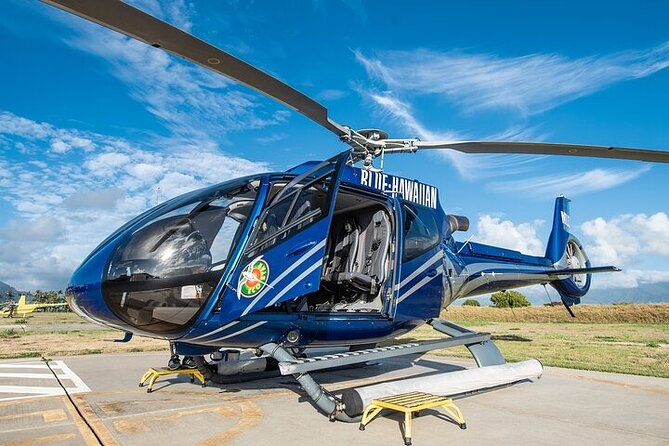
I also like that the experience leans comfort-forward. Blue Hawaiian aircraft are described as having modern materials, systems, safety features, and avionics, and that shows in how the ride feels. Add in the Bose electronic noise-cancelling headsets, and the cabin goes from loud and chaotic to something you can talk in without shouting.
If you need one takeaway, it’s this: the “first-class” part is not just a name. It’s about positioning, visibility, and the way your attention stays on the views.
More Maui tours, island days, and ocean experiences



A 50-minute flight with real guiding, not canned chatter
This isn’t a silent scenic ride. You’ll wear headsets and use microphones for 2-way communication with the pilot, and you’ll also hear commentary tied directly to the sights you’re flying over. The guide is also a pilot and is a State of Hawai‘i Certified Tour Guide, so you should expect more than generic spotting tips.
That matters because West Maui and Molokai are not one-note places. You’re seeing geography, but also history and culture connected to how people used the land and ocean. For example, you’ll hear about the ancient population centers you pass near, and you’ll get context around places like the ‘Iao Valley gateway areas. From up high, it’s easy to miss the “why” behind the “what.” The guide helps you keep that straight.
You’ll also get an after-flight treat: there’s an after tour video preview at the heliport. If you want the optional USB video and photo packages, you can purchase those after the flight. Bring a credit card for those add-ons.
One more practical point: because the experience is weather dependent, your exact timing can shift. In helicopter travel, wind and conditions can nudge what you see and how you see it. The tour still aims to hit key regions, but you should plan with flexibility in mind.
West Maui stops: from Kahului shoreline to Mauna Kahālāwai peak
Your flight starts near the shoreline and the economic heart of Maui, then moves toward the older population and valley gateway areas. Even though the stops are described as separate points, in the air they flow together as one continuous scenic story: coast, ridges, valleys, and the water routes that feed them.
Maui shoreline views near Haleakalā and the West Maui Mountains
Right at the start, you get coastline views plus big-picture context for where Haleakalā and the West Maui Mountains sit relative to West Maui valleys. This is the moment where I like to orient myself. Once you see how the mountains rise from the shore, everything that comes later makes more sense.
If you’re the kind of person who likes to understand geography while you watch it, this early framing helps. You can mentally “map” the rest of the route.
The ‘Iao Valley gateway area
Next is an area tied to ancient settlement patterns and functioning as a gateway toward the ‘Iao Valley and West Maui Mountain regions. From the air, valleys and water corridors do the storytelling. You’ll notice how the terrain funnels movement and how valleys protect access.
The guiding here is useful because otherwise it’s easy to just admire the views without connecting them to the human geography side of the islands. You learn how the land shaped where people gathered and how the valleys mattered.





Waihe‘e ridge lines and dramatic terrain
Then you’ll pass Waihe‘e, described as once a political and population center, with lush ridge lines that create dramatic “layers” from above. This is where ridges matter visually. They split clouds, hide peaks, and make the valleys look deeper than they do from the road.
A drawback to keep in mind: if mist or cloud sits in the wrong places, some peaks may blur. The guide can still help interpret what you’re seeing, but your photo results might vary.
Kahakūloa Bay and the West Maui Mountain Road feel
Kahakūloa Bay is next, noted as a remote former fishing village along the winding West Maui Mountain Road. From the helicopter, the bay’s shape and the way the ocean meets cliffs can be shocking in a good way. It’s remote, and you can see that remoteness from the flight path.
You’ll also get a sense of why West Maui’s roads feel winding and slow from the ground. The land forces that curve. From above, you can see the logic.
Mauna Kahālāwai, the highest peak you’ll see on this side
You’ll then pass the highest peak of Mauna Kahālāwai in the West Maui Mountains. At this point, the route is moving from “settlement and coasts” into “upper terrain.” The views can feel more open and more vertical.
This is also a moment to watch for weather changes. Higher elevations can mean faster mist movement, which can either hide detail or add mood. Either way, your guide can help you interpret what you’re looking at.
Crossing the Pailolo channel to Moloka‘i’s Kalaupapa and sea-cliff power
After West Maui’s valleys and waterfall country, the route shifts to the ocean space between islands. The flight “connects” Maui and Moloka‘i by crossing the Pailolo channel, and you can feel the change immediately.
Moloka‘i is a different world from the air. It’s famous here for the world’s highest sea cliffs and for remote valleys. The route also includes the Kalaupapa community area, which is best understood as a place with real cultural and historical weight, not just scenery.
Moloka‘i’s sea cliffs and the Kalaupapa community area
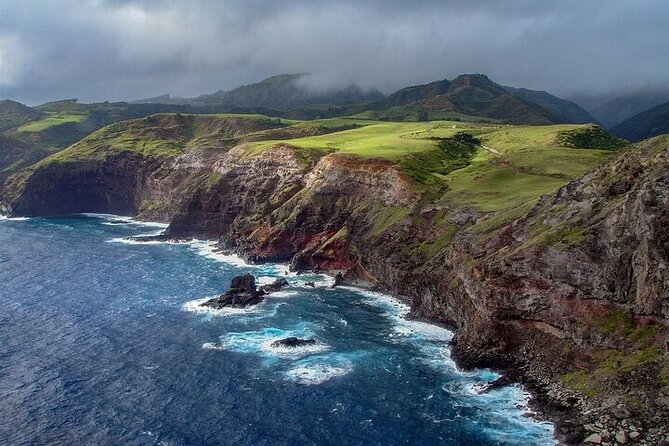
When you reach Moloka‘i, the big wow factor is the cliff scale. The tour highlights Moloka‘i as home to the world’s highest sea cliffs and the Kalaupapa community. From the air, you can see why this coastline has a reputation. The drop is steep and dramatic, and the ocean texture below can look almost patterned.
This is where the guide’s certification helps. You’ll get more than landmarks. You’ll get context that keeps the flight grounded in what these places mean.
The famous Pelekunu Bay entrance and Pelekunu Valley stream area
Later in the route you’ll pass Pelekunu Bay, described as marking the entrance to Pelekunu Valley. The tour specifically calls out one of Hawai‘i’s last remaining free-flowing streams and uniquely preserved ancient Hawaiian fauna.
I like this stop because it reminds you the islands aren’t just rock and ocean. Some of the most important changes happen in the small places where water still runs. Even if you cannot identify every species from the air, you understand why this valley matters.
A photo note: wear dark clothing so you don’t create bright reflections in the window. If you’re planning to take photos, this tip is small but real.
Ka‘anapali and Kapalua from above, the resort coast with actual character
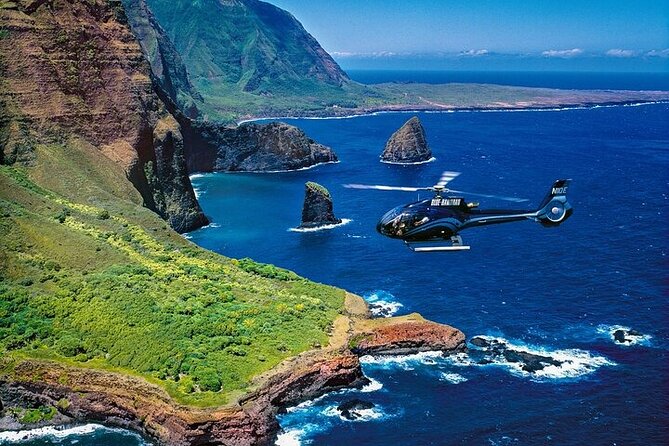
On the return side of the route, you’ll fly past the Ka‘anapali and Kapalua coastlines. The tour frames Ka‘anapali as one of Maui’s premier resort areas, and it also calls out the Ka‘anapali coastline as a major sightseeing stretch.
From above, resort coast can look like a single long strip. But you’ll still notice differences: beaches curve, water color shifts with depth and light, and you can see where cliffs and bays interrupt the shoreline. Even in “developed” areas, the ocean and land shape are still doing the heavy lifting.
KapaluA adds another layer. The tour notes crystal-clear waters and perfectly manicured golf courses. From the air, you can see how those green patches sit beside shoreline patterns and how the terrain and coast line up.
This part of the flight is great if you want a mix. You get both the wild ridges and valleys, and then a clear look at where people concentrate along the beach.
Comfort, safety, and what you should do before you fly
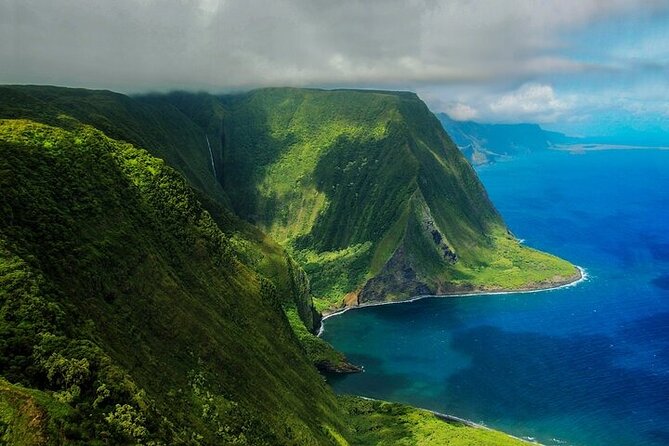
Helicopters are short rides with clear rules. The details that matter are the ones you handle before you board.
Check-in timing and why it’s strict
Check in 45 minutes prior to your tour time. The reason is practical: weight check, safety briefing, and getting you seated and escorted so the aircraft leaves on schedule. Late arrival can mean you may not be accepted, and that’s a big deal for something this time-sensitive.
I’d treat the 45 minutes as “the new truth,” not “a suggestion.” If you’re coming from a hotel area, plan extra buffer time for traffic.
Weight limits and the adjacent empty seat rule
There is a 240 lb per passenger total weight limit. If you’re over that, an adjacent empty seat is required to safely balance the aircraft, and the second seat charge is half off the regular tour price. You arrange the additional seat after booking.
This is not a casual detail. It affects the experience and the cost. If you’re near the limit, it’s worth checking how you’ll handle it early so there are no surprises.
What to wear and how to avoid window glare
Wear dark colored clothing so it does not reflect in photos. This matters even if you’re not a serious photographer. Bright shirts can ruin otherwise nice window shots.
Headsets and communication
You’ll use Bose Aviation-grade electronic noise-cancelling headsets, plus microphones for two-way communication with the pilot. If you’ve ever been in a loud aircraft and felt stressed, this headsets setup is one of the best things about the tour. It helps you relax enough to take in the scenery, not just survive the sound.
Health and activity timing
You should not scuba dive within 24 hours of departure. It’s a specific safety instruction you should take seriously if you’re mixing scuba with helicopter flight.
A small add-on worth planning for
You might want the optional video and photo packages, and there’s a credit card requirement for purchases at the heliport. If you’re trying to keep spending predictable, decide in advance if you want that extra media.
Price and value: is $667.15 worth it for 50 minutes?
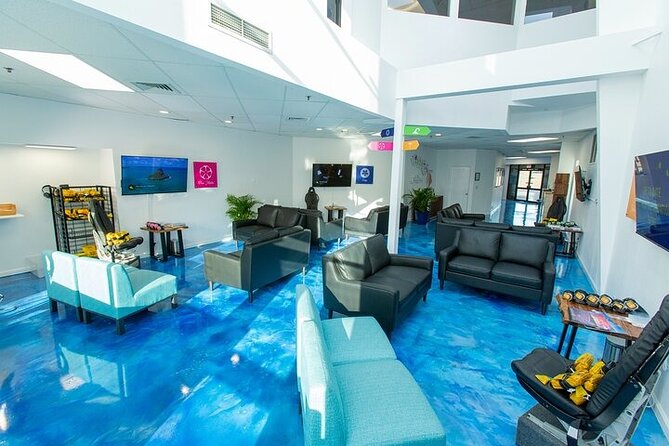
At $667.15 per person, this isn’t a budget impulse buy. So the question isn’t “is it expensive?” It’s whether you’re getting enough quality to justify what you’re paying.
Here’s where the value comes from:
- First-class windows mean you’re paying for better sightlines, not just a different seat color.
- A certified pilot-guide who talks as you fly adds real informational value. The difference between watching and understanding is huge in places like these.
- The ride is short, about 50 minutes, which reduces the chance that you’ll feel like you’re “stuck in transit.” You’re getting a focused geography tour.
- The included Bose headsets and 2-way comms directly improve comfort, especially on a helicopter where sound can be a lot.
- The maximum group size is 2 travelers, which tends to make the experience feel more personal and less rushed.
The main value risk is this: weather. The tour notes times can vary due to wind and weather conditions. If conditions are poor, the flight may be adjusted or canceled, and your schedule may need flexibility. Also, if you’re sensitive to cost, the weight rule can add expense if you’re over 240 lb.
Who this fits best:
- You want the best possible views in a limited time.
- You’re okay paying for comfort and visibility.
- You want the storytelling, not just the aerial photos.
- You care about Moloka‘i’s sea cliff and Kalaupapa region, and you want to see it from the air, which is the way that terrain reveals itself.
Who might hesitate:
- You want a long multi-stop day tour on a tight budget.
- You hate schedule uncertainty from weather.
- You are not comfortable with the weight and seat-balance requirements.
So, should you book the First Class Waterfalls of West Maui and Moloka‘i?
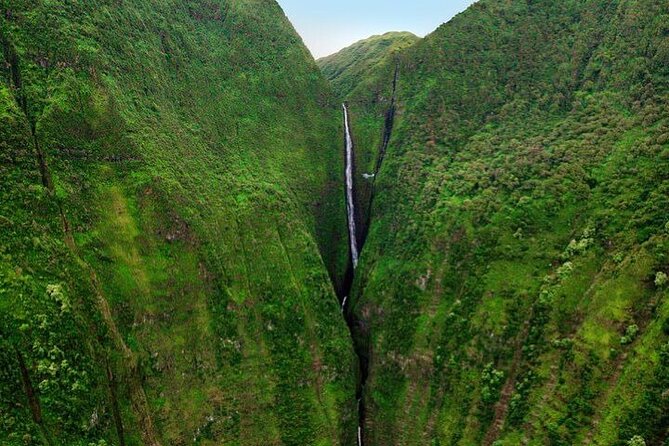
If you want a high-impact Hawaii viewpoint without spending half your day in transit, this is an easy yes. The combination of first-class window access, Bose headsets, and a pilot-guide who can connect each overhead stop to the islands gives you more than a scenic spin.
I’d book it if your top priority is seeing West Maui’s valley-and-waterfall terrain plus Moloka‘i’s sea cliffs, with the route capped by coastal views of Ka‘anapali and Kapalua. It’s also a good pick when you want a small, calm experience.
I’d think twice if weather flexibility is hard for you, or if you’re near the 240 lb weight limit and would have to arrange the adjacent empty seat. If you can handle that, you’re likely to feel like you got exactly what you paid for: a focused, expert-guided aerial tour over some of Hawai‘i’s most dramatic ground.
FAQ
How long is the First Class Waterfalls of West Maui and Molokai helicopter tour?
The duration is approximately 50 minutes, with flight time listed as 50 minutes.
Where is the meeting point for the tour?
You’ll meet at Blue Hawaiian Helicopters, Lelepio Pl, Kahului, HI 96732, USA.
What is included in the tour price?
Included items are first-class seating with floor-to-ceiling windows in the front of the helicopter, Bose Aviation-grade electronic noise-cancelling headsets, microphones with 2-way communication with the pilot, an after-tour video preview at the heliport, pilot guide who are also State of Hawai‘i Certified Tour Guides, and all fees and taxes.
What should I bring with me?
Bring a credit card if you want to purchase optional video/photo packages and souvenirs at the heliport.
What should I wear during the flight?
Wear dark colored clothing so it does not reflect in photos.
How early do I need to check in?
Check in is 45 minutes prior to tour time for weight check-in, a safety briefing, and to be seated on time. Late arrivals may not be accepted.
Are parking fees included?
No. There is a parking fee at the heliport listed as USD 7.00.
Is transportation to and from the heliport included?
No. Transportation to and from the heliport is not included.
Is there a weight limit for passengers?
Yes. Total weight per passenger is 240 lbs. If you weigh over 240 lbs, an adjacent empty seat is required for balance, and the second seat charge is half off the regular tour price.
What happens if weather cancels the tour?
Tours depend on wind and weather conditions. If the tour is canceled due to poor weather, you’ll be offered a different date or a full refund.
More Workshops & Classes in Maui



More Tours in Maui




More Tour Reviews in Maui
Not for you? Here's more nearby things to do in Maui we have reviewed


Maui Helicopter & Air Tours, compared.
 ★ 5.0PRIVATE- Air Tour: 5 Islands: (2-5 people): SEE Even MORE!From $536785 reviews
 ★ 5.0Road to Hana Luxury Limo-Van Tour with Helicopter FlightFrom $599762 reviews
 ★ 5.0West Maui and Molokai Special 45-Minute Helicopter TourFrom $332759 reviews
 ★ 5.0PRIVATE- Air Tour FUN: 3 Islands: (2-5 people): SEE it ALL!From $338559 reviews
 ★ 5.0Doors Off West Maui and Molokai 45 minute Helicopter TourFrom $388487 reviews
 ★ 5.0Deluxe Helicopter Tour of Molokai and MauiFrom $375324 reviews
 ★ 4.9Road to Hana Helicopter & Waterfall Tour with LandingFrom $329277 reviews
 ★ 5.0Luxury Helicopter Experience with Hana Rainforest LandingFrom $341274 reviews
Browse the lists this tour appears in