
Reviewed · MAUI BEACH TOURS
2.5-Hour Private Kiteboarding Lessons at Kanaha Beach in Kahului
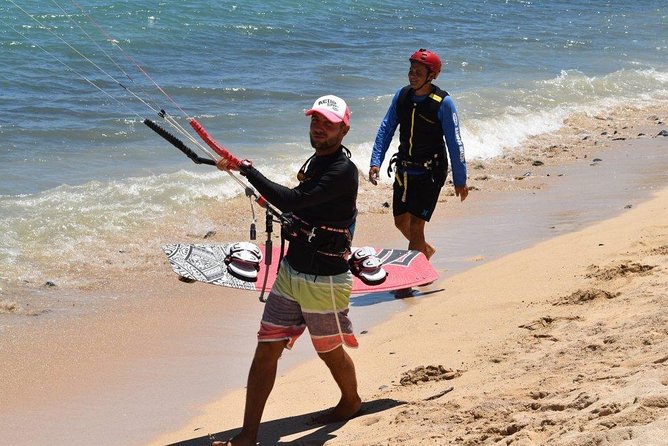
First you learn kiteboarding control where it matters. A private lesson at Kanaha Beach Park turns the usual guesswork into step-by-step practice, from beach setup to time on the water. I like how the instructor starts with the basics on the shore so you are not just thrown into the deep end.
I also like the personalized feedback. Instructor Miki is called out in one of the standout experiences for taking her time and teaching at the student pace. One thing to consider, before you book, is that the class requires swimming ability and a moderate physical fitness level.
Key points I’d circle before you book
- Private, all-level coaching for 2.5 hours, with the lesson tailored to your experience
- Beach-to-water progression, starting with gear selection and ground school
- Instructor-guided exercises in the water, followed by practice going solo
- All kiteboarding, safety, and control gear included, plus bottled water
- Good weather required, and you are expected to reconfirm the day before
- Minimum age is 9, and everyone must be able to swim
Kanaha Beach Park, a practical place to learn kiteboarding
Kiteboarding has a reputation for being intense, but this lesson is built to make it teachable. You are learning in the real kiteboarding zone at Kanaha Beach Park, specifically the Kite Beach area, so the training matches the environment you want to understand.
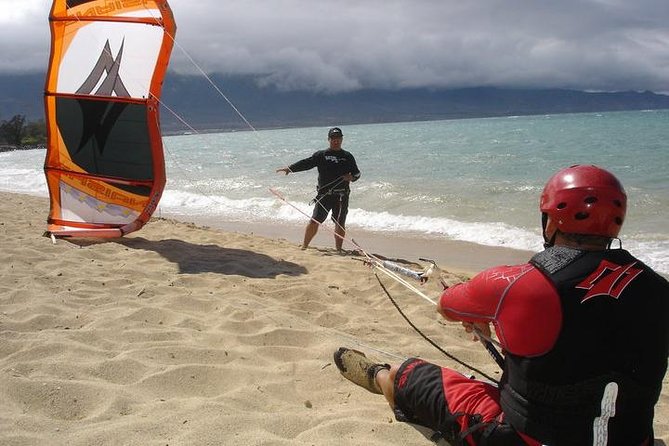
The best part is how you do not start with random water time. You begin with gear selection and orientation, then you do ground school on the beach. That order matters. When you know how the kite system should feel and how you move your body, the water portion becomes problem solving instead of panic.
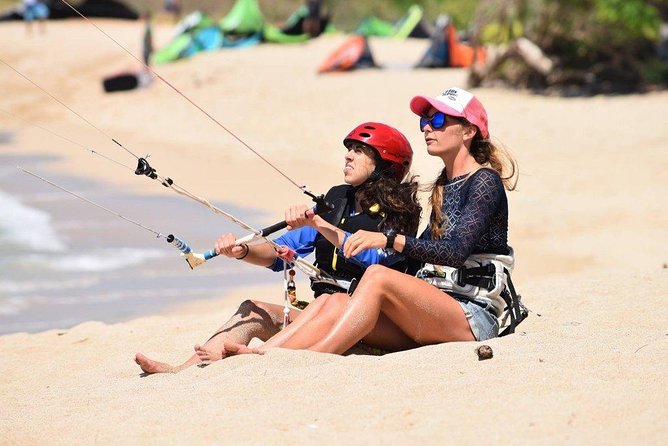
Also, because it is private, you are not competing for attention. You can ask questions when something feels unclear, and the instructor can adjust the pace. This is the kind of setting where you can actually build skill, not just collect footage.
The one practical tradeoff is weather. The experience requires good weather, and if it gets canceled due to poor weather, you will need a new date or a full refund.
More Maui tours, island days, and ocean experiences

Your lesson flow, 2.5 hours that moves in stages
This is an approximately 2 hours 30 minutes private lesson, and it runs like a progression course. The structure is pretty logical: start on land, practice in controlled chunks, then transition to independent practice.
Here is what you can expect, in plain terms:
1) Gear selection and kite beach orientation
The lesson kicks off with choosing the gear and getting your bearings on the Kite Beach area. That includes the basics of what you are using and why. Even if you have watched kiteboarding videos, gear setup is where most people lose time or confidence.
You should also expect an orientation so you understand how the learning space works. The goal is simple: you should know what you are preparing to do before you ever step into the water.
2) Ground school training on the beach
Then you move into beach training. This is where you practice the control concepts and safety fundamentals while you are still on land. Ground school is not just a lecture. The way this lesson is described, it is part training and part rehearsal, so you can repeat movements with coaching.
Think of it like learning to drive on an empty lot before traffic shows up. You will still have to learn the water skills, but at least you start with the right habits.
3) Water exercises with the instructor
Next comes the water time. The lesson shifts into training exercises while your instructor is with you. That matters because kiteboarding is all about timing, balance, and control, and mistakes happen fast when you are learning.
These exercises are designed to teach you how to execute the next step, not just to see if you survive. The instructor should guide you through the transition from shoreline training to real kite handling.



4) Going solo to practice what you learned
The final phase is going solo so you can practice. This is where you see whether the earlier steps clicked. The lesson is tailored to your level, so the solo portion is not the same for every student.
For beginners, this usually means controlled practice. For more experienced riders, it can mean refining control or execution. Either way, you should come away with something you can repeat later, not only a one-time lesson moment.
The beach starts with control, not chaos
The beach portion is where you should expect the biggest clarity boost. The lesson begins with orientation and ground school, and that means you can focus on understanding.
Here are the practical reasons this stage helps you:
- It teaches you how to manage the kite system while you are not fighting water conditions.
- It gives you a baseline for safety, so you know what good behavior looks like during training.
- It builds muscle memory for the control movements that you later perform while moving.
If you have never kiteboarded before, this is what makes the difference between learning and merely experiencing. If you have kiteboarded before, ground school can still help by tightening up how you approach control and safety before you take full rides.
Getting into the water, what the instructor time is actually for
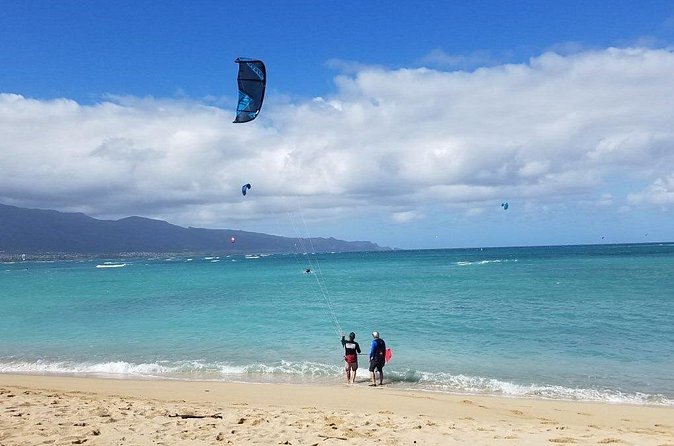
The water phase is accompanied by the instructor, and that is the key. When you move from beach skills to water skills, you are dealing with balance, water resistance, and kite dynamics all at once. A private instructor can correct what you are doing in real time.
The training exercises are described as guided, meaning you should not just be tossed out and told to figure it out. You should get coaching during the learning tasks, then practice that builds toward independent control.
Also, because you are learning on Kite Beach at Kanaha Beach Park, you are practicing in a place that is already set up for kiteboarding. That reduces confusion about where you should be and what you should be doing. You are still learning, but you are not learning in a random spot.
The solo phase, where confidence becomes repeatable skill
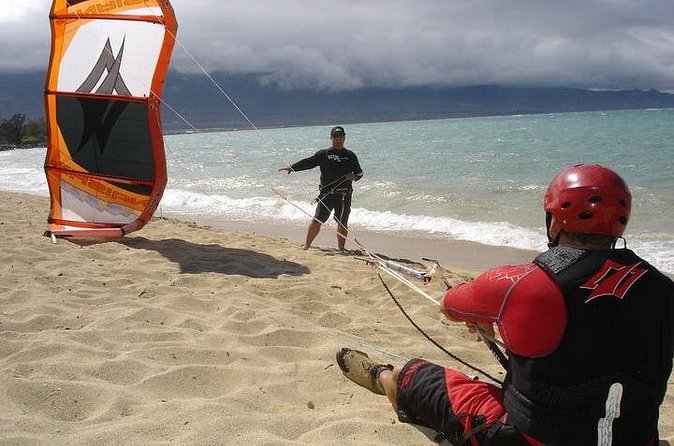
Going solo at the end sounds exciting, and it is, but it also matters. That solo practice is where you turn instruction into a skill you can use beyond the lesson window.
The lesson is tailored to your experience level, so your solo portion should match where you are right now. This is one reason the private format is valuable. In a group class, you would likely lose time waiting your turn. Here, the instructor can keep you moving through the progression.
If you leave with only one thing, I would hope it is this: you can describe what you are supposed to do next time and you know which part to practice first. That is what makes a lesson worth the money.
What you get for your money, and why it’s not just gear
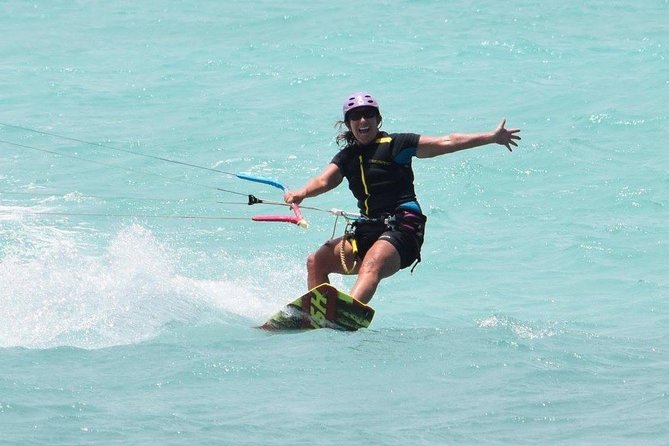
At Action Sports Maui, the lesson includes a lot of practical essentials. You get an instructor, a professional guide, and all taxes and fees. You also get bottled water.
Most importantly, it includes all kiteboarding, safety, and control gear. That is a real value point. Kiteboarding gear is not cheap, and it is also picky. Having the right equipment for your training day reduces the risk that you spend half the lesson figuring out what does not fit or what feels wrong.
What is not included is food and drinks, and transportation to and from the activity. That means you need a plan for snacks and getting there. The meeting point is 1200 Amala Pl, Kahului, HI 96732, and the activity ends back at the meeting point.
Price and value, $394.96 per person for a private lesson
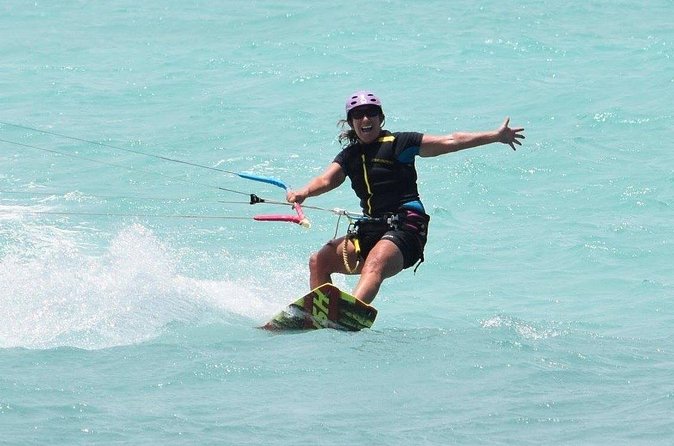
At $394.96 per person for an approximately 2.5-hour private session, the price is not “cheap.” But it is also not random, because you are paying for private instruction plus gear plus safety support.
Here is how I would sanity-check the value:
- You are getting a lesson that starts on the beach and moves through multiple learning phases.
- The instructor is providing feedback and tailoring the pace to your level.
- Gear, safety, and control equipment are included, which saves you the hassle and cost of rentals and the risk of mismatched gear.
- You also get bottled water, which sounds small, but it helps on a beach day.
If you want to learn kiteboarding as efficiently as possible, private instruction usually saves time. You are not waiting your turn, and the instructor can correct the exact mistake you make rather than offering generic guidance.
If you are on a tight budget, this price might feel steep. But if you want to actually progress during the limited lesson window, it lines up with what private coaching costs in most adventure sports.
Who this lesson is best for in real life
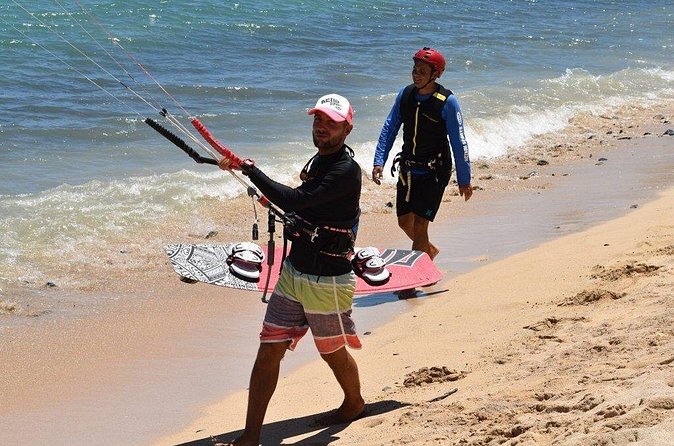
This experience is for all experience levels, and that is a big deal. The lesson is tailored to your experience level, so beginners are not stuck in a boring intro, and intermediate riders should not be stuck with watered-down basics.
That said, the requirements matter. You must be able to swim, the minimum age is 9, and you should have moderate physical fitness. Kiteboarding is physical even when you are learning slowly.
This lesson is a great fit if you:
- want personal attention rather than group instruction
- are ready for a structured progression from land skills to water practice
- want gear included so you can focus on learning
- book Maui activities without gambling on your schedule, because this one depends on good weather
It may not be the best fit if you are not comfortable swimming or you want something purely observational.
How to prepare for a smooth, less-stress lesson day
If you want your instructor to spend time teaching instead of managing avoidable problems, a bit of prep helps.
Here are smart, practical steps based on the details you are given:
- Plan to call the day before to reconfirm weather and the lesson start time. This is required, and it helps avoid surprises.
- Bring your moderate fitness with you. You will likely move around on the beach and work through training exercises in the water.
- Do not forget the liability waiver. You must sign it before the class.
- Think about hydration. Bottled water is included, but you should still be sensible about what you eat and drink beforehand.
- If you have special requirements about departure time, advise them when booking.
Also, since mobile tickets are used, make sure you can access your ticket on your phone. Beach days plus lost connectivity equals stress.
One more note: this experience is often booked about 38 days in advance on average. If you have specific dates you care about, I would not wait until the last minute to pick a time.
Should you book this private kiteboarding lesson?
I think this is a strong choice if your goal is real skill, not just a fun activity. The private format, the tailored instruction, and the included gear and safety equipment make it feel like a guided learning session, not a random rental.
Book it if you match the basics: you can swim, you meet the minimum age, and you are comfortable with moderate physical effort. The training progression from beach ground school to water exercises, then solo practice, is exactly what you want when learning something technical.
I would hesitate if you are not willing to handle weather variables, or if swimming and water time is not your comfort zone. Because it relies on good weather, you should also be flexible with timing.
If you want to leave feeling like you understand kite control steps and have a plan for what to practice next, this is the kind of lesson that can actually deliver that.
FAQ
How long is the private kiteboarding lesson at Kanaha Beach?
The lesson runs for approximately 2 hours 30 minutes.
Where does the lesson take place?
It takes place at Kanaha Beach Park in Maui, at Kite Beach within the park area.
Is the kiteboarding lesson private?
Yes. It is a private tour or activity, and only your group participates.
What is included in the price?
It includes the instructor, a professional guide, all taxes and fees, bottled water, and all kiteboarding, safety, and control gear.
Do I need to pay for food or drinks?
Food and drinks are not included.
Do I need transportation to get there?
Transportation to or from the activity is not included.
What are the age and swimming requirements?
The minimum age is 9 years, and all participants must be able to swim.
What should I do the day before the lesson?
Students must call the provider the day before to reconfirm weather and the lesson start time.
What is the cancellation policy?
Free cancellation is available up to 24 hours in advance for a full refund. If you cancel less than 24 hours before the start time, you will not receive a refund. If it is canceled due to poor weather, you will be offered a different date or a full refund.
More Workshops & Classes in Maui
More Tour Reviews in Maui

Not for you? Here's more nearby things to do in Maui we have reviewed


Maui Beach Tours, compared.
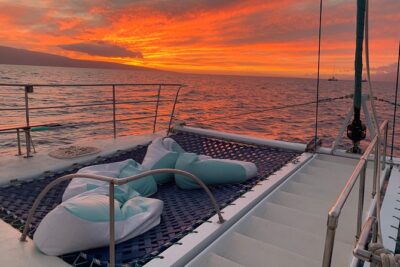 ★ 5.0Original Sunset Cruise with Open Bar from Ka’anapali BeachFrom $1271,422 reviews
 ★ 5.0West Maui Half Day Snorkel from Ka’anapali BeachFrom $1891,253 reviews
 ★ 4.5Te Au Moana Luau at The Wailea Beach Marriott ResortFrom $2251,247 reviews
 ★ 5.0Maui Premium Sunset Dinner Cruise from Ka’anapali BeachFrom $166903 reviews
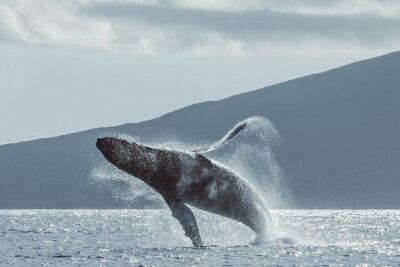 ★ 5.0Whale Watching Cruise with Open Bar from Ka’anapali BeachFrom $115802 reviews
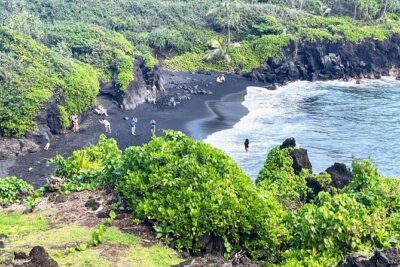 ★ 4.0Road To Hana Black Sand Beach Waterfalls & Turtles TourFrom $165595 reviews
 ★ 5.0West Maui Afternoon Snorkel from Ka’anapali BeachFrom $156427 reviews
 ★ 5.0Snorkeling for Non-Swimmers with Photos Guided Tour Wailea BeachFrom $149415 reviews
Browse the lists this tour appears in