
Reviewed · MAUI WATERFALL & RAINFOREST TOURS
Rappel Maui Waterfalls and Rainforest Cliffs
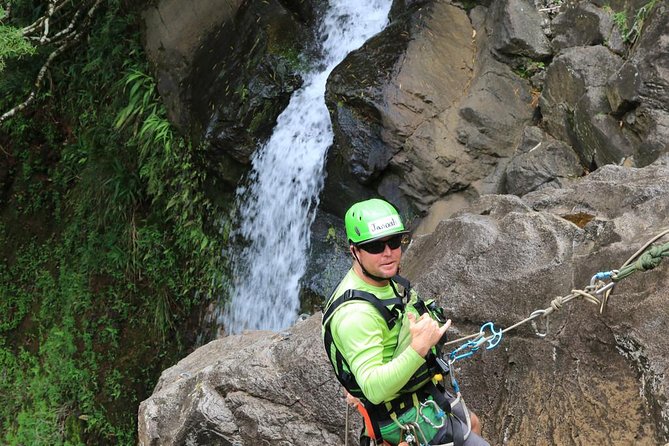
Repelling waterfalls feels like Maui’s wild side. This is a hands-on adventure built for people who want more than road views, with small-group rappelling and guides who keep you calm while you learn. I also love that you get real support, not a tour that’s all talk, and you progress from smaller drops to climbs of up to 30 feet. The main thing to consider is it is physical, and there are strict weight and waist limits plus a minimum age of 10.
Plan on a half-day in the Hana region where rain is normal, so you’ll practice in changing conditions. You’ll start with a safety briefing and equipment setup, then rappel, hike, and finish with time to swim in waterfall pools. Guides like Shauna, Alba, Deacon, Elena, Naomi, Jackson, and Naiome are repeatedly praised for patience and for adjusting so nervous first-timers feel ready.
If you’re expecting a casual stroll with a few photos, this probably won’t fit. You need to walk and hike unassisted, understand spoken English well, and be comfortable getting wet while still following instructions.
Key things I’d focus on before you go
- Max 8 guests keeps the vibe personal and the coaching closer.
- Progression from smaller cliffs to up to 30 feet means your skills build during the tour.
- Runs in rain, with alternate rappels when waterfalls are flooding.
- Waterfall pools and a swim break give you a reward at the end of each adrenaline hit.
- Safety emphasis you can feel, with guides repeatedly described as calm and patient.
- Strict physical requirements (age, weight, waist) so you should read them early.
The real point of this Maui tour: learning ropes, not just watching
This isn’t a spectator activity. It’s a guided day where you learn how to rappel among cliffs and waterfalls, then get to test that skill right away. The value here is the coaching, because the difference between a scary drop and a confident descent is almost always technique plus support.
I like that the experience is structured like a skills loop: hike in, prep your gear, rappel down, then reset and go again. That pacing matters when you’re learning something physical with water everywhere. It also explains why the tour is about three hours, not an all-day production.
The group size, capped at eight, is the other big reason people love it. You’re not lost in the crowd, and you’re more likely to get individual corrections when something feels off. In the feedback, guides such as Shauna and Alba show up often, and the themes are consistent: calm guidance, humor to loosen nerves, and careful equipment checks.
You can also read our reviews of more tours and experiences in Maui.


Starting near the Road to Hana: timing, mood, and weather reality
Your day begins at 10-600 Hana Hwy, Haiku, and the tour ends back at the same meeting point. There’s no hotel pickup or drop-off included, so plan to drive yourself or arrange a ride to that exact area. If you hate the logistics of getting to trailheads on your own, budget a little extra mental energy here.
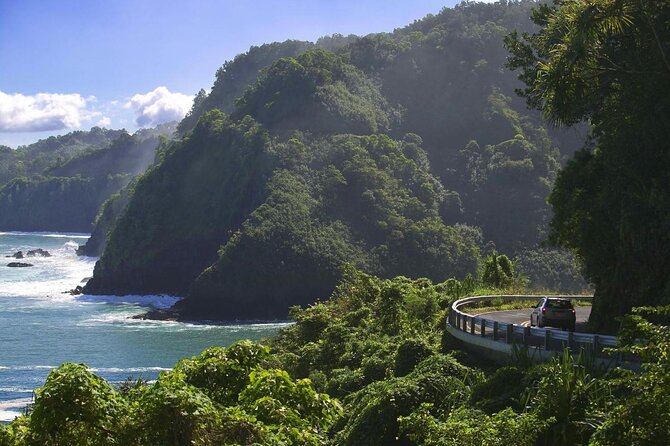
A stop along the way is the Hana Highway, the Road to Hana route. Even if you’ve driven part of the road before, this tour frames it as a way into the rainforest zone, not just a scenic drive. It helps you shift your mindset from vacation mode to activity mode.
Then comes the weather. This part of Maui gets rain daily, and the operator states the tour runs in all weather. That means you’re not hoping for a clear forecast. Your guide plans for wet rock, changing water flow, and safer choices among cliffs and waterfalls.
Practical tip: wear clothes and footwear you can get soaked in, because you should expect water on you more than once.
Garden of Eden Arboretum: why there’s more than one stop before you rappel
The itinerary includes the Garden of Eden Arboretum & Botanical Garden. I see this kind of stop as part orientation, part decompression. You’re transitioning from the road environment into rainforest terrain, and that adjustment helps you arrive mentally ready to focus.
The arboretum stop also fits the rhythm of a guided adventure. Instead of jumping straight into gear and ropes, you get a step before the adrenaline. That reduces the chance you feel rushed when you’re still learning how to move safely on uneven ground.
One more reason this helps: you’re more likely to absorb instructions when you’re not freezing in the rain and not sprinting between locations. If your nervous system runs hot, that buffer can make a big difference.
Waterfall rappelling up to 30 feet: what the action actually feels like
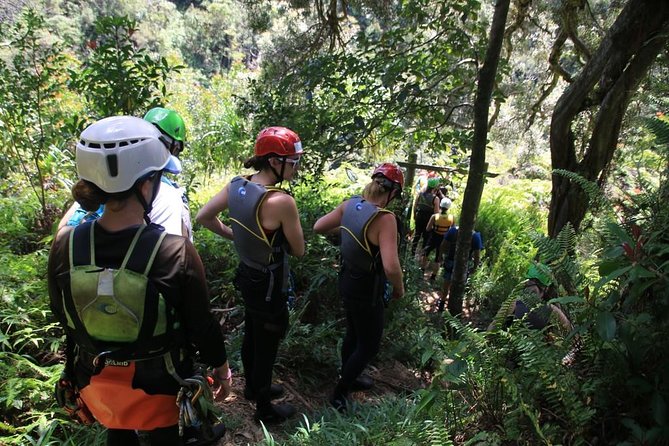
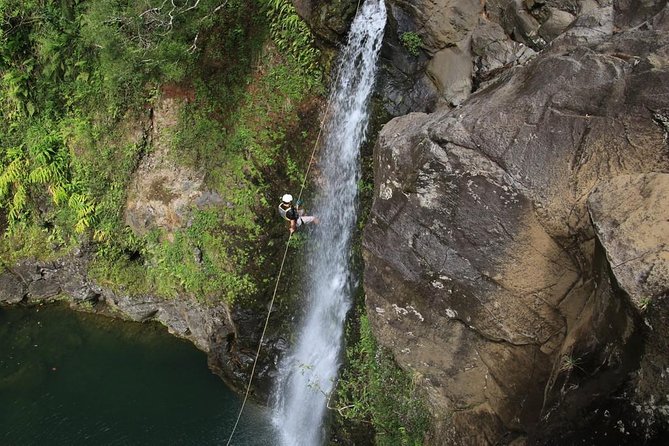
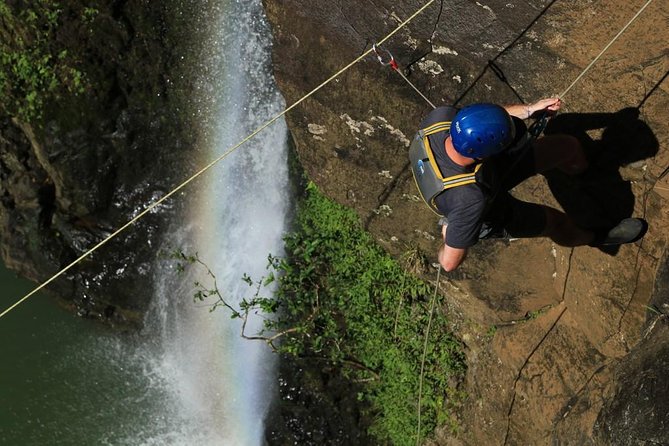
The heart of the tour is rappelling among Maui’s cliffs and waterfall features. You’ll start with smaller cliffs and waterfalls, then work up to higher options, with the tour reaching up to 30 feet (about 8 meters).
That progression matters. Learning on smaller drops helps your body understand the rhythm of descending: secure your position, manage your line, and trust your system. Then, when you move to taller rappels, you’re already familiar with the core mechanics.
The tour also includes a cliff jump and hiking before the swim break. That combination is key for first-timers. Rappelling is the main skill, but the hike segments are what make it feel like a true outdoor experience rather than a rope park. And the cliff jump adds a different kind of adrenaline, more immediate than the controlled feel of a rappel.
In the feedback, first-time rappellers repeatedly mention feeling safe because guides keep the experience understandable. People also describe guides like Deacon and Elena as patient and supportive, and that comes through as the most important thing: the guides don’t just hand you gear and hope you figure it out.
How the rain and flooding change your rappels, without canceling the dream
You should assume it will be wet. The tour explicitly runs in all weather conditions, and the guide chooses the best cliffs and waterfalls based on conditions. When waterfalls are flooding, there are alternate rappels.
This is one of the underrated values of the tour. Some adventures fold when the weather turns, but here the plan adjusts. You’re not paying for a fair-weather fantasy. You’re paying for a rainforest experience that responds to the rainforest.
Still, it’s worth managing your expectations. Rain can change what’s safe and what’s available, so the exact rappels might vary from day to day. That’s normal for water-based activities.
Also keep in mind that safety comes first when water flow is stronger. If you’re the type who likes rigid timetables and predictable platforms, you’ll feel more at ease if you treat this like an adaptive adventure.





The swim break in waterfall pools: why it’s more than a reward
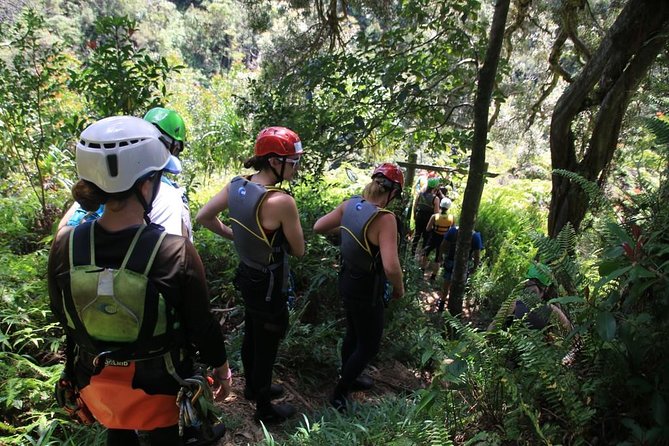
After the rappelling and hiking work, you get time to swim in a waterfall pool. In a tour like this, that swim isn’t just a nice bonus. It’s a reset button. You cool down, loosen tight muscles, and come down from the mental focus of ropes and descending.
People in the feedback call out enjoying the pools at the end, and a few specifically recommend not rushing so you can enjoy that swim time. If you tend to move fast, slow yourself down here. The swim is part of what makes the whole experience feel complete.
You should also plan for getting wet the entire day. That means you’ll likely want to keep spare dry items for later, because once you leave the rainforest, you don’t want to sit in damp clothes for the rest of your drive.
Guides and safety culture: what the best feedback patterns tell you
Across the reviews, the most praised aspect is how guides balance empowerment with control. That combo shows up in multiple guide names: Shauna and Alba are repeatedly highlighted for calm, easy-going leadership. Deacon and Elena show up in descriptions of patience and clear guidance. Naomi, Jackson, and Naiome also appear in notes about nervous first-timers feeling walked through step by step.
What you should take from that is simple: the guides are focused on getting you capable, not just getting you through a checklist. People mention that guides verify safety equipment while still letting participants do things on their own.
That’s how you should measure a rappelling guide in general. If someone is too hands-off, you won’t feel secure. If someone is too controlling, you won’t learn. The best guides land in the middle, and the patterns in the feedback point to that exact middle.
Price and value: is $240.84 worth it?
At $240.84 per person for about three hours, this price sits in the “activity cost” range for Maui, not the “tour bus” range. The value is in three places.
First, you get real instruction and hands-on coaching during an inherently risky activity. You’re not just seeing waterfalls from a viewpoint, and you’re not paying for a photo stop.
Second, the group size is capped at eight. That typically reduces crowd pressure and increases attention from the guide, which matters for learning.
Third, the experience includes multiple elements: rappelling, cliff jump, hiking, and a swim break. It’s an earned adventure, not a single highlight.
One cost-related detail to consider: there’s no hotel pickup. If you’re staying far from the Hana Hwy area, factor in your transport plan so you don’t end up paying extra at the last minute.
If you’re already spending time on the Road to Hana and want a way to get into the rainforest that most people don’t do, this is the kind of activity that can justify itself fast.
Who should book (and who should think twice)
This tour fits best if you’re comfortable with physical effort and learning by doing. The requirements call for moderate physical fitness, ability to walk and hike unassisted, and fluent spoken English.
It also has strict limits:
- Minimum age is 10, with children accompanied by an adult.
- You must be between 70 lbs and 250 lbs, and waists must measure 22 to 48 inches.
- Participants are weighed at check-in, and there’s no refund if you don’t meet the weight restriction.
- Minors need a permission form signed before the tour begins.
If any of those constraints would be a problem for you, don’t gamble. The restrictions are there for safety and proper equipment fit.
On the other hand, if you’re in your 40s or 50s, first time rappelling is still common, and the feedback suggests guides work well with nervous newcomers. Couples, families, and people who want a thrill without feeling unsafe tend to do well here.
Logistics you can plan around before the day starts
The tour meets at 10-600 Hana Hwy, Haiku and returns there. Since there’s no pickup, give yourself a buffer for parking and finding the meeting location, especially on a busy Road to Hana day.
Bring what you need for a wet day. You should assume you’ll be in rainforest conditions with rain part of every day, plus cold or warm water depending on the season. Expect that your tour clothes will get damp and stay damp.
Finally, arrive ready to listen. The tour requires participants to understand and speak spoken English fluently. If you’re shaky with English, the safety briefing and in-the-moment directions could feel stressful.
Should you book Rappel Maui Waterfalls and Rainforest Cliffs?
Book it if you want a genuinely active Maui experience where you learn a real skill and get multiple chances to rappel, then cool off with a swim. The small group size, the repeated emphasis on calm coaching, and the fact it runs in rain with alternate options make it a strong value for people who are ready for wet, physical fun.
Skip it if you dislike physical effort, can’t meet the weight and waist requirements, or expect a hands-off sightseeing style day. This is for people who want the rainforest up close, on ropes, with a guide keeping you safe while you do the work.
If that sounds like your kind of day, this is one of the most memorable ways to experience the Hana region beyond the road pull-offs.
More Tour Reviews in Maui
Not for you? Here's more nearby things to do in Maui we have reviewed


Maui Waterfall & Rainforest Tours, compared.
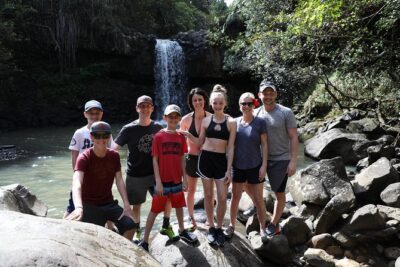 ★ 5.0Small Group Waterfall and Rainforest Hiking Adventure on MauiFrom $1871,417 reviews
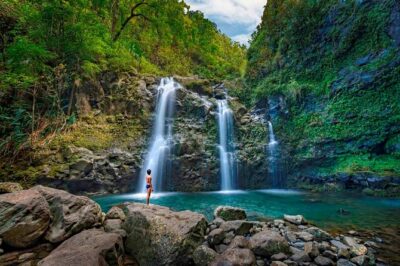 ★ 5.0Famous Road to Hana Waterfalls and Lunch by Mercedes VanFrom $2491,129 reviews
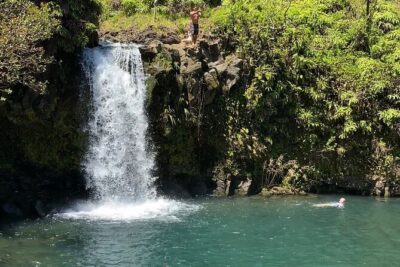 ★ 5.0Rainforest Tour to Hana and BeyondFrom $210864 reviews
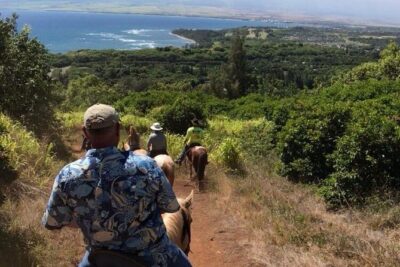 ★ 5.0West Maui Mountain Waterfall and Ocean Tour via HorsebackFrom $187845 reviews
 ★ 4.5Road to Hana: Full-Day Scenic Drive with Blacksand & WaterfallsFrom $209837 reviews
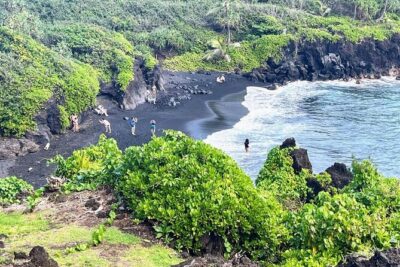 ★ 4.0Road To Hana Black Sand Beach Waterfalls & Turtles TourFrom $165595 reviews
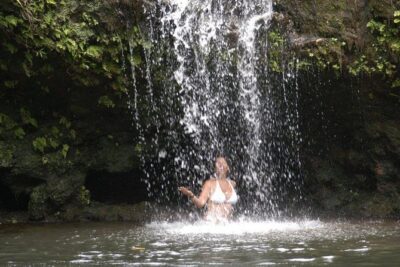 ★ 5.0Waterfall & Rainforest Hiking Adventure with Hotel PickupFrom $229518 reviews
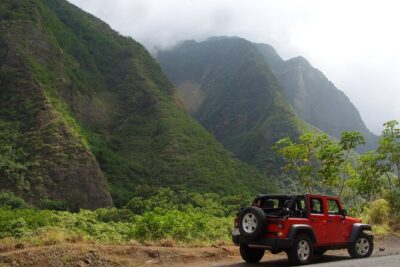 ★ 5.0Road To Hana: Maui Waterfall Hiking Tour in Private JeepFrom $299343 reviews
Browse the lists this tour appears in