
Reviewed · MAUI WHALE WATCHING TOURS
Kayak Whale Watch and Snorkel Hawaiian Islands Whale Sanctuary
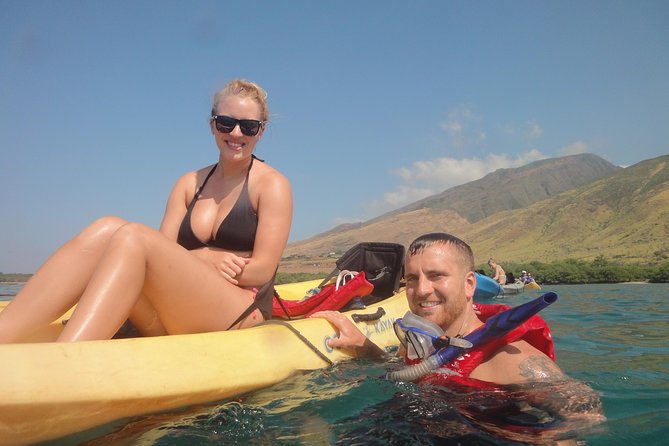
Kayaking out for whales is a Maui rarity. This 4-hour half-day pairs kayak whale watching (in-season) with a snorkel stop at Turtle Reef, plus you get to hear humpbacks sing through an underwater hydrophone. It is a small-group, hands-on way to experience both the coastline and the marine life that makes this part of Maui special.
I especially like two parts. First, you get snorkel gear, life jackets, and snacks included, so you are not juggling equipment stress before you even touch the water. Second, the vibe is built for attention, with a small cap per booking, which means you are more likely to get real help when it counts, not just a quick check at launch.
One consideration: the whale element is seasonal. Humpback whale watching runs December to April, so if your trip falls outside those months, you should expect turtles and fish, but not guaranteed whales.
Key Highlights Worth Fixing Into Your Plans
- Turtle Reef snorkeling at Olowalu Beach Reserve, with sea turtles at a turtle cleaning station plus lots of colorful fish
- Humpback whale watch December to April, in the Hawaiian Islands National Humpback Whale Marine Sanctuary
- Live whale song via underwater hydrophone, which is a different kind of wow than just spotting spouts
- Small-group feel (limited traveler counts), which helps with safety, coaching, and getting questions answered
- Gear and light refreshments included, including snorkel equipment, life jackets, bottled water, and snacks
- Underwater photo options with HD digital cameras available for rent
Why This Kayak + Snorkel Format Feels More Personal
Kayaking changes the whole pacing. You are not stuck staring from a boat. You glide under your own effort, stop where your guide wants to look, and you feel the stillness when the water is calm.
You will also notice the tour is built around two different types of wildlife viewing. One is up close and visual, like turtles and reef fish. The other is more about behavior and sound, especially during humpback season when you can hear whales singing live through the hydrophone. That audio piece matters, because it turns a wildlife sighting into a full sensory moment.
Finally, the guides can make or break the day. In multiple past outings, names like Lance, Wesley (Wes), and Red show up in reviews, and the common thread is that when the leadership is smooth, guests come away feeling supported on both the kayak and the snorkel portion.
You can also read our reviews of more tours and experiences in Maui.


Launching in Olowalu and Getting Ready to Paddle
The morning starts in Olowalu. You meet at the Olowalu area near the launch point, and the tour begins at 8:00 am. Since there is no hotel pickup, you need to handle your own ride and parking. One practical note from experience-based feedback: parking can be a pain on busy days, so I would show up early even if you think you have time.
Before you head out, plan on getting set up: life jacket sizing, snorkel fit, and a quick run-through of how the kayak, paddle, and snorkel work together. The tour is designed for first-timers, and the minimum age is 5 with an adult, so most people are learning in real time. That is normal, just give yourself an easier morning rhythm.
Also, bring a mindset for sun and exertion. Even if you feel confident on a bike, kayaking adds wind exposure and longer time outdoors. Pack what you normally use for beach days, and expect the water time to feel longer than it sounds.
Turtle Reef Snorkel Stop: Sea Turtles, Fish, and How to Enjoy It
Your snorkel stop centers on the Turtle Reef area at Olowalu Beach Reserve. This is the segment that tends to be most reliable year-round because turtle sightings are listed as available all year.
Here is what you should focus on once you are in the water. The tour is aimed at a turtle cleaning station, so you are not just hunting for random sightings. You look for the patient, slow movement of sea turtles and the ways reef fish hover around them. If the water is clear, it is easier to spot the action without constantly re-checking your footing.
A common theme in feedback is that people love the sense of closeness. One first-time kayaker described seeing plenty of fish and turtles right near where they launched. Another family highlighted that the guides took them directly toward turtles. That is a big deal, because turtle snorkeling can be frustrating when you have to do all the scanning yourself.
One more thing: your guide controls safety and spacing. When the group is calm and coordinated, getting back into your kayak after snorkeling feels less stressful. A few guests noted that clearer instruction on how to jump out and re-enter the kayak would help, so if you are nervous, ask early for a quick visual demo during setup.
Whale Sanctuary Time: Seasonality, Whale Song, and What That Means
This is the headliner, but it comes with a simple reality check: humpback whale watching is December to April. Outside those months, do not book expecting whales on the schedule like clockwork.
When you are in season, you head into offshore waters tied to the Hawaiian Islands National Humpback Whale Marine Sanctuary. This is where the tour leans into behavior and sound. You hear whales sing live from the surface using an underwater hydrophone. If you have only ever heard whale recordings, hearing it in real time changes the experience. It can also make whales feel closer, even when your sighting distance varies day to day.
What you might see depends on whale behavior. Several positive accounts mention humpbacks coming close to the kayaks and calves breaching or tail slapping in the distance. Some days, whales can be shy, and you might get fewer sightings. The good news is that even when whales stay far out, the hydrophone component gives you a backup form of whale connection, not just a hope-and-stare game.
If whale singing is a big reason you booked, plan to go in-season and be ready to stay focused during the search portion. The tour timing keeps you out long enough for real effort, not just a token look.
The West Maui Scenery Bonus You Do Not Want to Miss
Even if wildlife is your main goal, do not sleep on the scenery. The route gives you views of the West Maui Mountains as you paddle. Kayaking makes this feel different than driving past a viewpoint. You get to experience the coastline’s scale, then look outward into open water where the horizon flattens and the wildlife is the point.
If you rent cameras, this is also one of the days worth capturing. The tour offers HD underwater digital cameras for rent. Since your best moments can happen in quick bursts, having the option helps. If you really care about photos, I would ask how camera rental works during check-in so you know what to expect before you get in the water.




Paddling Reality Check: Effort, Wind, and Safety Comfort
This is not a lazy float. You should be ready to paddle a lot, and you will be exposed to sun. Reviews also mention that getting back into the kayak from the snorkeling side can be challenging. Most people manage it, but if you are worried about leg strength or balance, treat the day like light athletic practice, not like a tour you can cruise through.
Wind is the other factor that can shift the whole day. The tour requires good weather, and in one response included with feedback, the operator stated they only go out if wind forecast stays under 20 mph. That tells me they watch conditions closely and try to match the experience to the water state.
Still, water can surprise you. One negative account described a kayak capsize during high winds and limited immediate help, and it is a reminder to take conditions seriously even if you feel “fine.” If you paddle slowly or you are traveling with kids, look out for each other and follow the guide’s positioning advice from the start.
Guides Matter: Small-Group Care and Different Leadership Styles
The biggest “secret” here is not the reef or the sanctuary, it is the people running the outing. In the strongest reviews, guests call out guides like Lance, Wesley (Wes), and Red for being friendly, patient, and quick to help. People mention learning about marine ecology, whale behavior and biology, and even Hawaiian history, not just receiving directions.
The best-guided days feel structured. You get clear instructions for:
- launching and stopping
- snorkeling timing and spacing
- what to do if you need help
- how to re-enter your kayak smoothly
On the flip side, a small handful of lower ratings focused on guide coordination issues, lateness, confusing instructions, and an uncomfortable atmosphere. I do not want to ignore that. My practical takeaway is this: go into a half-day tour expecting humans, not robots. If anything feels off during setup, speak up calmly early. The sooner you flag concerns, the better chance the crew can correct course before the water part gets complicated.
Price and Value: Why $119 Can Feel Right or Not
At $119 per person for about 4 hours, the value hinges on what you personally want from Maui water time.
You do get real inclusions:
- professional guide
- snorkel gear and life jackets
- bottled water plus snacks and light refreshments
- a structured route that targets turtles and, in season, humpback whales
- hydrophone whale singing during whale season
If you compare this to renting kayaks and snorkeling gear on your own, the savings might exist. But you are also buying coaching and wildlife searching. Most people do not know where to go for turtle cleaning stations, or how to read whale behavior in a way that actually leads to sightings.
Where value can drop is when the day changes. If you are outside humpback season, your whale expectation should shift toward turtles and fish. If weather limits offshore time, you might not get the full whale segment. And if you are unlucky with guide flow, the “guided” part is what you paid for.
My best advice: treat this as a guided wildlife experience, not just a kayak rental. If you want whales and you want the hydrophone singing element, book in-season and show up early.
Timing, Days, and How to Choose the Right Morning
This tour runs Monday through Saturday from 8:00 am to 11:30 am. Sundays and holidays are closed due to Hawaii state rules. That early start helps you beat the busier conditions and sets you up for calmer water more often than later in the day, though you still need to respect wind forecasts.
Also, this is the kind of tour that gets booked ahead, with many departures reserved about a month in advance on average. If your dates are fixed, do not wait. For a half-day window, you want your first-choice time slot, not a backup plan.
Who Should Book This Tour (and Who Might Want a Different Plan)
This is a great fit if you:
- want a hands-on wildlife experience (kayak + snorkel)
- are traveling with kids age 5 and up and want guided help
- care about humpback whales during December to April
- want a small-group setup rather than a crowd
It can be a tougher fit if you:
- expect whales year-round, because whale watching is seasonal
- hate paddling effort and sun exposure
- have mobility concerns that could make re-entry and gear handling stressful
- are very sensitive to group dynamics, since guide coordination quality can vary
If you just want easy snorkeling from shore, this might feel like extra work. But if you want to combine a paddle outing with a targeted snorkeling moment, it hits the sweet spot.
Should You Book Maui Adventure Tours Kayak Whale Watch and Snorkel?
I would book it if you are traveling in December to April and whales are on your Maui wish list. The hydrophone whale singing and the chance to see humpbacks while you kayak are the standout reasons. I would also book it even outside whale season if turtles are a priority, because the Turtle Reef stop is positioned as year-round.
Skip it or at least adjust expectations if your dates fall outside the humpback season window. And be realistic about the physical side of kayaking, plus the fact that wind and water conditions can change the day.
If you do book, come early for parking and setup, ask questions before you get on the water, and keep your focus on the wildlife moment as the day unfolds. When the guide team is hitting its rhythm, this is one of those Maui tours that feels like it was built for the water, not just for a checklist.
FAQ
What is the duration of the Kayak Whale Watch and Snorkel tour?
It runs about 4 hours (approx.).
Where does the tour take place?
It operates in Maui, USA, starting and ending at the Olowalu meeting point.
What time does the tour start?
Start time is 8:00 am.
Is whale watching included year-round?
No. Whale watching is available December to April, and turtle sightings are year-round.
What marine life can I expect to see?
You can expect sea turtles and many tropical fish at the turtle cleaning station, and during the December to April whale season you may see humpback whales.
What is included in the tour price?
Included items are the professional guide, life jackets, snorkeling equipment, bottled water, and light refreshments and snacks. HD underwater digital cameras are available for rent.
Do they pick you up at your hotel?
No hotel pickup or drop-off is included.
What days does the tour operate?
It operates Monday through Saturday and is closed Sundays and holidays due to Hawaii state rules.
Who is the tour for, and what are the limits?
It is ages 5 and up, children must be accompanied by an adult, and the maximum participant weight is 250 lbs.
What is the cancellation policy?
You can cancel up to 24 hours in advance for a full refund, and the tour requires good weather. If canceled due to poor weather, you will be offered a different date or a full refund.
More Tour Reviews in Maui
Not for you? Here's more nearby things to do in Maui we have reviewed


Maui Whale Watching Tours, compared.
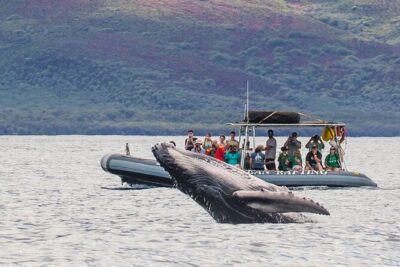 ★ 5.0Maui Eco-Raft Tour: Eye-Level Whale or Dolphin Watching – LahainaFrom $852,482 reviews
 ★ 4.5From Maalaea: Whale Watching Tour Aboard the QuicksilverFrom $491,461 reviews
 ★ 5.0Ultimate Whale Watch from LahainaFrom $771,162 reviews
 ★ 5.0WHALES GUARANTEED Maui Whale Watching Makai AdventuresFrom $971,081 reviews
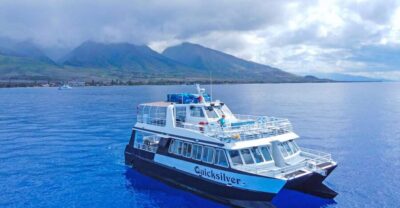 ★ 4.6Ma’alaea Harbor: Whale Watching Tour Aboard Power CatamaranFrom $49979 reviews
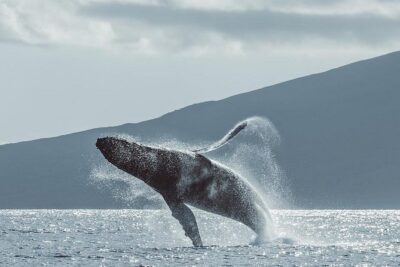 ★ 5.0Whale Watching Cruise with Open Bar from Ka’anapali BeachFrom $115802 reviews
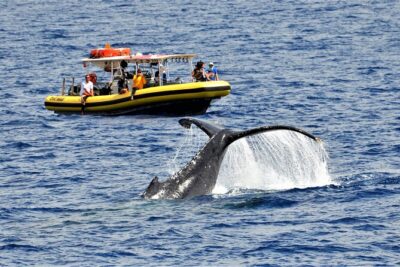 ★ 5.0Whale Watching Maui: 2-Hour Small Group Raft Tour from LahainaFrom $80661 reviews
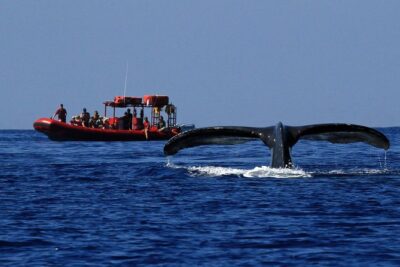 ★ 5.0Maui Whale-Watching Tour by Raft from KiheiFrom $84646 reviews
Browse the lists this tour appears in