
Reviewed · HIKING & TREKKING
Hike Honolua Ridgeline
Maui’s ridgeline hike tells a water story. I love the way this 2-mile walk focuses on Maui ecology, not just scenery, and the small group size (up to 12) keeps the conservation lessons personal. You’ll follow the Honolua Ridgeline beneath a canopy of shade, with a guide explaining what a conservation team does and why the Pu’u Kukui watershed matters.
One thing to plan for: there can be slippery spots on the trail, so sturdy shoes help more than flip-flops.
Key highlights I think you’ll care about
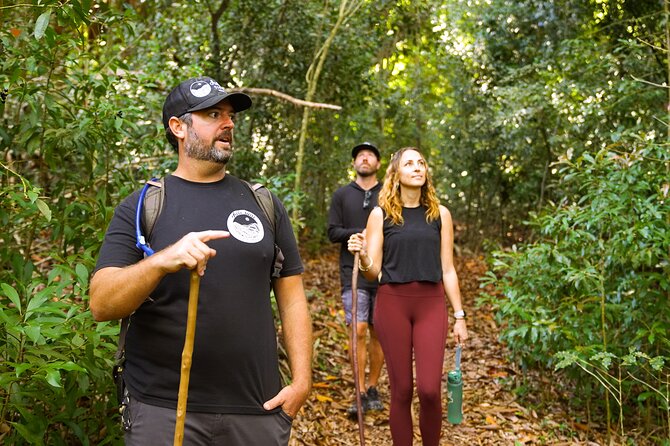
- A short, guided 2-mile hike with a pace suited to many non-hardened hikers
- Native forest plus private conservation lands near the Pu’u Kukui Watershed Preserve
- Guides with real passion, including Jason, Yancy, and Kevin, who connect plants to water
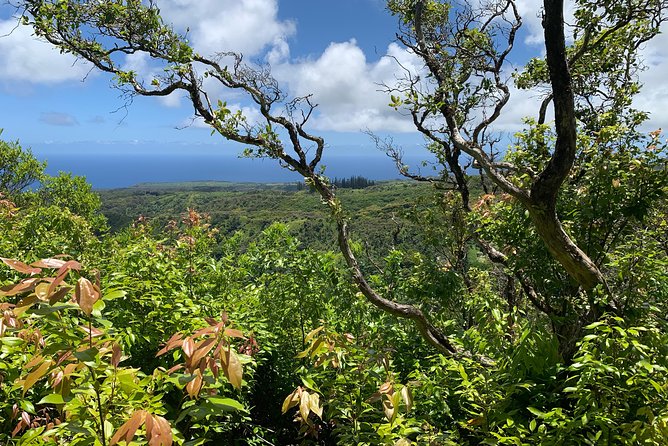
- Great views from lookouts along the ridgeline
- Walking sticks provided to help with balance on uneven ground
- A light pineapple snack at the end, including fresh Maui Gold
Honolua Ridgeline: the ecology lesson behind the views
This hike is built around one idea: on Maui, water is not just a resource, it is a living system. The Honolua Ridgeline trail and nearby conservation lands give you a front-row seat to how native forest plants and the watershed work together, even in a place people often think of mainly as beaches and sunsets.
I like that the guide’s job is interpretive. You’re not just being led from A to B. You’re learning why this area matters, including how conservation helps protect native habitats and manage what doesn’t belong.
If you care about plants, watersheds, or just understanding what you’re looking at, this is the kind of tour that changes the way you see the island.
You can also read our reviews of more hiking tours in Maui


Meeting at 800 Office Rd, and how the 3 hours 15 stays simple
You meet at 800 Office Rd, Lahaina, HI 96761, with a 9:00 am start. The hike loops back so the activity ends where you started, which makes the rest of your day easier to plan, especially if you’re pairing it with beach time or a second tour later.
The duration is about 3 hours 15 minutes, which is long enough to feel like an actual outing, but short enough that you do not need a full vacation day. It’s also the kind of time window that works well if you want to be out in the morning before Maui heat and humidity get pushy.
Because the tour uses a mobile ticket and the language is English, it’s also straightforward. You show up, check in, and the guide handles the rest.
The 2-mile ridgeline walk under shade, with a moderate fitness baseline
The main event is a 2-mile (3.2 km) hike along the Honolua Ridgeline. The description emphasizes shade, and that matters, because it keeps your comfort higher during the walk. The route follows a valley ridgeline, so you often get to look outward and upward instead of feeling like you are staring at your shoes the whole time.
Physically, this is listed as requiring moderate fitness. In plain terms, you should expect a real hike, just not a suffering contest. The best advice is to pack for footing. Reviews mention slippery spots, so you’ll be glad you brought grippy shoes.
Also, the tour is capped at 12 travelers. That small group size usually means the guide can slow down for questions and keep the trail experience moving at a human pace.
Native forest and Pu’u Kukui: what the guide is really teaching you
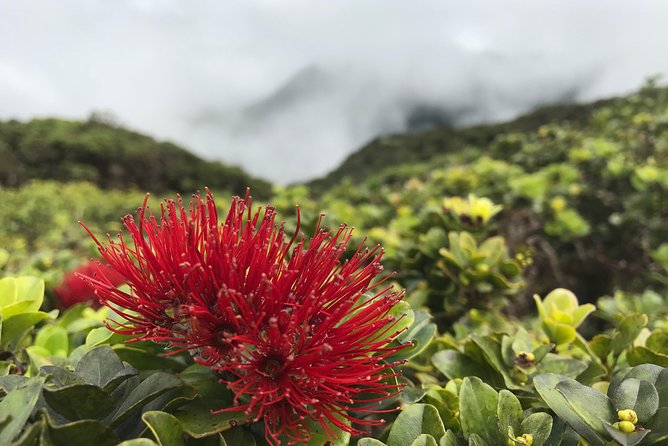
The heart of the experience is the combination of Maui’s native forest and private conservation lands near the Pu’u Kukui Watershed Preserve. This is where the tour becomes more than a pretty walk. The guide connects what you see on the trail to the way water moves and the way ecosystems stay healthy.
One of the most praised parts is plant education tied to conservation. Guides like Jason, Yancy, and Kevin are repeatedly described as passionate and able to explain what you’re looking at in a way that sticks. You get pointers on native species and also how invasive plants fit into the story, since conservation often means protecting natives and limiting troublemakers.
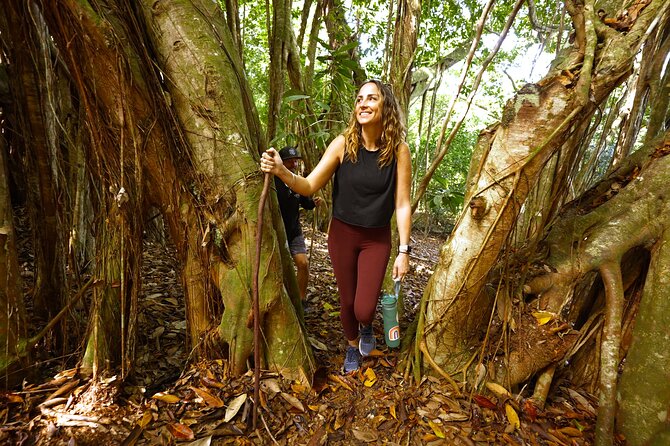
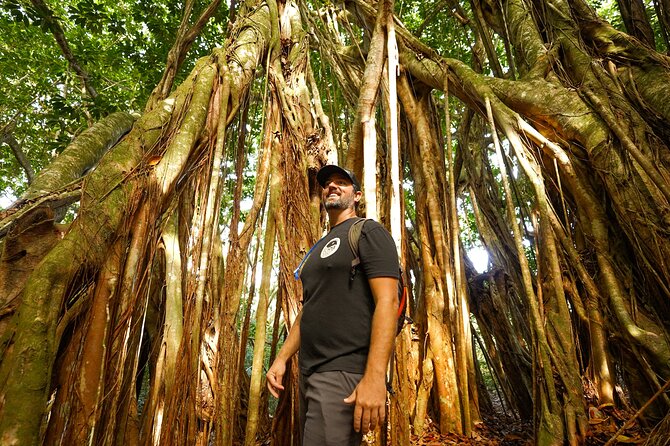
You might notice different kinds of trees and growth patterns as you go. One review even called out a huge banyan in the forested area, which is exactly the kind of detail that a good guide will help you appreciate beyond a quick photo.
The big takeaway is the island’s connection to water. When you understand how forest cover, roots, and habitat protect watershed function, the views from the ridgeline feel less like a postcard and more like proof of a living system.
Guides who connect plants to place, like Jason, Yancy, and Kevin

What makes this tour stand out in the real world is the guide quality. Names that come up include Jason, Yancy, and Kevin, and they share a similar strength: making the ecology feel personal.
Here’s the practical benefit for you. When someone points out a plant and then explains why it matters to the watershed or conservation work, you stop guessing. You can look at the same spot and actually understand what you’re seeing.
That interpretive approach also helps on a mild hike. If your legs are doing fine, your brain gets something meaningful to do. You’ll likely find yourself asking questions at the lookouts, and the guide can keep the answers tied to what is happening in the forest right around you.
If you’re the kind of traveler who likes nature tours but hates feeling lectured, you’ll probably appreciate the tone this format tends to use: grounded, local, and focused on the trail in front of you.






Lookouts along the ridgeline: the payoff moments
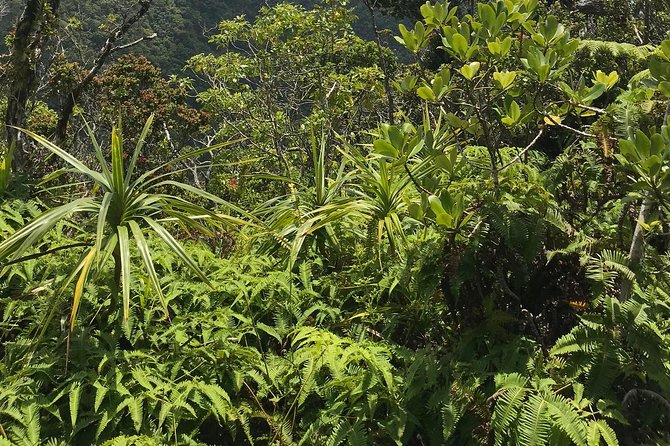
Along the way, you’ll reach lookouts where the ridgeline opens up to valley views. Those are the moments that make the hike feel worth doing, even though the distance is short.
From what’s described, the views can be dramatic in a way that you might not see from typical Maui roads. That is a major reason people call this one of their favorite Maui memories, especially if you’ve visited more touristy areas and want something that feels more connected to how the land actually works.
A gentle caution: when you reach viewpoint areas, pay attention to footing. Reviews mention slippery sections, so the best approach is slow down at the spots where you want to pause and take photos.
Walking sticks, family-friendly pace, and who this hike suits best
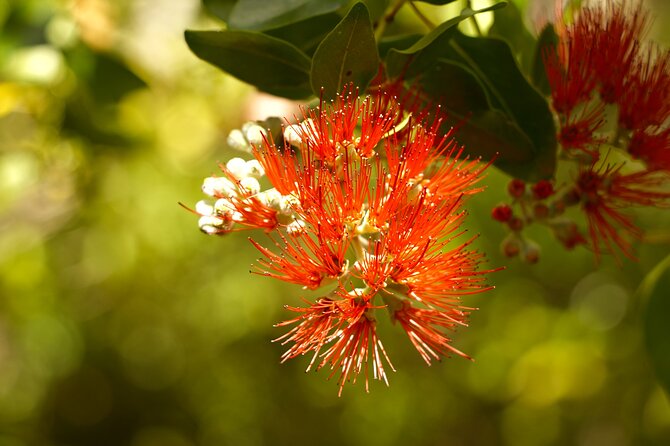
This hike earns points for being family-friendly. One review described a group with a 12-year-old and a husband who did not do much hiking, and everyone had a good time. That tells me the pace and trail length are designed for mixed groups.
There’s also a helpful detail: walking sticks are provided. That doesn’t mean the hike is hard, but it does mean the operator is thinking about balance on uneven, maybe slick sections of trail.
Who should book?
- Families with older kids who can walk a couple miles comfortably
- Nature lovers who want a guided interpretation, not just self-guided photos
- Visitors who want a Maui ecology experience without committing to a full day
Who might want to reconsider?
- If you have mobility limits and worry about slippery ground, you may want to look for a flatter option instead. The tour is short, but traction still matters.
Snack at the end: fresh Maui Gold pineapple, and what to expect
At the end, there’s a light snack that some people really enjoy: pineapple, including Maui Gold. One review called it amazing and mentioned it was fresh and served at the end of the hike.
There is also a downside to know in advance. One person felt the snack advertising was misleading because it amounted to a few pieces of cut pineapple. The operator’s response makes the intention clear: it’s not a full meal, and it’s positioned as a small bite after breakfast and before lunch.
So your planning mindset should be this: treat it like a bonus, not a substitute for a post-hike meal. If you get hungry easily, consider eating before you go, since the hike is short but not zero-effort.
Value on a short hike: what you actually get for your time
This is the kind of tour that offers strong value because it compresses real learning into a manageable time block. You get a guided 2-mile hike, scenery from the ridgeline, and structured interpretation about conservation and the watershed.
It also helps that group size stays small. With up to 12 travelers, you’re less likely to feel lost in a crowd while questions fly by. That turns into better attention from the guide, which turns into better understanding for you.
One more value point is the conservation angle. It’s not just “here is a pretty area.” It’s “here is a system and here is what conservation teams do to protect it.” That shift tends to make the experience more memorable, even years later.
Weather and trail conditions: plan like a local
This tour requires good weather. If it gets canceled due to poor weather, you’ll be offered a different date or a full refund. That matters on Maui, where conditions can shift quickly.
Also, expect a natural surface trail. The ridgeline setting and the shade canopy do not remove the need for good footwear. If you’re someone who brings a little too much confidence on slick ground, this tour will remind you to slow down.
If you want the smoothest experience, wear shoes with grip, bring a light layer if you run cool in the morning, and keep your eyes forward when the guide calls out points of interest.
Should you book Honolua Ridgeline with HeleWai Eco Tours?
I think this is a strong choice if you want a Maui hike that connects the land to the science behind it. The short distance, small group size, and guide-led interpretive style make it a great fit for people who want more than photos.
Book it if you:
- Want native forest ecology and watershed context
- Like guides who can explain plants and conservation in plain terms
- Prefer a moderate, family-friendly outing over a big strenuous day
Consider skipping or swapping if:
- You’re sensitive to slippery trail sections and do not feel comfortable with uneven ground
- You expect snacks to be more than a light pineapple bite
If you match the vibe, this is one of those Maui experiences that gives you a new way to read the island. You’ll walk away knowing why water and conservation are tied together here, right down to the plants under your feet.
FAQ
Where does the hike start?
The meeting point is 800 Office Rd, Lahaina, HI 96761, USA, and the tour ends back at the same meeting point.
What time does the tour begin?
The start time listed is 9:00 am.
How long is the experience?
It runs for about 3 hours 15 minutes (approximately).
How far do you hike?
The hike is about 2 miles (about 3.2 kilometers).
Is the tour in English?
Yes, the experience is offered in English.
How big is the group?
The tour has a maximum of 12 travelers.
What fitness level do I need?
You should have moderate physical fitness.
Is there anything to help with walking?
Walking sticks are provided, which helps with balance on the trail.
Is a snack included?
There is a light snack at the end, including fresh pineapple (Maui Gold is mentioned as an option).
What happens if weather is poor?
This experience requires good weather. If it’s canceled due to poor weather, you’ll be offered a different date or a full refund.
Can I cancel for a refund?
Yes. There is free cancellation. You can cancel up to 24 hours in advance for a full refund, but canceling less than 24 hours before the start time is not refunded.
More Hiking & Trekking Tours in Maui


More Tour Reviews in Maui



Not for you? Here's more nearby things to do in Maui we have reviewed


Hiking & Trekking, compared.
 ★ 5.0Small Group Waterfall and Rainforest Hiking Adventure on MauiFrom $1871,417 reviews
 ★ 5.0Waterfall & Rainforest Hiking Adventure with Hotel PickupFrom $229518 reviews
 ★ 5.0Road To Hana: Maui Waterfall Hiking Tour in Private JeepFrom $299343 reviews
 ★ 4.9Rainforest Waterfalls Guided Hike with Picnic LunchFrom $187274 reviews
 ★ 5.0Haleakala Crater Hiking ExperienceFrom $20870 reviews
 ★ 5.0Amazing Maui Ridge HikeFrom $15923 reviews
 ★ 4.5Waterfall Hike and Kayak Snorkel & Paddle from MakenaFrom $27018 reviews
 ★ 5.0South Maui: Waterfall Tour w/ Kayak, Snorkel, and HikeFrom $26018 reviews
Browse the lists this tour appears in