
Reviewed · HALEAKALA TOURS
Haleakala Volcano Slingshot Tour from Lahaina
Haleakala by open-air slingshot feels unreal. The big win here is 24 hours in a Polaris Slingshot plus a pre-programmed self-guided route, so you can shape the day to your pace instead of herding with a group. You get the thrill of the climb with stops that actually break up the drive, from the summit area to upcountry gardens and farms.
My favorite part is how the route lets you cover major Haleakala highlights efficiently, without worrying about bus timing. Still, there is one real consideration: the Slingshot has no top, so sun, wind, and sudden rain at higher elevations can hit hard.
If you like driving and want hands-on control of your day, this setup fits well. It is a private experience for your group, with helmets included, and the time listed at each stop is just an average since you have the vehicle for a full day.
Key points at a glance

- 24 hours of Polaris Slingshot time to roam at your own pace, not a rigid half-day loop
- Preloaded navigation route that covers Haleakala Visitor Center, Crater, and Observatory
- Helmets included and a private, group-only experience
- Excellent upcountry variety: Kula Botanical Garden, Ali’i Kula Lavender, MauiWine, glassblowing, and farm life
- Weather can change fast at altitude, so layers, rain protection, and serious sun care matter
- Onboard GPS may misroute, so having Waze or a similar app as backup helps
A Polaris Slingshot Day on Haleakala, from Kaanapali, not a bus

This is a Maui road trip day built around one main idea: you drive your own way to Haleakalā and then keep exploring. Instead of spending hours waiting on other people, you roll out and decide how long each stop deserves.
You also get a very specific kind of sightseeing that only works when you are driving. When the road starts climbing, the whole feel changes. Wind gets louder, temperatures drop, and the views widen. It is a driving experience first, and a sightseeing experience right alongside it.
The route is organized, though. You do not have to figure out everything from scratch. You follow a pre-programmed route in the Slingshot’s navigation to key Haleakalā points, then continue to upcountry stops.
You can also read our reviews of more tours and experiences in Maui.

Price and value, $541 per group plus park fees you must plan for
The base price is $541 per group for up to 2 people. That might sound steep until you think about what you are really buying: a vehicle for 24 hours plus a ready-to-go plan to hit Haleakalā highlights and multiple upcountry stops.
What makes it feel more reasonable is that you are not paying for a guided bus experience. You are paying for vehicle time, helmets, and a route that takes you to the places most people spend separate days trying to coordinate.
Two costs you should treat as non-optional planning items:
- Haleakalā National Park entrance fees are $30 per vehicle (listed as $30 per booking).
- Sunrise reservations are $1 per booking (listed for the 3am to 7am window).
Also remember the security deposit at pickup. It is fully refundable, either $750 or $1,500 depending on what they require for your rental.
If you are comparing this to the cost of multiple rides, taxis, or day tours, it can start to make sense fast, especially for couples who want their own driving window. If you only want one quick stop and then you would rather chill at a hotel, the price might feel less justified.
Driving up Haleakala for real: sun, rain, wind, and altitude
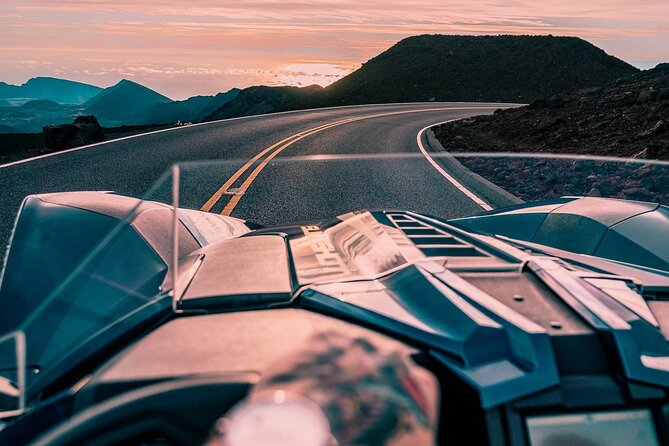
Let’s talk about the stuff that can make or break the day, because Haleakalā does not do gradual. It changes quickly.
First, the Slingshot is open. That means there is no roof to protect you from sun and wind. One of the clearest practical themes from the experience feedback is simple: bring more sun protection than you think you need. Plan on sunscreen that you can reapply, plus a hat or visor, and clothing that covers your arms and legs. At the summit, the sun can still feel intense even when it is cold.
Second, wind is not a minor detail. It can get strong once you climb, and it can make hair look like it has survived a small hurricane. More importantly, it can make you feel colder than you expected, even if you started the drive in warm conditions.
Third, rain and clouds are real possibilities on Haleakalā roads. When visibility drops, you do lose some of the dramatic long-distance views. Keep a rain coat and eye protection handy so you can still drive safely and see what you can.
Finally, altitude can affect your body. The summit area is above 10,000 feet, and altitude sickness is described as real. If you are sensitive to heights, plan for a slower pace at the top and do not force long, high-effort walks right away.
Stop-by-stop Haleakala plan: Visitor Center, Crater, Observatory
The Haleakalā part of the day is built around three major stops, each with its own purpose. The timing listed for each is about 30 minutes, which is enough for orientation and a solid look around without turning it into a grueling schedule.
Haleakala Visitor Center
This stop happens near the summit at about 9,740 feet (2,970 meters). The Visitor Center is where you get the context that makes the scenery make more sense, with educational exhibits and ranger-led information about ecosystems, geology, and Hawaiian cultural significance.
Practical tip: even if you are not a museum person, this is a good spot to pause, warm up a bit, and check what conditions look like. If clouds are thick, this is where you can decide whether you want to push for observatory time or focus on what is still visible.
Entry to the Visitor Center is not included in the tour price, so you’ll want to budget for park fees separately.




Haleakala Crater
The Crater stop is one of the most visually dramatic. You are in a massive dormant volcanic depression on Haleakalā. And one helpful detail: it is often called a crater, but the formation is described as an erosion depression rather than an explosive crater.
You can expect cinder cones, volcanic rock formations, and rare native plant species in the area. This is also described as sacred and culturally important to Native Hawaiians, so treat it with respect and keep your pace steady.
Drawback to plan for: this part of the day is about views and walking around. If you feel altitude effects, you may want to limit how long you move around outside.
Haleakala Observatory
This is where you should aim for the clearest views you can get. The observatory area is known for excellent viewing conditions, and you get 360-degree views on a good day.
The site is not just tourist scenic. It is an astronomy complex, with instruments used for research. One of the notable facilities mentioned is Pan-STARRS, designed to scan the sky for potentially hazardous asteroids and comets. You also hear about solar telescopes and other monitoring instruments.
A practical consideration: if clouds roll in, your views can shrink fast. If the weather is uncertain, you can still enjoy the area’s meaning and science focus, but you might not get the full sightline payoff.
Kula Botanical Garden and Ali’i Kula Lavender: the upcountry reset
Once you come down from the summit area, the day shifts from high-altitude geology to gentler, slower nature time. Two of the stops do a great job of resetting your senses after the cold, wind, and sun intensity at elevation.
Kula Botanical Garden
This garden covers over 8 acres and was established in 1968 as a native Hawaiian plant reserve. It has grown to include more than 2,000 plant species, including native Hawaiian flora, exotic plants, and hybrids.
The setting includes pathways, colorful blooms, water features, and a koi pond. You can also see features like a conservatory, an aviary, and nene geese.
Why it is worth your time: it is a calmer stop where you can slow down and take photos that do not depend on summit cloud-free skies. You also get a cooler, more temperate feel because of the elevation.
Admission is not included, so it is another item to budget, but the gardens can be a good “stretch your legs” break.
Ali’i Kula Lavender
Ali’i Kula Lavender is on the slopes of Haleakalā and spans about 13.5 acres. The farm is described as having around 55,000 lavender plants across more than 45 varieties.
The experience here is tied to guided tours, with information on lavender farming and the property’s history, plus walking through garden areas with broad views toward Maui’s central valley and the West Maui Mountains.
Practical note: in windy conditions, lavender fields can still be windy. That makes this a stop where a hat and light jacket help even when you think you’re done dressing for the summit.
MauiWine, Worcester Glassworks, and Maui Tropical Plantation for the non-summit payoff
The later part of the route adds texture beyond viewpoints. This is where your day stops being just elevation and becomes a full Maui mix of agriculture, art, and tasting.
MauiWine
MauiWine blends classic winemaking with local agricultural heritage. The winery has been producing since 1974, and it is known for both grape wines and wines made with native Hawaiian pineapple.
If you like the idea of tasting something that reflects the island’s ingredients, this stop fits that goal. You also get time to explore the estate grounds, including the King’s Cottage, and you can enjoy tastings in a welcoming atmosphere.
This stop is listed at about 1 hour 30 minutes. That longer window helps because it gives you room to slow down after a driving-heavy first half.
Worcester Glassworks
Worcester Glassworks focuses on hand-blown glass creations. The studio is known for vivid colors, fluid shapes, and pieces that incorporate local themes inspired by the Hawaiian landscape and culture.
The practical appeal here is that you can often see the glassblowing process firsthand. Watching skilled work happen in real time tends to be memorable in a way that shopping can’t always replicate.
If you want a souvenir, this is one of the better places on this route because the work is handcrafted and each piece will have its own variation.
Maui Tropical Plantation
This is the big agriculture-and-family-fun stop. The estate is described as showcasing tropical crop cultivation, with a tram tour passing through fields that include crops like coconuts, papayas, mangoes, and more.
There is also a Mill House for farm-to-table dining using locally sourced ingredients. You might also find activities like zipline options, artisan boutiques, and cultural demonstrations on-site.
This stop is listed at about 1 hour. If you want lunch, this is likely your easiest anchor, but the exact timing depends on how much you eat and how long you want on the tram.
How to plan your timing so you get views, not just stops
Because you have the Slingshot for a full 24 hours, you can pace this day to match your group. That is the best part of the format, and it is also where you can create the best payoff.
Here is the practical way to think about it:
- Put your flexible time in the car time. Conditions can change on Haleakalā fast.
- Treat the summit area as weather-sensitive. If clouds are moving in, it may be smart to prioritize Visitor Center and Observatory earlier in the day.
- Use upcountry gardens and farms as your “confidence stops.” Even when the summit fogs up, the garden and lavender stops often still deliver a satisfying experience.
One more thing from the driving reality: navigation can be imperfect. If the Slingshot’s GPS takes you onto dead-end roads, do not fight it blindly. Use Waze or another map app as backup so you stay calm and keep moving.
Also, if you want to drive confidently, ask about the vehicle setup at pickup. One tip that came up is that if you know manual cars, you can ask for a manual Slingshot.
What it feels like overall: thrilling, free, and very weather-dependent

The headline here is fun. Driving up Haleakalā in an open-air vehicle is exciting in a way that walking does not replicate. And having a self-guided route means you avoid the bus crowd rhythm. You can pull over when you want, skip if you need rest, and linger if conditions are perfect.
The trade is weather dependence. This is not an experience that lets you forget the environment. Sun protection is not a nice-to-have, it is core gear. Wind is not just uncomfortable, it affects how cold you feel. Rain can reduce visibility right when you want the best views.
If you show up prepared, the experience can feel like a movie scene you are actively driving.
Who should book this Slingshot day, and who might want another plan
This tour is a strong match if:
- You want control of your schedule and hate strict group timing
- You like driving and scenic roads
- You are comfortable with open-air conditions and dressing in layers
- You enjoy a mix of nature stops plus something hands-on like glassblowing
It may be less ideal if:
- You get altitude sick easily and do not want to risk the summit
- You want a fully protected vehicle with minimal exposure to wind and rain
- You are hoping for a guided interpretive experience at every stop, because this is self-guided with preloaded navigation, not ranger-led touring at each location
FAQ
FAQ
What is included with the Haleakala Slingshot rental?
The package includes 24 hours of Polaris Slingshot use, a self-guided pre-programmed route in the onboard navigation system (valued at $25), and helmets.
Where do we start and where does the tour end?
The meeting point is in Kaanapali, HI 96761, USA, and the activity ends back at the meeting point.
Are national park entrance fees included?
No. Haleakalā National Park entrance fees are listed as $30 per vehicle and $30 per booking, and they are not included.
Do I need a sunrise reservation?
Sunrise reservations are listed as not included. They are $1 per booking for the 3am to 7am window.
How big is the group for this experience?
This is a private experience for your group. The price is listed per group for up to 2 people.
What are the driver and passenger requirements?
The driver must have a valid driver’s license from any country and be 21+ for insurance. Passengers of any age must be able to securely sit in the seat.
Is a security deposit required?
Yes. A fully refundable security deposit of $750 or $1,500 is required at rental pickup.
Should you book this Haleakala Slingshot tour from Kaanapali?
If you want a Maui day that feels like your own road trip, this is a great match. The combination of 24-hour Slingshot time, a ready-to-follow route for the summit highlights, and the extra upcountry stops (gardens, lavender, winery, glassworks, and the plantation) gives you a lot of “Maui variety” in one continuous drive.
I would book it if you can handle open-air driving in sun and wind, and if you are realistic about altitude. If that sounds like you, this is likely to be a very memorable day, especially because you are not locked into bus schedules.
More Tours in Maui

More Tour Reviews in Maui
Not for you? Here's more nearby things to do in Maui we have reviewed


Haleakala Tours, compared.
 ★ 4.5Haleakala Sunrise Spectacular with Local BreakfastFrom $2542,155 reviews
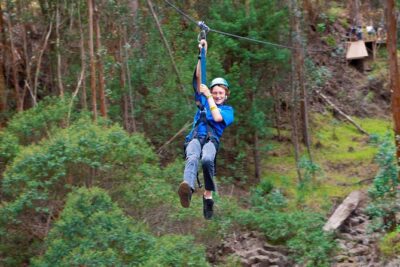 ★ 5.0Haleakala 6 Line Zipline AdventureFrom $157913 reviews
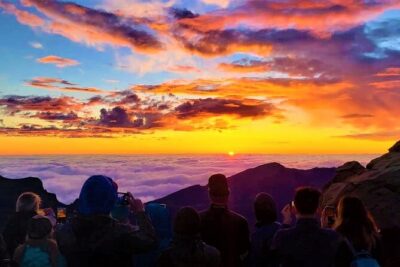 ★ 4.5Haleakala Sunrise Best Self-Guided Bike TourFrom $272745 reviews
 ★ 5.0Majestic Haleakala Sunrise Tour with Pick-upFrom $263614 reviews
 ★ 4.7Haleakala National Park Sunrise TourFrom $219545 reviews
 ★ 5.0Best Haleakala Downhill Self-Guided Bike Tour with Maui SunridersFrom $139496 reviews
 ★ 5.0Haleakala Sunrise Tour with Breakfast and West Side PickupFrom $240436 reviews
 ★ 4.5Haleakala Express Self-Guided Bike Tour with Bike MauiFrom $146271 reviews
Browse the lists this tour appears in