
Reviewed · HALEAKALA TOURS
Haleakala Sunset and Astronomy Tour
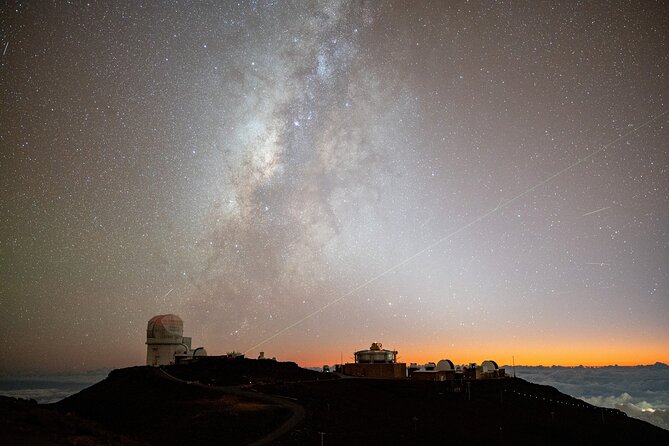
The stars start before the sun sets. This Haleakala sunset and astronomy tour takes you up to the crater for an above-the-clouds sunset, then switches gears to real night-sky viewing with telescopes and planet spotting.
I especially like the small group size (up to 7 people) and the extra-cold comfort you get at the summit, including warm outerwear and hot drinks. The whole evening stays calm, not rushed, and you get time to look, ask questions, and actually enjoy the sky.
One big consideration is the altitude and the night cold. You are up around 10,000 feet, and the tour is weather dependent, so wind and conditions can affect the experience.
Key things that make this tour worth your time
- Above-the-clouds sunset from Haleakala National Park, with a clear view over Maui
- Summit comfort: warm outerwear, chairs, and hot tea or hot chocolate
- Telescope viewing for the moon, planets, and deep-sky objects (weather permitting)
- Small group vibe with a maximum of 7 travelers, so you are not fighting for attention
- Local storytelling about Haleakala’s geology and the unique plants and animals there
- Night-sky guidance including tips for phone photos and what to look for
Haleakala Sunset and Astronomy: The Simple Idea That Hits Hard
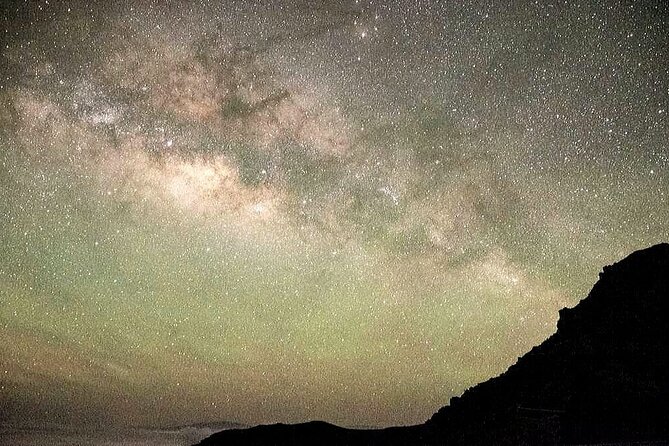
This is one of those Maui experiences where the pacing makes sense. You start with the volcanic scenery and sunset, then you roll right into stargazing while the sky is darkest.
What makes it work is the order. Sunset first gives you dramatic light, and once the sun drops, the guide helps you transition into the night sky with practical observing tools like binoculars and a telescope.
You also get the benefit of being up high on Haleakala. That 10,000-foot summit area is exactly where you want to be if your goal is to see more stars, not fewer.
You can also read our reviews of more tours and experiences in Maui.
Driving Up from Makawao: Meeting Time and Altitude Reality
The tour starts at 4:30 pm at 81 Ahuwale Pl, Makawao, and it returns to the same meeting point. You are in a small group, in a van setting, and that matters because it makes the uphill ride more relaxed and less chaotic.
The summit is at altitude, around 10,000 feet. That is not just a number on a brochure, it is the reason the tour has warm clothing, chairs, and a slow, sit-and-watch approach.
I’d plan your evening like this: treat it as a nighttime mission. You should expect cool air, possible wind, and the fact that you will stop and wait as you watch the sky change.
If you are prone to sinus pressure or you cannot clear your ears comfortably, that altitude descent can be painful. The tour also notes it is not recommended after recent scuba diving, so take that seriously.
Entering Haleakala National Park for Sunset Views
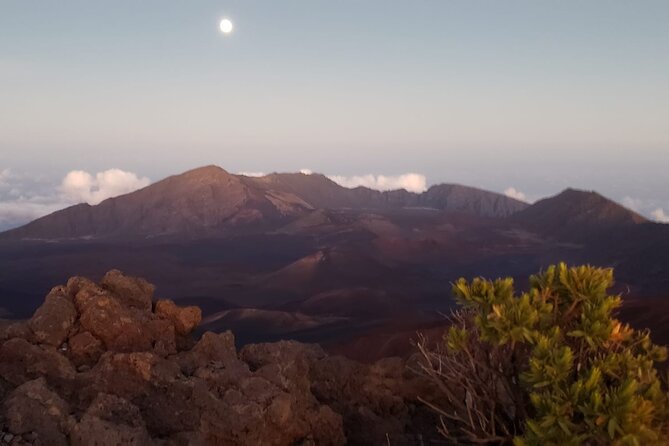
Once you arrive at Haleakala National Park, the tour focuses on the crater and the geology. You get a guided look at what makes Haleakala different, including volcanic features plus the unique flora and fauna that survive there.
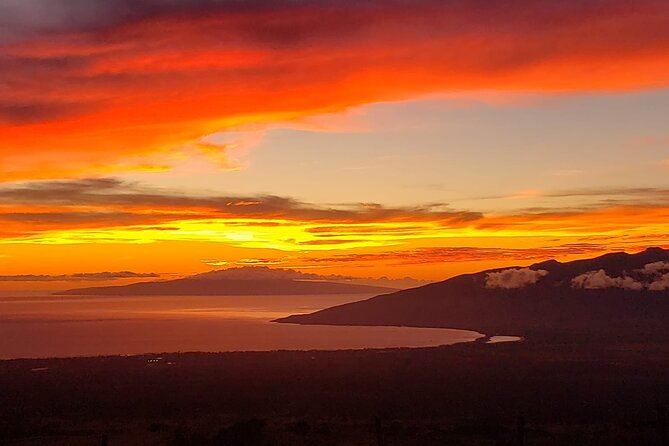
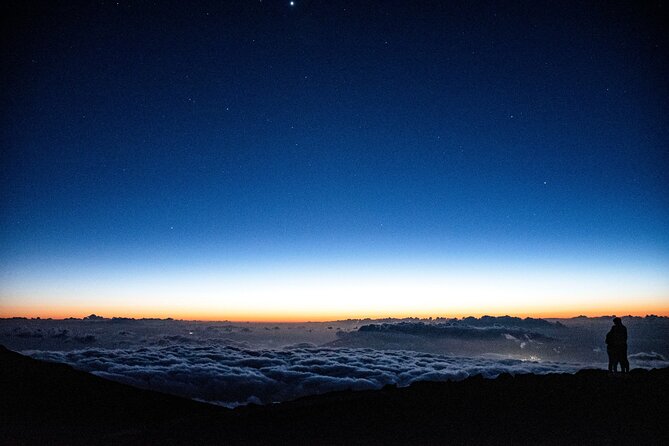
Then comes the main event: sunset from a vantage point above the clouds. Many people think they want a sunset, but what they really want is the feeling of being placed above everything else.
The tour includes time to set up and watch the sun drop. You are seated, which helps because the best sunsets here happen while you are still, not while you are hiking and juggling gear.
You also get warm clothing provided for the cooler summit conditions. Reviews mention summit temperatures around 48 degrees at times, which is a strong hint that layering is not optional.
The Stargazing Shift: Telescopes, Binoculars, and Real Night-Sky Seeing
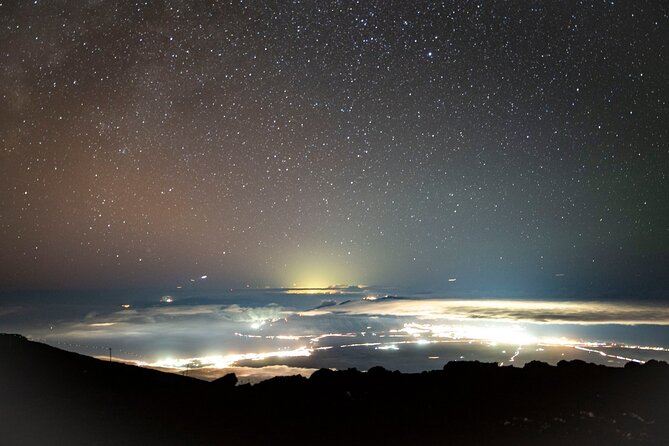
After dark, the experience becomes astronomy time in a very hands-on way. You set up to view the night sky and use a telescope provided for close-up looks.
This is where people consistently sound the most impressed. Reviews include seeing Jupiter and Mars through the telescope, plus detailed views of the moon. Even when you are not an astronomy person, those targets are dramatic.
Binoculars are included too, which is smart. You can scan the sky with binoculars while you wait for your turn or while the telescope points to different objects.
The guide also provides night-sky explanations and shows you what to look for. That matters because stargazing without context is a lot of staring and not much learning.
If you like photography, bring your phone with charged battery. Reviews mention the guide giving tips for phone photos, which is exactly what you need since Haleakala nights can be bright with stars but tricky to capture.
Where the Guide Makes the Difference: Trish and Maui Stories
A huge part of this tour’s appeal is the guide. Many groups specifically mention Trish for being engaging, prepared, and great at connecting the science to what you are actually seeing.
Trish’s approach blends Haleakala’s geology with living details like local birds and plant life. It is not just facts dumped on you, it’s explanations tied to the moment, so you understand why the crater looks the way it does and why the ecosystem is so unusual.
You also get help with comfort and timing. People mention being set up in chairs in the right spot for sunset, then guided into stargazing after.
That sort of hosting makes a big difference for families, couples, and anyone who does not want to feel like they are struggling with a cold mountain and a complicated setup.



Warm Gear and Hot Drinks: Comfort Is Part of the Attraction
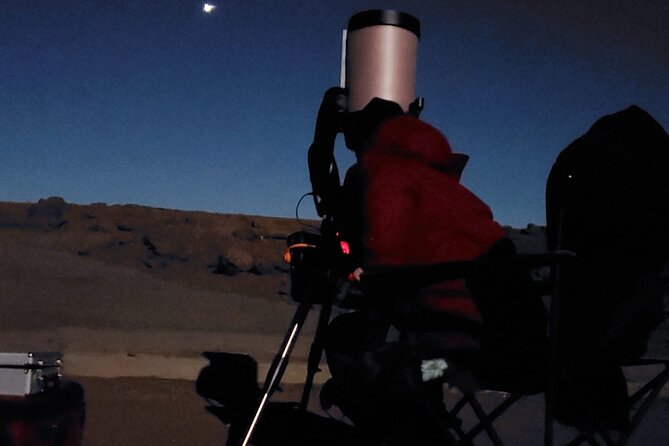
This tour does not just say bring a jacket. It gives warm outerwear, plus chairs for viewing. That is practical, and it saves you from lugging heavy layers up Maui, especially if you are already dealing with beach clothes and a packed suitcase.
Hot drinks are included, including hot tea and hot chocolate. It sounds small, but at high elevation it can be the difference between enjoying the sky and wanting to rush back to the van.
Some reviews mention warm soup, crackers, chili and rice, and even fruit like pineapple during the evening. Just keep your expectations grounded: the booking info says dinner is not included, so plan on snacks you bring yourself.
Think of food here as supportive comfort, not a full meal guarantee.
What About the Dinner Question? Snacks, Allergies, and Planning Smart
The official note is clear: dinner is not included, and you are encouraged to bring snacks or a boxed sandwich. That matters because food choices can get complicated with allergies and dietary restrictions.
At the same time, you will see reviews mentioning simple warm food provided during the tour. That suggests you might get something more than just drinks, but you should not bank on it as a complete dinner plan.
My practical advice: bring a snack you can eat confidently, plus a boxed sandwich or easy-to-grab food. That way, you enjoy the sunset and don’t spend the night thinking about hunger.
If you have allergies, treat this as a must-communicate moment. If the operator can accommodate, great. If not, you will still be fine with what you bring.
Group Size, Pacing, and Why It Feels Personal
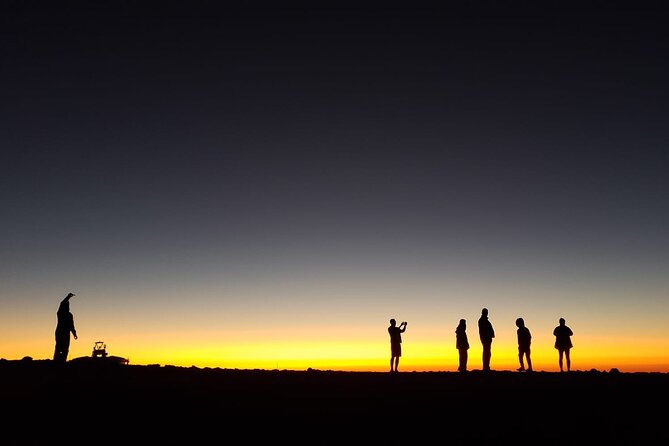
This tour caps at 7 travelers. That makes the whole thing more comfortable, because you get space around your seat, space to look through binoculars, and time to ask questions without feeling like you are waiting in line.
The schedule is about 5 hours 30 minutes total. With a 4-hour block at the park for geology, sunset, and setup, you get a proper chunk of time for the key moments.
The pacing also reflects the environment. High altitude and cold conditions mean your body needs breaks. A small group tour naturally slows down and makes it easier for everyone to settle in.
Price and Value: Is $235 Per Person Fair?
At $235 per person, this is not the cheapest thing on Maui. But it is also not just a van ride and a quick photo stop.
You are paying for several value drivers at once:
- Summit-level access where you can actually see the stars well
- Telescope time that can show planets and the moon in a way you cannot replicate on your own
- Warm outerwear and chairs, so you do not waste time and energy managing cold discomfort
- A driver/guide who connects geology, plants, animals, and night-sky targets
If you compare this to paying separately for a late sunset activity, a stargazing class, and cold-weather gear, the bundle starts to look more reasonable.
And if the weather is poor, the tour notes you will be offered a different date or a full refund, so you are not just stuck.
Who Should Book This Haleakala Tour
This tour is a great fit if you want a memorable mix of volcano scenery and stargazing, without doing a long hike.
It is also a strong choice for first-time Maui visitors who want a single evening that feels like you went somewhere special. Reviews highlight families with teenagers and mixed ages, plus couples who wanted a hands-on, romantic night sky moment.
It is especially useful if you do not know constellations. The guide helps you understand what you are seeing, and the telescope does the heavy lifting.
If you are a recent scuba diver or you are dealing with sinus congestion, skip this one. Altitude changes can be rough, and the tour specifically warns against it.
Weather Dependence: The Risk You Accept, and How to Handle It
Haleakala nights depend on weather. Wind can change plans, and the tour requires good conditions.
The good news is the operator approach described in the information is to offer an alternative date or a full refund if the tour is canceled due to poor weather. That is exactly what you want when you are making plans around a fixed sunset window.
If you can, build flexibility into your Maui schedule. Since this is often booked about 60 days in advance, planning ahead is smart, but leaving some wiggle room is even smarter.
Should You Book It or Skip It?
Book it if you want the classic Haleakala experience in one evening: crater and sunset first, then real stargazing with a telescope, warm gear, and hot drinks. The small group size and the fact that the guide helps you make sense of what you see are big reasons it consistently rates 5 out of 5.
Skip it if cold and altitude are likely to be a problem for your body. Also skip if you are not willing to deal with the weather reality of a high-elevation night.
If you pick this tour, treat it like a night out in a cold, high place. Dress for it, bring your snacks, and then let the sky do the talking.
FAQ
Where does the tour meet in Maui?
The tour meets at 81 Ahuwale Pl, Makawao, HI 96768, USA. The experience ends back at the meeting point.
What time does the Haleakala sunset and astronomy tour start?
The start time is 4:30 pm.
How long is the tour?
The duration is approximately 5 hours 30 minutes.
What’s included in the tour price?
Coffee and/or tea (hot tea, hot chocolate), a telescope to view through, binoculars, warm outer ware, chairs, and a driver/guide are included.
Is dinner included?
Dinner is not included. The information says to bring your own snacks and boxed dinner or a sandwich.
How cold is it at the Haleakala summit?
The tour operates at altitude, and warm outer clothing is provided. Some reviews mention temperatures around 48 degrees at the summit, so plan for real cold.
Is the tour suitable for scuba divers or people with sinus congestion?
It is not recommended for scuba divers who have recently had a dive because of altitude. It is also not recommended for travelers who are sick or have sinus congestion, since descending from altitude with ear-clearing issues may be painful.
How big is the group?
The maximum group size is 7 travelers.
What happens if weather is bad?
This experience requires good weather. If it is canceled due to poor weather, you will be offered a different date or a full refund.
Is a telescope provided for stargazing?
Yes. The tour includes a telescope to view through and binoculars for night-sky viewing.
More Tours in Maui
More Tour Reviews in Maui
Not for you? Here's more nearby things to do in Maui we have reviewed


Haleakala Tours, compared.
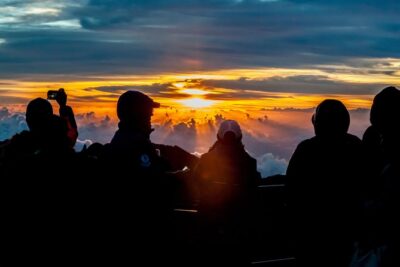 ★ 4.5Haleakala Sunrise Spectacular with Local BreakfastFrom $2542,155 reviews
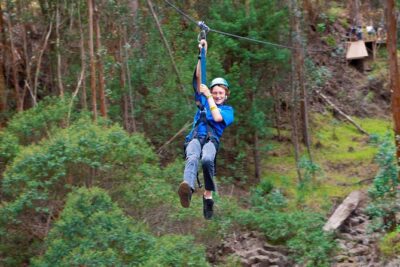 ★ 5.0Haleakala 6 Line Zipline AdventureFrom $157913 reviews
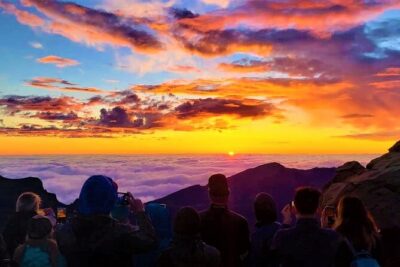 ★ 4.5Haleakala Sunrise Best Self-Guided Bike TourFrom $272745 reviews
 ★ 5.0Majestic Haleakala Sunrise Tour with Pick-upFrom $263614 reviews
 ★ 4.7Haleakala National Park Sunrise TourFrom $219545 reviews
 ★ 5.0Best Haleakala Downhill Self-Guided Bike Tour with Maui SunridersFrom $139496 reviews
 ★ 5.0Haleakala Sunrise Tour with Breakfast and West Side PickupFrom $240436 reviews
 ★ 4.5Haleakala Sunrise Best Guided Bike Tour with Bike MauiFrom $317271 reviews
Browse the lists this tour appears in