Reviewed · WEST MAUI TOURS
Regenerative Mango and Tropical Fruit Tour in West Maui
Mango tasting meets regenerative farming. I love the intimate group size and the clear, hands-on way the farm explains regenerative permaculture. The one drawback is simple: bathrooms are not included, so plan ahead.
You start under a trellis covered in a massive passionfruit vine, with a refreshing welcome drink while the guide sets the stage. You get a quick, 15 to 20 minute overview of Hawaiian history and agriculture in West Maui, including how traditional farming compares with regenerative permaculture.
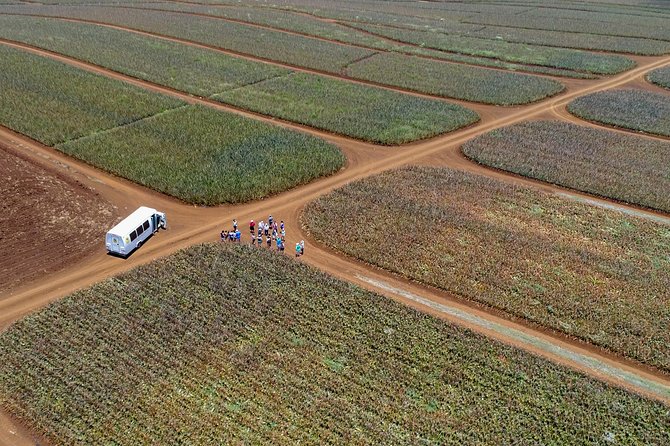
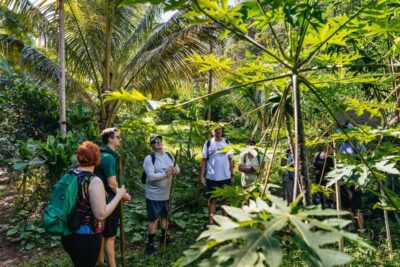
Then it’s a relaxed walk through an edible landscape of pineapple, papaya, Surinam cherries, figs, starfruit, banana, and mango. If fruit is ripe and available, you’ll taste it, and you’ll also get guided photo stops because the ocean is on one side and the mountains are on the other. Just come prepared for sun and the occasional bee or mosquito, since this is a working orchard.
Key Highlights You’ll Actually Care About

- Max 8 people means you get real attention and time to ask questions, not just a herd-through type of tour.
- Regenerative permaculture explained early, in plain terms so it makes sense before you start walking.
- Tastings happen along the route and at the end with whatever ripe fruit is available that day or season.
- Ocean and mountain views are part of the experience with guidance on where to stand for the best photos.
- Mango is seasonal, but you won’t leave empty-handed because the farm works with other tropical fruits too.
- Small farm setting can mean limited facilities since bathrooms are not included.
West Maui’s Mango Mala Farm Tour: Small Group, Big Flavor
If you want a Maui activity that feels more like a friendly farm visit than a production line, this is the kind of tour that fits. The setting is a family-run regenerative fruit farm in West Maui, just outside the bustle of central tourist zones. You meet at 15 Wailau Pl, Lahaina, and you stay close to one main area before stepping into the walking portion.
The biggest reason this tour is so satisfying is the scale. With a maximum of 8 travelers, you can actually hear the guide and keep up with what’s going on in the orchard. That matters here, because the point is not only to eat fruit. It’s to understand why this fruit grows the way it does, and what regenerative permaculture changes on a real farm.
Price is also refreshingly straightforward at $85 per person. You’re paying mainly for two things: expert guidance and access to an operating farm where you can taste seasonal produce. Transportation is not included, so you’ll want to plan how you’ll get there. But once you’re on site, the tour includes snacks in the form of the fruits available, plus a seasonal fruit plate at the end.
You can also read our reviews of more tours and experiences in Maui.
Your 2-Hour Plan, From Passionfruit Shade to Sunset Photos

This tour runs about 2 hours. A big part of the value is that the time is structured, so you get both the “why” and the “wow.”
Welcome area and farm overview (about 15 to 20 minutes)
You start under a trellis wrapped with a massive passionfruit vine. Before you walk, you’ll get a refreshing welcome drink and a short orientation to the area. The guide shares Hawaiian history and agriculture in West Maui, then explains the difference between traditional farming and regenerative permaculture farming.
This section is short by design. It gives you the framework you need so the rest of the tour doesn’t feel like a random plant walk. If you care about sustainable food, you’ll appreciate that they focus on the practical distinction, not just slogans.
Guided walk through the tropical fruit orchard (about 45 to 60 minutes)
Next comes the walking tour. You move through a patchwork of fruiting plants including pineapple, papaya, Surinam cherries, figs, starfruit, banana, and mango. When fruit is ripe and available, you get samples as you pass through.
One of my favorite parts of this layout is that it’s not just “here is a plant, move on.” You also get guided photo spots. With the ocean on one side and the mountains on the other, the views naturally punctuate the walk, and the guide helps you find angles that look good without you doing the usual tourist shuffle.
Seasonal fruit plate and self discovery time
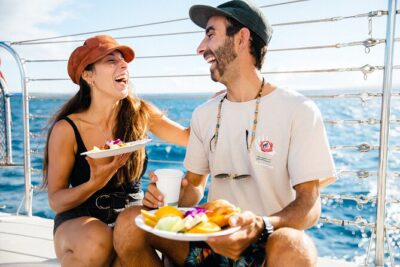
When the walking portion ends, you return to the welcoming area. Then you’ll be served a plate of seasonal fruit. Mango is generally in season from late May to early November, but the farm tastes will include different organic fruits throughout the year, so the tour stays interesting even when mango is not at peak availability.
After the tasting, you get a bit of self discovery time. That means you can linger around the welcome area or take that last sunset photo from a spot with an actual view.
Regenerative Permaculture on Maui, Explained in Human Terms

A lot of sustainability talk sounds good, then falls apart when you try to picture it on a working farm. Here, the overview is built to connect the concept to what you’ll see and taste next.
You’ll learn the difference between traditional farming and regenerative permaculture farming right at the start. That timing is smart. By the time you reach the rows of fruit trees and edible plants, you already understand what the farm is trying to achieve: healthier soil, a more resilient growing system, and a farming approach meant to protect the land for the long run.
In conversations during the tour, the owners and hosts tend to speak from personal experience, including how they manage the farm naturally. People like Smita and Andre are mentioned by name as the welcoming hosts you might meet, and that personal involvement shows in how the tour is delivered.
You do not need to be a farming expert to enjoy this part. If you’re the type who usually skips lectures, you’ll still get value because the tour uses the explanation as a filter for the plants you see right after.
What You’ll Taste: Mango and Tropical Fruit Along the Walk

The simple promise is this: if fruit is available and ripe, you’ll get a taste.
Because this is seasonal, you should treat the fruit lineup like a living menu. Mango is the star, but it might not always be available depending on the time of year. Mango season is generally late May to early November. When mango isn’t at its best, the farm still offers other organic fruits throughout the year.
On the walking route, you’ll pass pineapple, papaya, Surinam cherries, figs, starfruit, and banana, along with mango. Those plants are on your path even if they are not all in perfect tasting condition that day. That’s part of the education. You learn what grows here and what to look for.
Here’s what tends to make the tasting portion feel special:
- You taste in place, not after a packaging moment. The fruit is part of the farm scene.
- You get multiple varieties, not one token sample. The goal is a real flavor experience.
- The sweetness changes with ripeness. When the guide encourages you to try what is ready, you notice differences quickly.
If you’re traveling with kids, this is also one of those tours where fruit is the whole point. Eating tropical fruit on the spot turns the walk into a small adventure, and the tour is structured to keep moving while still giving you time to sample.
Views From the Orchard: Where to Look During Your Walk

This farm tour earns its “vacation photo” value honestly. The route is designed so you’re not staring only at plants. One side of the experience gives you epic ocean views, while the other side looks toward gorgeous mountains.
The guide will show you the best places to take photos, so you’re not left wandering for the perfect shot. That’s a real help when your time is limited and your camera is hot from being in the sun.
After the tasting, you also have time for your own photo mission. If you’re trying to capture West Maui at golden hour, plan to slow down, look around, and ask the guide where the best sunset angle is before you settle into it.
Practical Value: Does It Feel Worth $85?

At $85 per person for about 2 hours, you’re not paying for a big vehicle, a long drive, or a huge group show. You’re paying for access to a small regenerative farm experience, plus the guide’s time and knowledge.
The included value is clear:
- Snacks in the form of whatever fruits are available at the time of your tour
- A plate of seasonal fruit at the end
- The tour guide
Not included are the things people often forget:
- Transportation
- Bathrooms
So the value question depends on your travel style. If you love tasting local food, enjoy learning how it’s grown, and prefer intimate experiences over mass-market attractions, this is strong value. If you expect a full-day adventure with lots of downtime and amenities, the small, focused format may feel short.
One more practical note: this experience can be booked about 30 days in advance on average. If you’re traveling in peak season, book earlier rather than later so you can match the tour time to daylight and sunset.
Who This Tour Best Fits (And Who Might Want Something Else)

This tour is a great match for:
- Couples who want a memorable, food-forward activity that feels personal
- Families, especially if you want kids to burn off energy while enjoying fruit
- Anyone interested in regenerative agriculture, permaculture, or just understanding why food tastes better when it’s grown well
You might like it even more if you enjoy small scale. A maximum of 8 travelers changes the vibe. You can ask questions, hear explanations, and actually connect the lesson to what you see.
If you’re not comfortable with outdoor walking, sun, or insects, you’ll want to plan carefully. This is a hillside orchard. It’s working nature, not a climate-controlled museum.
Before You Go: Logistics That Matter on a Farm Day

A few practical points will make your experience smoother.
Come prepared for no bathrooms
Bathrooms are not included. One earlier situation noted that the property was under renovation, with no bathrooms available, and they let people know in advance. Either way, don’t assume there will be a restroom at the site. If you need to use one, do it before you arrive.
Plan for weather and outdoor conditions
The experience requires good weather. If it gets canceled due to poor weather, you’ll be offered a different date or a full refund. Since it’s outdoors, you’ll feel the sun and heat, too. Bring your usual Maui basics like sunscreen and water if you can.
Bring bug awareness
Because you are in an orchard, keep insect repellent in your bag. Bees and mosquitoes can show up, especially when you’re walking among flowering plants and fruit.
Expect a working-farm feel
This is not a staged show. The farm is an active place. The pace is relaxed, but you’re walking through crops that are alive and seasonal.
Should You Book This Regenerative Mango and Tropical Fruit Tour?
If your Maui trip has room for one grounded, feel-good activity that mixes food, views, and a real sustainability lesson, I’d book it. The small group size and the focus on tasting make it more satisfying than generic “farm tour” experiences. You leave with a better understanding of regenerative permaculture, plus a plate of seasonal fruit that tastes like it came from a real place.
Book it especially if:
- You want mango and other tropical fruits tied to seasonality
- You prefer an intimate guide-led experience, not a large tour group
- You’re curious about how traditional farming differs from regenerative permaculture
Skip it or pick something else if:
- You need on-site bathrooms
- You hate outdoor walking in the sun
- You want a transportation-included activity from start to finish
If that sounds like your kind of day, this West Maui orchard tour is a smart, local use of time.
FAQ
How long is the regenerative mango and tropical fruit tour?
The tour lasts about 2 hours.
How much does the tour cost?
The price is $85.00 per person.
Where is the meeting point?
You’ll start at 15 Wailau Pl, Lahaina, HI 96761, USA. The tour ends back at the meeting point.
What language is the tour offered in, and do I get a ticket?
The tour is offered in English, and you receive a mobile ticket.
What is included in the tour price?
The tour includes snacks (whatever fruits are available at the time of the tour, plus a seasonal fruit plate at the end) and a tour guide.
Are bathrooms available during the tour?
Bathrooms are not included.
Will I always taste mango?
Mango is seasonal and may not always be available. The farm offers other organic fruits throughout the year, depending on what is ripe.
How large is the group?
The tour has a maximum of 8 travelers.
What happens if the weather is poor?
If the tour is canceled due to poor weather, you’ll be offered a different date or a full refund.
Is cancellation free?
Yes. You can cancel up to 24 hours in advance for a full refund. If you cancel less than 24 hours before the start time, the amount paid is not refunded.
More Tours in Maui
More Tour Reviews in Maui
Not for you? Here's more nearby things to do in Maui we have reviewed
West Maui Tours, compared.
★ 5.0West Maui Half Day Snorkel from Ka’anapali BeachFrom $1891,253 reviews
★ 5.0West Maui Snorkeling Experience by Boat from Ka’anapaliFrom $193881 reviews
★ 5.0West Maui Mountain Waterfall and Ocean Tour via HorsebackFrom $187845 reviews
★ 5.0West Maui and Molokai Special 45-Minute Helicopter TourFrom $332759 reviews
★ 5.0West Maui Mountains ATV AdventureFrom $229539 reviews
★ 5.0Doors Off West Maui and Molokai 45 minute Helicopter TourFrom $388487 reviews
★ 5.0West Maui Afternoon Snorkel from Ka’anapali BeachFrom $156427 reviews
★ 4.8Maalaea: West Maui Snorkeling & Sailing Day Trip with LunchFrom $200210 reviews
Browse the lists this tour appears in