
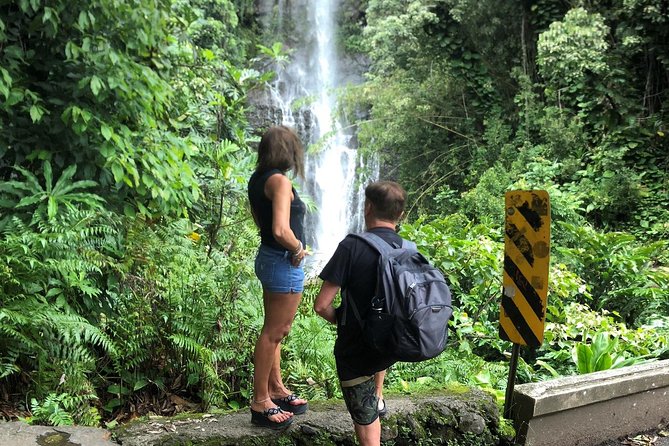
Maui, with every good hour accounted for.
Road to Hana waterfalls, Haleakala sunrise, Molokini water and an evening luau, with the practical details that decide whether each day feels effortless.
Seven Maui days worth building around.
First visit or fifth, these are the bookings that carry a trip: a mountain before breakfast, turtles after launch and a coast road that rewards an unhurried start.
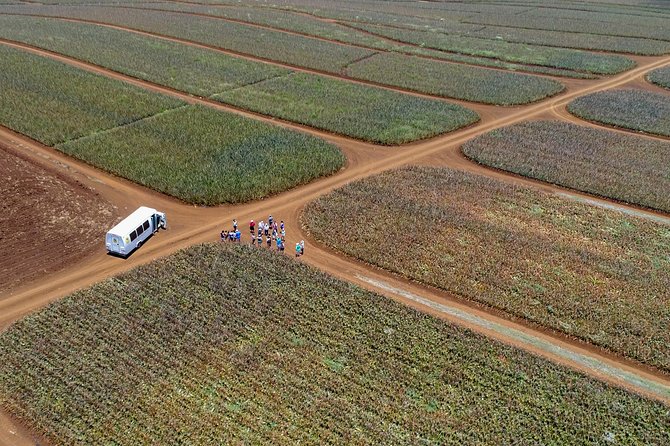
Maui Pineapple Farm Tour in Haliimaile
Walk a working pineapple farm in Haliimaile, taste Maui Gold at different ripeness stages, tour packing, then take home an airport-ready pineapple.
From $99 per person
Read the review → ★ 4.5Island classicMaui Snorkeling Adventure From Ma’alaea Harbor to MolokiniFrom $1851,997 reviews
 ★ 5.0Books out fastTurtle Town Snorkel with Photo and VideoFrom $1291,916 reviews
 ★ 5.0Ocean favouriteRoad to Hana Adventure Maui Tour with LunchFrom $2761,832 reviews
 ★ 4.5Worth the early start7-Line Maui Zipline on the North ShoreFrom $1551,648 reviews
 ★ 5.0Easy winLahaina ATV AdventureFrom $2021,582 reviews
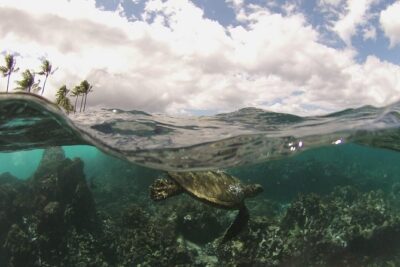 ★ 5.0Traveller favouriteMaui South Coast and Molokini Crater Adventure from KiheiFrom $2321,575 reviews
Take the road slowly.
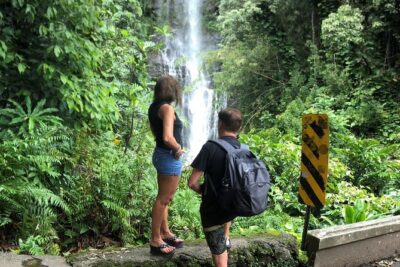
Waterfalls, rainbow eucalyptus and black sand arrive between hundreds of bends. A small group and an early pickup leave room to stop, swim and still enjoy the ride home.
Road, summit or open water?
Maui’s signature days ask for different starts, shoes and energy. Pick the landscape that calls to you, then choose among the reviewed options behind it.
 The road
Waterfalls and black sand
from $209 · 2,637 reviews
Choose this for a full day of rainforest, roadside stops and a guide who handles the bends. The reward is variety rather than one single landmark.
See the Hana days →
The road
Waterfalls and black sand
from $209 · 2,637 reviews
Choose this for a full day of rainforest, roadside stops and a guide who handles the bends. The reward is variety rather than one single landmark.
See the Hana days →
 The summit
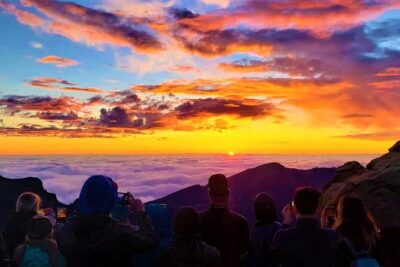
Sunrise above the clouds
10 hours (approx.) · from $254 · 2,155 reviews
Choose this if an early alarm feels like a fair trade for volcanic colour and wide island views. Warm layers matter as much as the pickup time.
See the Haleakala days →
The summit
Sunrise above the clouds
10 hours (approx.) · from $254 · 2,155 reviews
Choose this if an early alarm feels like a fair trade for volcanic colour and wide island views. Warm layers matter as much as the pickup time.
See the Haleakala days →
 The water
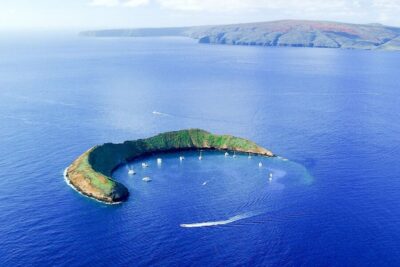
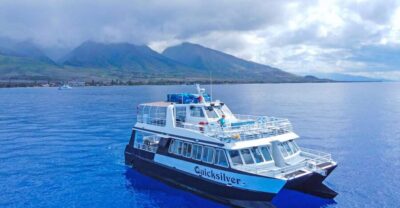
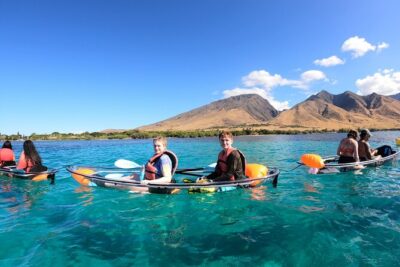
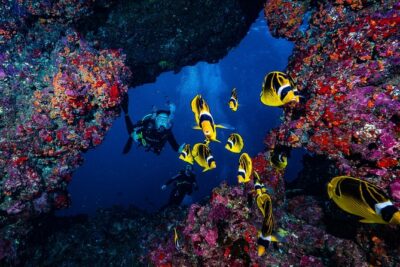
Clear water at Molokini
5 hours 30 minutes (approx.) · from $159 · 2,221 reviews
Choose this for a boat morning, reef time and a chance to pair the crater with Turtle Town. Smaller vessels feel livelier; larger boats carry more comforts.
See the Molokini sails →
The water
Clear water at Molokini
5 hours 30 minutes (approx.) · from $159 · 2,221 reviews
Choose this for a boat morning, reef time and a chance to pair the crater with Turtle Town. Smaller vessels feel livelier; larger boats carry more comforts.
See the Molokini sails →
Let the island keep the evening.
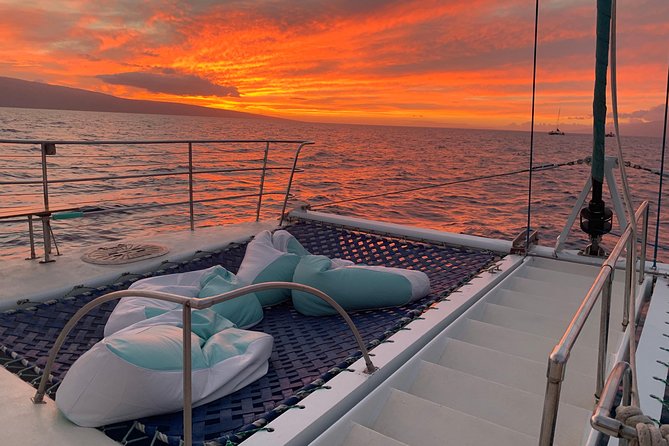
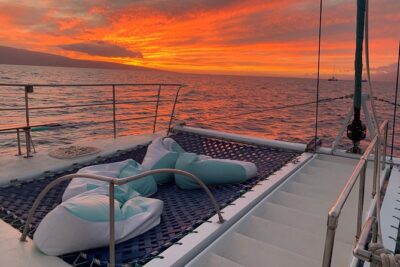
Trade the car for a sunset deck, an oceanfront dinner or a luau under the palms. These are the nights that feel distinctly Maui without demanding another full itinerary.
Taste what grows here.
Upcountry farms, local lunches and dining experiences turn a meal into a better sense of place. These picks add flavour without taking over the whole day.
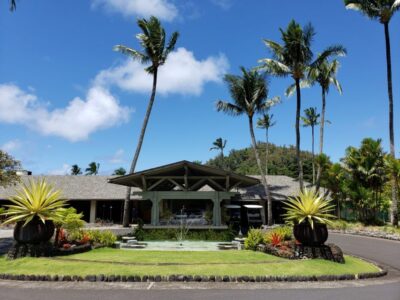

Rise above the coast.
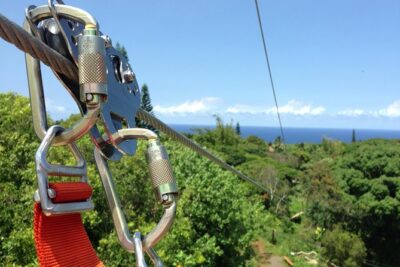
Helicopters, ziplines and downhill bike routes reveal the island from a faster perspective. Check the conditions, dress for the elevation and keep the camera ready.

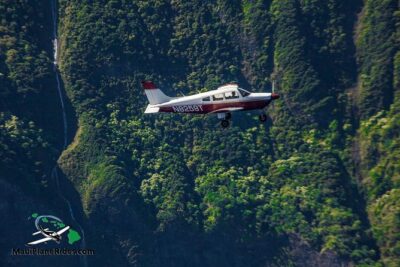
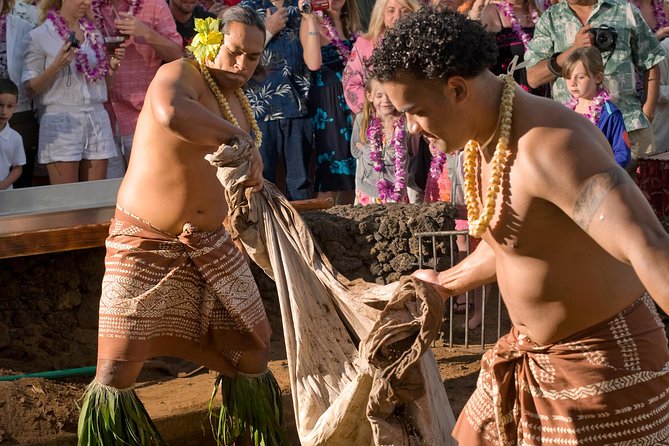
Maui makes more sense with context.
A luau, a farm visit and a history-led walk can connect the coast to the people who shaped it. Choose experiences that leave room for story, food and respectful questions.
Choose your coast, then choose the day.
Kaanapali and Lahaina open West Maui. Kihei, Wailea and Makena put reefs and beaches close by. Maalaea is the useful harbour between them.


Know what you’re after?
Twelve ways into the island, from reef mornings to rainforest roads. Pick your pace and every option behind it is already reviewed and priced.

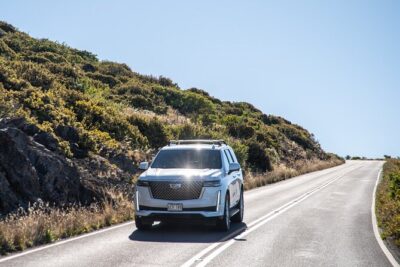
The neighbouring islands are closer than they look.
Lanai brings quiet coves and an open horizon. Molokai adds sea cliffs and a different rhythm. The right boat or flight makes either feel like a natural extension of Maui.

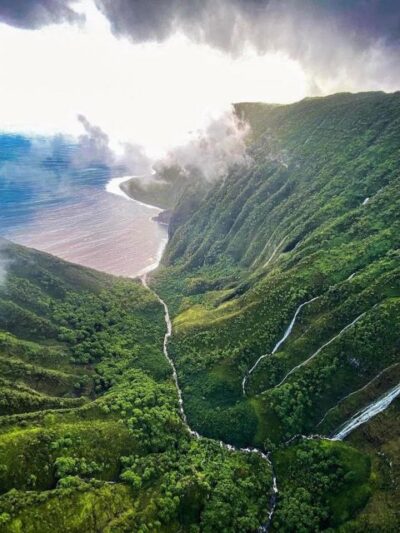
Three days, done right.
You cannot fit every coast into one visit, but three well-spaced days reveal Maui at its best. This sequence balances the road, the summit and the sea.
Day 1
Follow the road east
Start early for waterfalls, rainforest and black sand. Let someone else drive so the turns and stops remain part of the pleasure.
Plan the Hana day →
Day 2
Wake above the clouds
Watch Haleakala change colour, warm up over breakfast and keep the afternoon light. Upcountry farms are an easy addition on the way down.
Plan the summit →
Day 3
Take the morning offshore
Sail to Molokini while the water is calm, add Turtle Town if the route allows, then return with the afternoon still free.
Plan the crater sail →
The newest Maui reviews are in.
 ★ 4.0West Maui eBike Island Explorer Full-Day Rental3 reviews
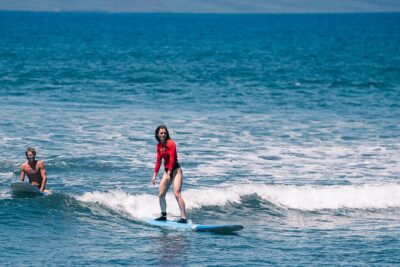 ★ 3.52-Hour Surf Lessons with a Pro3 reviews
 ★ 5.0Semi Private Surf Lesson 4 Students 1 InstructorFrom $1093 reviews
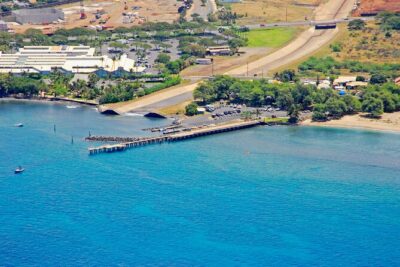 ★ 5.0Mala Wharf Lahaina Jet Scooter Snorkeling Small Group with GoProFrom $1493 reviews
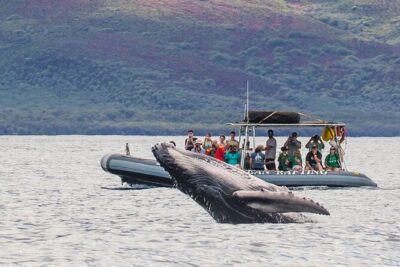
 ★ 3.5Midmorning Whale Watch from Lahaina HarborFrom $1003 reviews
 ★ 5.0Full Day Private Maui Waterfall, Beach & Hana TourFrom $8503 reviews
 ★ 5.0Private Guided Tours Beach Entry with Sea Scooters up to 5 guestsFrom $6503 reviews
 ★ 5.0Maui Professional Photographer Couples and FamiliesFrom $3973 reviews