Reviewed · MAUI SCUBA DIVING TOURS
2 Tank Lanai Cathedral Scuba Dive Via Boat for Certified Divers
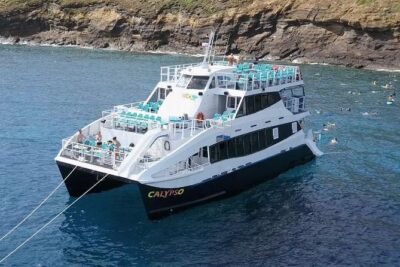
Lanai cathedrals feel close to magic. This small group two-tank scuba trip aims you at Lanai’s cathedral-style rock formations, with caverns, arches, lava shoots, and swim-throughs, plus a good chance of seeing whales and dolphins on the way out. I love that the team tries to choose a spot where you may be the only ones in the water, so the underwater time feels personal. One thing to weigh: it starts early, and conditions can affect which exact sites you hit and how smooth the boat ride feels.
At $306.89 per person for about six hours, you’re paying for more than tanks and gear. You get a boat crossing from Lahaina, rental equipment, guided instruction for two underwater sessions (often around 50 to 75 feet), and a light snack between them. The group size cap matters too, max 14 people, which usually means more hands-on help if you need it.
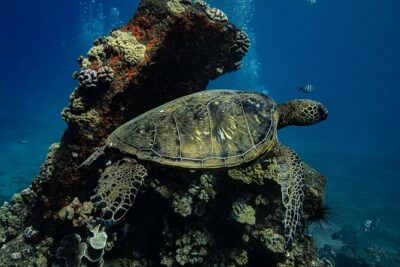
You’ll also get that rare mix of structure and wildlife. Your maximum depth can reach 85 feet (about 26 meters), but your real depth depends on air, buoyancy, and comfort. Based on past trips, you might spot morays, lobsters, cowries, octopus, cleaning crabs, and even a big puffer fish, while the boat keeps an eye out for dolphins and whales and may stop when sightings happen.
Key things I’d watch for on the Lanai Cathedrals two-tank trip

- 6:30 AM check-in at 1223 Front St, Lahaina means more active wildlife chances and more calm water time.
- Two tanks with a snack break between gives you two chances at the best underwater scenery.
- Cathedral-style formations are the main event with caverns, arches, lava shoots, and swim-throughs.
- Small group size, up to 14 participants helps the guides manage comfort and safety.
- Sites depend on conditions, and the captain chooses where you go based on weather and water.
- Whales and dolphins on the crossing are common enough that the crew often slows down or stops.
From Lahaina to Lanai, with wildlife stops built in

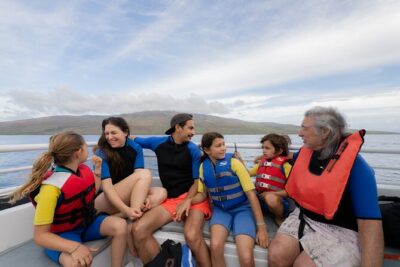
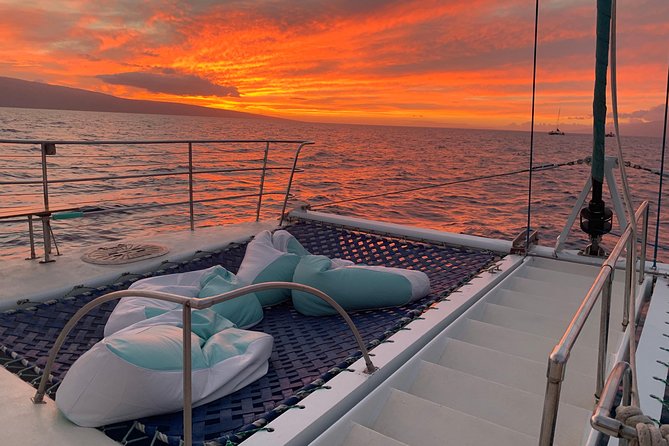
This trip is built around an early start. You meet at 6:30 AM at 1223 Front St in Lahaina, then you head out by boat toward Lanai. The timing is not random. Morning water often means more wildlife activity, and multiple reports of boat stops for whales and dolphins reflect that they really pay attention during the crossing.
From your perspective, this matters because it sets the mood fast. Even before you put on gear, you get Maui and Lanai views from the water, and you’re not stuck staring at the horizon waiting for “the real part.” People often get their first thrill simply watching pods move through the area.
One practical note: the captain decides where you dive, based on conditions. That’s not a bait-and-switch, it’s smart seamanship. The ocean is the ocean. If wind or swell is up, you might trade a bit of ideal visibility or route efficiency for safer, calmer water. Plan to stay flexible, and bring a little patience if you’re prone to seasickness.
You can also read our reviews of more boat tours in Maui
Gear check, rentals, and the comfort factor

You’ll check in at the shop, then get fitted for SCUBA equipment rental. Rental gear is included, along with water and a light snack. Past experiences also point to solid equipment condition, which is what you want when you’re heading to caves and arches where you spend time looking around.
Even with good rentals, how you feel in your gear changes everything. This is a two-tank day, so you’re not just popping in and out. You want your mask to seal well, your weights to feel balanced, and your buoyancy setup to be repeatable for tank two. If something feels off during the fitting, speak up right away. The best days happen when you get comfortable early.
Also, this is for certified participants only. You need Open Water certification or higher, and you need to have had a scuba check-in or similar experience within the last 18 months. That recent experience requirement is worth taking seriously. It helps ensure you can manage buoyancy and air use without the day turning into a stressful tech problem.
You should also know the basics on limits: minimum age is 14, pregnant persons are not accepted, and the physical level is listed as moderate fitness. Service animals are allowed.
What the two underwater sessions feel like, in real terms

The day runs about six hours total. After check-in and the crossing, you’ll arrive at your first underwater site and get a short briefing. Then it’s gear on, checks done, and you head into the water.
Each tank is set up for about 60 minutes, air permitting, typically reaching 50 to 75 feet. You may see a stated maximum depth up to 85 feet, but don’t treat that as your target. Your guide will manage everyone’s comfort and air, and your actual depth should reflect that.
After tank one, you take a surface interval, and that’s when you get snacks and possibly more food if it’s offered as an optional lunch. Then tank two starts, often with similar depth ranges, commonly 50 to 70 feet, again up to about an hour depending on air.
One thing that pops in people’s memories is that the second cathedral moment is usually the most emotional. Why? Because tank one often functions as a warm-up or technique refresher, so by the time you hit the cathedral structures you’re more relaxed and better able to enjoy the shapes and swim-through routes.
Lanai Cathedrals: caverns, arches, lava shoots, and swim-throughs

The big headline here is that Lanai’s cathedral formations are not just a pretty backdrop. They create routes. You swim through, around, and sometimes into the structure, and the whole environment rewards slow, steady movement.
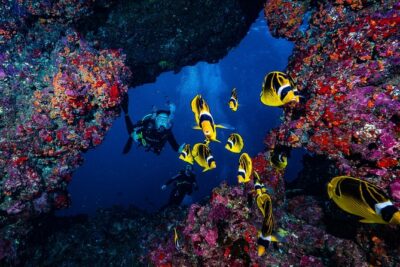
Expect the kind of scenery that makes you tilt your head without even realizing it: rock arches that frame open ocean light, caverns that feel like underwater rooms, lava shoots that look like natural channels, and swim-throughs that encourage you to follow lines through the rock. The point is variety in a single site. Instead of one view, you get multiple “wait, look at that” moments.
Depth and time help here too. At around 50 to 75 feet, you’re deep enough for crisp visibility on good days, and shallow enough for comfortable breathing and observation for most certified participants. One review mentioned visibility in the 50 to 80 feet range, which is the kind of clarity that turns arches into stained-glass frames.
You’ll also be looking for animals that like structure. Reports mention lobsters, octopus, cowries, cleaning crabs, and morays, plus plenty of regular reef fish. If you’re a creature-spotter, this format is a strong match because the cathedral environment gives you places where wildlife hides and then shows itself.
And about sharks: sightings aren’t guaranteed either way. If you’re expecting one, temper that expectation. What you should count on is the rock structure and the chance to see lots of other marine life.
The boat ride, small-group attention, and guide names worth remembering

A recurring theme in strong recommendations is guide quality, not just safety talk. You might hear names like Jess, Abby, Brian, Scott, Jack, Maya, Nick, CJ, Joe, and Sean/Shawn attached to excellent experiences. That matters because it hints at what the operation focuses on: careful briefings, calm coaching, and actively pointing out what’s worth your attention.
In a small group, the guide can adapt on the fly. If you’re new to open-ocean buoyancy, you get reminders before it becomes a problem. If you’re experienced, you’re not talked down to, you’re guided to the best features and then allowed to enjoy them. People specifically praised the feel of being managed without being overwhelmed.
Safety is also not treated like a checkbox. One experience described the crew as extremely attentive during rougher conditions. Another highlighted how they responded quickly to a gear issue during the day. Even on a trip focused on scenery, it helps to know your team is paying attention to the small stuff, like hoses and air management.
Wildlife on the water: dolphins and whales before you even go under

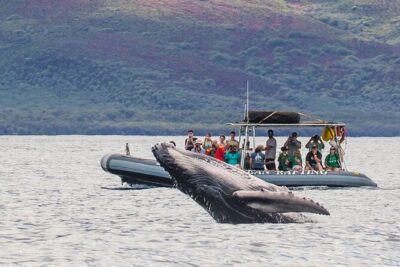
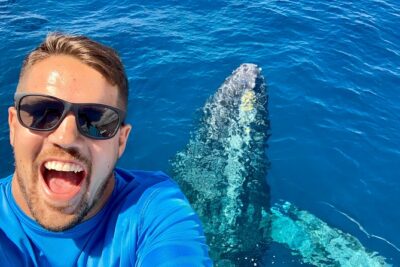
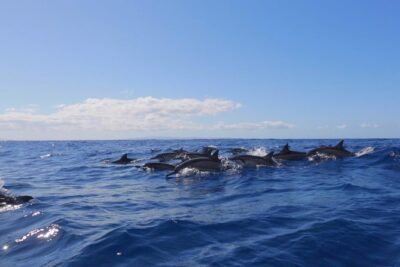
This is one of the most rewarding “two worlds” days on Maui. You might spot dolphins or whales while you’re still crossing to Lanai. The crew often stops the boat when animals show up, which is a big deal because it increases your viewing time and reduces the rushed feeling.
Why morning matters: it gives you more active marine mammal behavior, and it can mean better overall sea conditions. Multiple reviews also describe dolphins around the boat during the ride back. That’s not something you plan for, but it’s the kind of bonus that turns a good day into a memorable one.
Your best approach is to treat it as a wildlife day as well as a scuba day. Keep your eyes up during transitions, and don’t tune out while everyone else is getting gear. You never know what will surface, and this operation’s crew clearly watches for it.
Pricing and value: is $306.89 worth it?

At $306.89 per person, you’re not paying for a single aquarium-style stop. You’re paying for a full half-day at sea plus two underwater sessions with rental equipment, guidance, snacks, and water.
What makes it good value is the combination:
- Two tanks means more time with the sites, not just one short outing.
- Rental gear removes a big planning hassle if you don’t travel with equipment.
- Small group helps you feel supported, and that often translates into better comfort underwater.
- Lanai is less busy for boats compared to other areas, and the operation tries to find a site where you may be the only ones in the water. That can be the difference between feeling like a crowd and feeling like you have the place to yourself.
The tradeoff is that the captain’s site selection depends on conditions, and the ocean can be unpredictable. You might have less-than-perfect visibility if sand stirs up. One report mentioned visibility reduced due to sand kicked up, and another described strong current conditions where the guide was careful and direct. In those moments, you’re paying for an operation that can manage conditions, not just for a brochure photo.
If you want a “sure thing” every day with identical visibility and a perfect calm ocean, no ocean trip can promise that. But if you want a high chance at cathedral underwater scenery and solid wildlife odds, the price matches what you’re actually buying.
Who should book this Lanai Cathedral two-tank session?

This trip is a great fit if you:
- Are Open Water certified or higher
- Have done scuba within the last 18 months
- Want a structured, guided experience with two underwater sessions in one morning-to-early-afternoon block
- Like rock formations and swim-throughs, not just open-water viewing
It’s also a good choice for people who want small-group attention. Reviews repeatedly highlight that guides kept things organized and safety-forward, without making people feel foolish.
You should reconsider if you:
- Get seasick easily and haven’t handled open-ocean boat rides before
- Are looking for a relaxed, no-prep day, because the schedule is early and the underwater format requires active attention to buoyancy and air use
- Need a “no risk of changing locations” guarantee, since the captain chooses sites based on conditions
Should you book the 2-tank Lanai Cathedral session?
I think you should book this if your top priority is Lanai’s cathedral-style underwater structure plus two chances to enjoy it in one morning, with a good shot at whales and dolphins on the crossing. The small-group cap, the guided approach, and the way the crew appears to watch wildlife on the boat all line up with the kinds of trips that feel worth planning for.
Skip it if you only care about a shallow, easy, always-calm experience. This is still a real open-water scuba day, with depths around 50 to 75 feet and a stated max up to 85 feet, and ocean conditions can change the feel of the ride.
If you book, come ready to be flexible, bring snacks or lunch planning in mind for after (you’ll have a snack between tanks, but the total ride back is still a chunk of time), and trust the guide when they adjust for what the water is doing that day.
FAQ
What time does the experience start?
You meet at 6:30 AM for check-in and gear fitting.
How long is the trip?
Plan for about 6 hours total.
Do I need to be certified?
Yes. You must be Open Water certified or higher.
Do I need recent scuba experience?
Yes. You need to have dived within the previous 18 months to participate.
What depth should I expect?
The plan is up to about 85 feet (26 meters), and the typical session depths are around 50 to 75 feet for the first tank and 50 to 70 feet for the second tank, depending on conditions and air.
Is scuba gear included?
Yes. SCUBA equipment rental is included, and the trip also provides water and a light snack.
How many people are on the trip?
The experience has a maximum of 14 travelers.
Can I cancel for a refund?
You can cancel for a full refund up to 24 hours before the experience starts. If you cancel less than 24 hours before, you do not get a refund.
More Boat Tours & Cruises in Maui
More Tour Reviews in Maui
Not for you? Here's more nearby things to do in Maui we have reviewed
Maui Scuba Diving Tours, compared.
★ 5.0Beginner Scuba Dive in Lahaina: Swimming RequiredFrom $229219 reviews
★ 5.0Small-Group Shark and Turtle Dive for Certified DiversFrom $135219 reviews
★ 5.0Discover Scuba Diving Class from LahainaFrom $158185 reviews
★ 5.0Maui Scuba Diving Introductory Lesson from LahainaFrom $227179 reviews
★ 5.0VIP Aloha Nui Snorkel Adventure w/ optional SCUBA from LahainaFrom $235136 reviews
★ 5.0Maui Certified Shore Diving from LahainaFrom $199107 reviews
★ 5.0Guided Scuba Dive in Lahaina: CertifiedFrom $18967 reviews
★ 5.0Private and Personalized Scuba Diving Adventures for All Experience LevelsFrom $25062 reviews
Browse the lists this tour appears in