Whale Watching Maui: 2-Hour Small Group Raft Tour from Lahaina

Reviewed · MAUI WHALE WATCHING TOURS

Whale Watching Maui: 2-Hour Small Group Raft Tour from Lahaina

5.0 · 661 reviews 2 hours (approx.) From $80 Operated by Dive Maui · Bookable on Viator
Book on Viator →

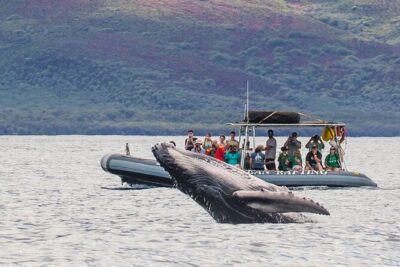
Rafting with whales is Maui winter magic. This 2-hour small-group whale watch from Lahaina aims right for the Maui Nui sanctuary, where humpbacks mate and birth in season, with hydrophone audio so you can hear whale song out on the water. I like that the vibe feels personal and the crew actively looks for the moments that make the whole trip click.

What I also like is the practical comfort: bottled or filtered water, rain ponchos on wet days, and sun help with reef-safe sunscreen. The biggest thing to keep in mind is that ocean weather can force a reschedule, and whales do their own thing. Still, the tour promises whales or you can take another trip free.

If you want a front-row view that is still relaxed, this is built for that. With a max of 20 people, you will likely feel less like a cattle call and more like you’re out with a focused team scanning the horizon.

Key highlights that matter on this whale raft

Whale Watching Maui: 2-Hour Small Group Raft Tour from Lahaina - Key highlights that matter on this whale raft

  • Guaranteed whale viewing, or another trip free so a slow day does not feel like a total loss
  • Front-row seating on a small inflatable raft with 360-degree-style ocean scanning
  • Hydrophone plus speakers so whale song is part of the experience, not just a rumor
  • Captains and marine naturalists with real whale focus, including people like Will, Joe, Renee, Brian, and others
  • Weather-dependent timing because the ocean is the boss, not the schedule
  • Waste-smart touches like filtered water and paper cups (plus reef-safe sunscreen)

Why Maui Nui is where humpbacks go in winter

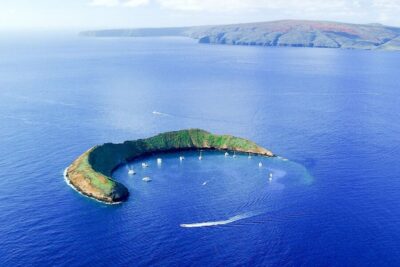
Humpback whales show up around Maui every winter to mate, birth calves, and keep the whole courtship drama running. The water area called the Maui Nui whale sanctuary is the target zone for this tour, which matters because it is where humpbacks are expected to be spending time.

The payoff of going in season is simple: your odds improve, and the stories you hear on the boat start making sense fast. You are not just spotting random “big animals,” you are learning what the behavior means, like the difference between a mother and calf moment versus escort males cruising around.

Also, this tour is timed for a short, high-focus outing. Two hours is enough to find active pods, enjoy the sound underwater, and still get back to Lahaina feeling like you did something special, not like you spent half your vacation stuck in transit.

More Maui tours, island days, and ocean experiences

Entering the raft: what a 2-hour whale watch feels like

This is a true on-the-water experience, built around the idea that you should be watching almost constantly. You board an inflatable raft with a design that aims to give every seat a good view, so you are not trapped behind someone’s camera arm.

Once you are out, the pattern tends to be what whale watchers dream about: the captain spots activity, the crew moves to position the raft for better viewing, and you switch from scanning to watching details. In the winter months, those details often include tail moves, water spray, breaching behavior, and the gentle moments that happen when calves stay close.

Two hours sounds short until you realize how whale spotting works. The horizon scanning, the moving into position, then the waiting for the next signal is like a cycle. Many people report that the time flies because you are always doing something, and when whales show, you can focus on them without rushing.

Practical comfort is part of the design too. Bottled water is included, and rain ponchos show up on rainy days, so you do not have to gamble your comfort on the forecast.

From Lahaina dock to open water: how the outing runs

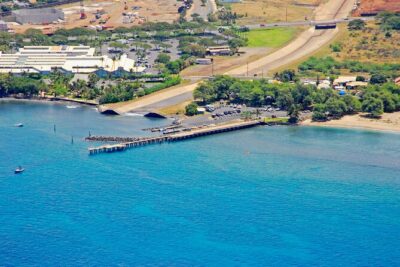
The meeting point is at 1223 Front St, Lahaina, HI 96761, listed with the operator at the Dive Maui / Hawaiian Rafting Adventures dock area. The tour ends back at the same meeting point, which is handy because it keeps logistics simple after you get back to town.

Here is what you should expect, step by step, without pretending it is a scripted TV show:

  • Check in at the Lahaina dock area and get ready for a short ride out to the Maui Nui sanctuary waters.
  • Ride out and start scanning. The crew uses the raft’s position to search for whales efficiently.
  • When whales are found, you slow down and watch closely. This is when you try to spot tails, breaches, and the calm patterns that mothers and calves show.
  • Use the hydrophone and speakers to listen for whale song while you watch. One highlight people love is that whale audio feels clearer than they expected because the gear is set up for this purpose.
  • Return after the tour time window and end right back at the dock.

One nice detail: the tour is built around small groups. When it is not crowded, you have more freedom to look around, and you are less stuck sharing one tiny viewing angle.

The crew’s whale-finding game plan, and what affects viewing distance

You are not just paying for a ride. You are paying for a team that knows humpback behavior and knows how to position a small vessel while staying within the rules.

Captains and marine naturalists like Will, Joe, Renee, and Brian show up in the standout feedback because they did two things well. First, they answered questions on the spot, like why escort males act the way they do and what you might be seeing when a mother and calf stay close. Second, they kept the group moving between active spots so the two hours stay eventful.

Now, the important reality check. Some people expect that a smaller boat automatically means dramatically closer views. But legal distance rules still apply. Even a smaller raft can maneuver better, yet the ocean and whale behavior decide proximity. One critical concern you should read through your own expectations: if you are paying specifically for the idea that it will be always closer than larger commercial boats, you might feel disappointed. The company’s position is that regulations govern how close any vessel can go, not vessel size.

So how do you set yourself up for success? Pick a mindset of “positioning matters, but whales decide the show.” If you do that, you can still come away thrilled by close-up mom and calf moments, playful calf behavior, and the classic humpback rhythm of surfacing, breathing, and moving on.

Small group comfort: why max 20 can change your day

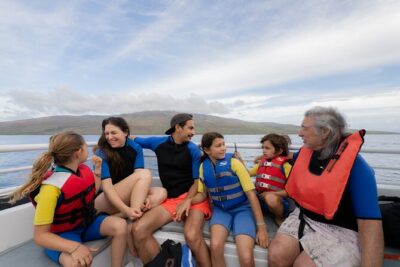
This tour caps at 20 travelers, and some trips can be even smaller. People have celebrated the feeling of not being crowded at the dock and on the water, with one group noting they had only eight people onboard at their outing.

That matters because whale watching is a visual sport. More bodies means more blocked views, more noise, and more time spent waiting for someone else to move. A small raft also makes the whole experience feel less like you are herded and more like you can actually watch for signs on all sides.

You also feel the difference in how the crew works with the group. With fewer people, scanning the horizon becomes less chaotic. When whales are active, the captain can shift the raft to keep the sightlines strong, and everyone gets a fair chance to see the action when it happens.

If you are traveling with family, couples, or anyone who wants a calmer kind of excursion, the small-group format is one of the best reasons to choose this. You can ask questions without feeling like you are talking over a crowd.

What is included, and how the little extras help

On paper, “included” looks like a list. On the ocean, it turns into comfort and fewer headaches.

Included highlights you should care about:

  • Hydrophone and speakers to listen to whale songs while you watch
  • Filtered water and paper cups to reduce plastic waste
  • Bottled water (also noted in the tour highlights)
  • Rain ponchos on rainy days
  • Reef safe sunscreen
  • Marine naturalist support, plus captain-led whale guidance
  • Service animals allowed

There is also a useful rule about drinks. Alcohol can be BYO, but no glass is allowed. If you plan to bring something, bring it in the right container type.

And one more practical point: the raft is small enough that you can feel the sea movement. That is part of the adventure for many people. If you are sensitive to motion, you might still want to plan for it, since “small raft” can mean “more noticeable sway.”

Weather reality and the free whale promise

This experience depends on good weather. When conditions are rough, the tour can be canceled or rescheduled, and people describe quick communication when weather forces a change. That is not a marketing promise, it is the ocean doing ocean things.

The good news is that you are not left hanging on a whale-less day. The tour includes a guarantee to see whales or you take another trip for free. That said, it is still wild animals. Some days humpbacks are active and close. Other days they are present but more subtle.

Here is how I would play it: if you have flexible time in Maui, book this earlier in your trip window. That way, if the ocean makes a fuss, you can accept a reschedule without scrambling your whole schedule.

Also, you can book ahead. This tour is typically booked about 26 days in advance, which suggests popular dates can fill up. If whales are a top priority for your Maui plan, lock it in.

Price and value: is $80.60 a fair deal?

At $80.60 per person, this is not a bargain-basement whale watch. You are paying for several upgrades: a small-group raft format, hydrophone audio, an onboard marine naturalist, and included comfort items like water, reef-safe sunscreen, and rain gear.

Where the value really shows is the guarantee. If you come back without whales, you are not supposed to eat that cost. That shifts the risk away from you and onto the operator’s ability to keep trying within safe and legal boundaries.

You should also weigh one caution. A smaller vessel can still end up at similar legal distances if the whales are not coming closer. If your expectation is strictly “small boat equals much closer than the cheaper tours,” then the higher price may feel harder to justify.

For most people, the better way to evaluate value is this: you are buying a focused experience with small-group comfort, strong whale education from a naturalist, and the chance to hear whale song through equipment designed for this exact moment. When whales perform, those extras can make the trip feel like the most memorable part of your Maui week.

Who should book, and who should skip or adjust expectations

This tour fits best if you:

  • Want a family-friendly outing that is still serious about seeing whales
  • Prefer smaller groups over large commercial tours
  • Like learning while you watch, not just taking photos from a distance
  • Care about sound as part of the experience, thanks to hydrophone audio

It may not fit you as well if:

  • You are expecting guaranteed breaching every time. Wild whales do not follow scripts.
  • You are paying primarily for distance being drastically closer, since legal rules still apply.

There are also clear eligibility limits. The tour notes no children under age 3 and no pregnant persons. Most other travelers can participate, and service animals are allowed.

If you meet the eligibility rules and you are okay with the reality that the ocean controls the outcome, this is a strong choice.

Quick practical tips before you go

Here are a few things that make the difference between okay and great on a raft whale watch:

  • Bring your camera early, but keep room for watching. The best moments are often quick and you will want clean eyes as much as clean zoom.
  • Expect changing conditions. Even if the air looks calm, the sea can be lively and spray happens.
  • Use the reef-safe sunscreen provided, but bring your preferred SPF if you have one.
  • Dress for water and wind, since you will be on the ocean for the full two hours. Rain ponchos are provided on rainy days, which helps a lot.
  • Plan flexibility in your schedule. Weather may trigger rescheduling, and Maui is worth letting one day be a whale day, not a strict agenda day.
  • If you bring alcohol, use non-glass containers. The tour rule is no glass.

And one more mental tip. When you are out there, focus on patterns like surfacing time and direction of travel. That is when “whale watching” becomes something you can actually read in real time.

Should you book this Lahaina whale raft tour?

My take: book it if you want a short, focused whale trip with small-group comfort, included water and sun help, and the chance to hear whale song via hydrophone. The strong rating and the fact that people single out crew members like Will, Joe, Renee, and Brian for steering the group effectively are meaningful signals.

I would not book it expecting a flawless, always-close viewing show. The ocean and whale behavior control the action, and legal distance rules still matter. Also, if you are not flexible about weather, you may find rescheduling frustrating.

If you fit the eligibility limits, you have at least a little schedule flexibility, and you want the best mix of viewing plus education, this is a smart Maui winter choice.

FAQ

How long is the whale watching tour from Lahaina?

The tour is about 2 hours.

Where does the tour start and end?

It starts at the meeting point at 1223 Front St, Lahaina, HI 96761, and it ends back at the same meeting point.

What is the price per person and what languages are offered?

The price is $80.60 per person, and the tour is offered in English.

Is the tour family-friendly, and are there age or pregnancy limits?

It is described as family-friendly, but there are limits: no children under age 3 and no pregnant persons.

What happens if weather is poor?

This experience requires good weather. If it is canceled due to poor weather, you will be offered a different date or a full refund.

What is included on the tour besides whale spotting?

Included items are hydrophone and speakers to listen to whale song, filtered water and paper cups, reef safe sunscreen, a marine naturalist, and rain ponchos on rainy days. Alcohol is BYO, but no glass is allowed.